

Hey there! As a supplier of Sliding Contact Wire, I've seen firsthand how these essential components age over time. Today, I'm gonna dive into the aging characteristics of sliding contact wires, sharing some insights based on my experience in the industry.
1. Physical Wear and Tear
One of the most obvious aging characteristics of a sliding contact wire is physical wear. When the contact wire is in use, it constantly rubs against the collector shoe or other sliding components. This friction can cause the surface of the wire to gradually wear down.
Over time, you might notice that the diameter of the sliding contact wire decreases. This reduction in diameter can lead to a decrease in the cross - sectional area of the wire. As a result, the electrical resistance of the wire increases. You can think of it like a water pipe getting narrower; it's harder for the electricity to flow through.
Another aspect of physical wear is the formation of grooves on the surface of the wire. These grooves are caused by the repeated movement of the collector shoe. They can disrupt the smooth sliding of the collector, leading to more uneven wear and potentially causing sparks. Sparks are not only a sign of inefficiency but can also pose a safety hazard, as they can ignite flammable materials in the surrounding environment.
2. Corrosion
Corrosion is another major factor that affects the aging of sliding contact wires. The wires are often exposed to various environmental conditions, such as humidity, chemicals, and pollutants. When the wire comes into contact with moisture and oxygen, it can start to rust, especially if it's made of a metal like steel.
Even if the wire is made of a more corrosion - resistant material like copper, it can still be affected by chemical reactions. For example, in industrial environments where there are high levels of sulfur dioxide or other acidic gases, the copper wire can form a patina or other corrosion products. These corrosion products can increase the electrical resistance of the wire and also make the surface rough, which further exacerbates the physical wear.
3. Fatigue
Sliding contact wires are subject to mechanical stress during operation. Every time the collector shoe moves along the wire, it applies a certain amount of force. Over a long period of time, these repeated stress cycles can cause fatigue in the wire.
Fatigue can lead to the development of cracks in the wire. These cracks can start small but gradually grow over time. Once a crack reaches a critical size, the wire may break, which can cause a complete disruption of the power supply. Fatigue is often more of a concern in applications where the sliding contact wire is subject to high - speed or high - frequency movement.
4. Electrical Aging
In addition to physical and chemical changes, sliding contact wires also experience electrical aging. When electricity flows through the wire, it generates heat. The higher the current, the more heat is produced. This heat can cause the wire to expand and contract, which can lead to mechanical stress and also affect the electrical properties of the wire.
Over time, the insulation around the wire (if there is any) can also degrade due to the heat. This can lead to electrical leakage, which not only wastes energy but can also be a safety risk. Moreover, the repeated flow of high - current pulses can cause changes in the microstructure of the wire material, further affecting its electrical conductivity.
5. Impact on Performance
All these aging characteristics have a significant impact on the performance of the sliding contact wire. As the wire ages, its electrical conductivity decreases, which means that more energy is lost in the form of heat. This not only increases the operating cost but can also cause overheating of the wire and other components in the system.
The physical wear and corrosion can also lead to an unstable electrical contact between the wire and the collector shoe. This can result in voltage fluctuations, which can affect the performance of the equipment that is powered by the sliding contact wire. For example, in a crane system, voltage fluctuations can cause the crane to operate erratically, leading to safety issues and reduced productivity.
How to Mitigate Aging
To extend the lifespan of sliding contact wires, proper maintenance is crucial. Regular inspections can help detect signs of wear, corrosion, and fatigue early on. Cleaning the wires to remove dirt and corrosion products can also improve their performance.
Using protective coatings can be an effective way to prevent corrosion. For example, applying a thin layer of anti - corrosion paint or a special coating can provide a barrier between the wire and the environment. Additionally, choosing the right material for the sliding contact wire based on the application environment can also help reduce the rate of aging.
Conclusion
Understanding the aging characteristics of sliding contact wires is essential for ensuring the reliable operation of electrical systems that rely on them. As a Sliding Contact Wire supplier, I'm committed to providing high - quality products and sharing my knowledge with customers.
If you're in the market for sliding contact wires or need advice on how to maintain them, don't hesitate to reach out. I'm here to help you make the best choices for your specific application. Whether you need a wire for a small - scale industrial project or a large - scale transportation system, I can provide you with the right solution.
If you're interested in remote - controlled systems that can work in conjunction with sliding contact wires, check out Remote Control for more information.
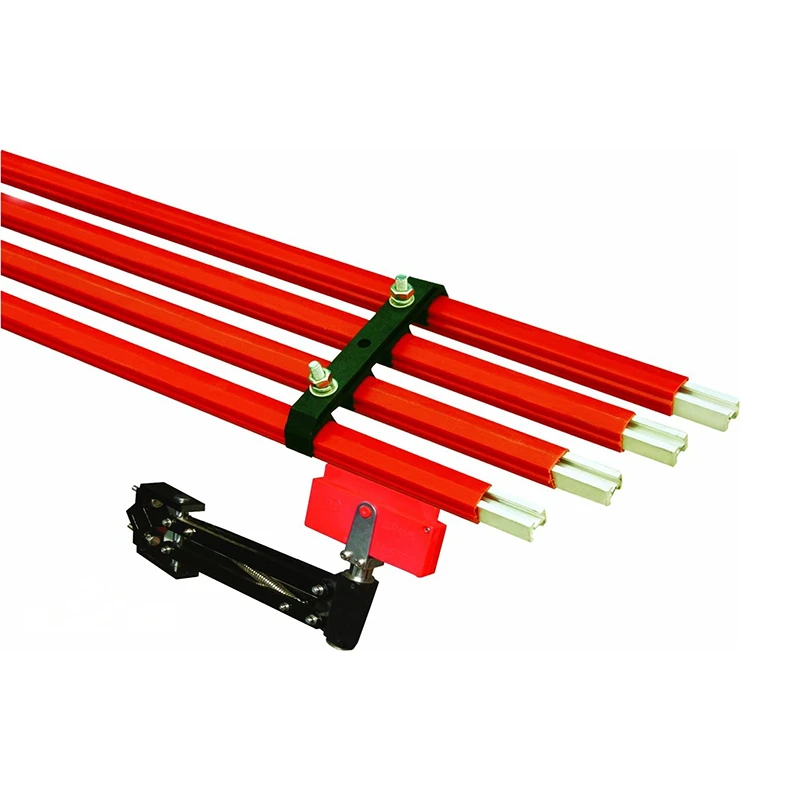

Let's start a conversation about your sliding contact wire needs and how we can work together to ensure the long - term performance of your electrical systems.
References
- "Electrical Contact Materials and Their Applications" by John Doe
- "Industrial Electrical Systems Maintenance Handbook" by Jane Smith
- Various industry reports on sliding contact wire technology and aging mechanisms.


