

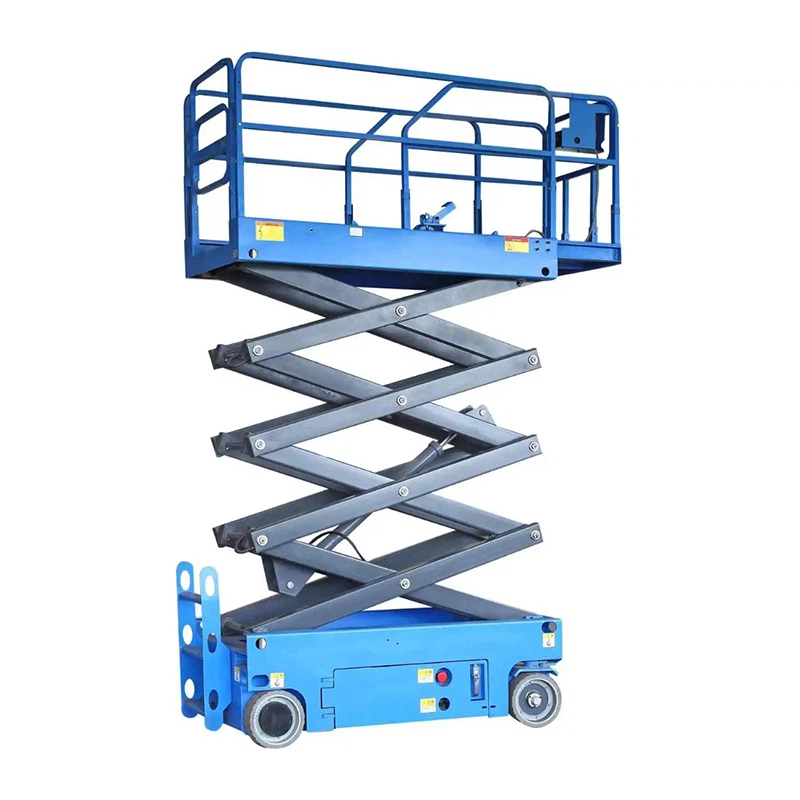
Hey there! I'm a supplier of Scissor Lifts, and I've seen firsthand how these machines can transform work at height. But let's be real, working with scissor lifts outdoors comes with its fair share of challenges. Safety should always be the top priority, so I'm here to share some key outdoor safety considerations for using scissor lifts.
Site Assessment
Before you even think about operating a scissor lift outdoors, you've got to do a thorough site assessment. The ground conditions are super important. Uneven or soft ground can cause the scissor lift to tip over. You need to check for things like potholes, slopes, and mud. If the ground is uneven, you might need to use outriggers or stabilizers to keep the lift stable.
Also, take a look at the weather. Strong winds, rain, or snow can make operating a scissor lift extremely dangerous. High winds can affect the lift's stability and make it difficult to control. If the wind speed exceeds the manufacturer's recommended limit, it's best to wait until the weather improves. Rain can make the platform slippery, increasing the risk of falls. And snow can cover hazards and make it hard to see where you're going.
Operator Training
Another crucial aspect of outdoor scissor lift safety is operator training. A well-trained operator is less likely to make mistakes that could lead to accidents. Operators should be familiar with the scissor lift's controls, safety features, and operating limits. They should also know how to perform pre - operation checks, like inspecting the hydraulic system, brakes, and tires.
Our Scissor Lift comes with detailed user manuals, but hands - on training is even better. We offer training programs to help operators understand the ins and outs of our scissor lifts. This training includes both classroom sessions and practical exercises on the job site.
Personal Protective Equipment (PPE)
PPE is a must when operating a scissor lift outdoors. Operators should wear a safety helmet to protect their heads from falling objects. Safety glasses are also important to shield their eyes from dust, debris, and UV rays. Non - slip footwear is essential to prevent slips and falls on the platform.
In addition, a full - body harness with a lanyard should be worn and properly attached to an approved anchor point on the scissor lift. This will prevent operators from falling off the platform in case of an accident or sudden movement.
Electrical Hazards
Outdoor work areas may have electrical hazards, such as overhead power lines. Before positioning the scissor lift, make sure to identify the location of all electrical sources. If the lift is too close to power lines, there is a risk of electrocution. You should maintain a safe distance from power lines as specified by the local electrical safety regulations.
Some scissor lifts are electrically powered. You need to ensure that the electrical components are in good condition and properly insulated. Check the power cords for any signs of damage, such as cuts or frays. If there are any issues, do not use the lift until the problem is fixed.
Traffic and Pedestrian Safety
If you're using a scissor lift in a busy outdoor area, traffic and pedestrian safety are key concerns. The lift can obstruct the path of vehicles and pedestrians, so it's important to set up proper warning signs and barriers. Clearly mark the work area to let everyone know that there is ongoing activity.
If the scissor lift needs to be moved around the site, operators should be extra cautious. They should use the proper signals and make sure that the path is clear. Avoid sudden stops or starts, as this can cause items on the platform to shift and potentially fall off.
Maintenance and Inspections
Regular maintenance and inspections are vital for the safe operation of scissor lifts. Before each use, operators should conduct a pre - operation inspection. This includes checking the overall condition of the lift, the functionality of the controls, and the level of hydraulic fluid.
Periodic maintenance should be carried out by a qualified technician. They will inspect and service components such as the hydraulic system, the drive system, and the safety devices. This helps to identify and fix any potential problems before they turn into serious safety issues.
Our company not only provides high - quality Scissor Lifts, but we also offer comprehensive maintenance services. We understand that a well - maintained scissor lift is a safe scissor lift.
Environmental Considerations
Outdoor environments can have unique challenges that affect scissor lift operation. For example, in a construction site, there may be a lot of dust and debris. This can clog the lift's mechanical and electrical components, affecting its performance. In such cases, it's important to keep the lift clean and protected.
If you're working near water bodies or in areas with high humidity, there is a risk of corrosion. Regular cleaning and application of protective coatings can help prevent this. Also, in extreme temperatures, the performance of the scissor lift's battery and hydraulic system may be affected. You may need to take extra precautions, such as insulating the battery in cold weather or using a cooling system in hot weather.
Other Equipment Compatibility
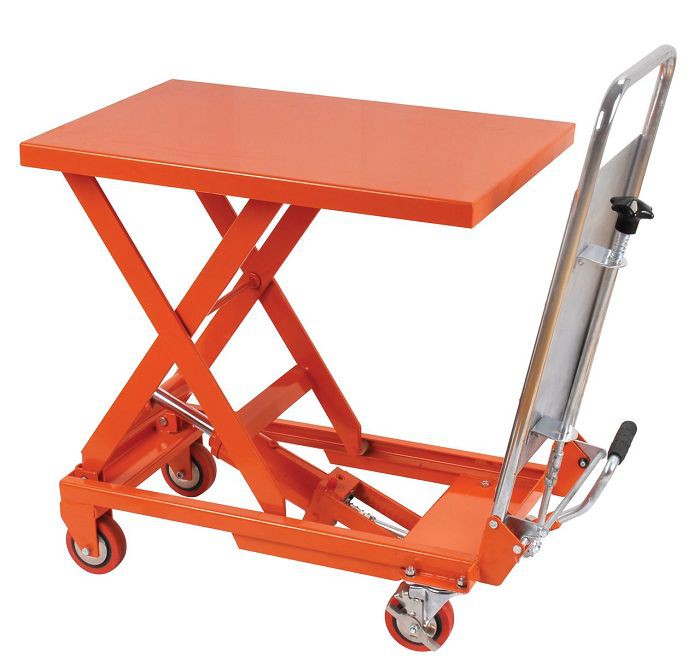
In many outdoor work scenarios, scissor lifts are used in conjunction with other equipment, such as Manual Hydraulic Platform Trucks and Freight Elevators. You need to ensure that these pieces of equipment are compatible and can work together safely.
For example, if you're using a manual hydraulic platform truck to load and unload materials onto the scissor lift, make sure that the platform of the truck can align with the scissor lift platform safely. There should be no gaps or misalignments that could cause items to fall.
Continuous Monitoring
Finally, continuous monitoring is essential during scissor lift operation. Supervisors should keep an eye on the operators and the working conditions. They can spot potential safety issues and take corrective action immediately.
If there are any changes in the work environment, such as a sudden gust of wind or the appearance of a new hazard, the operation should be stopped until the situation is assessed and made safe.
In conclusion, outdoor scissor lift safety is a multi - faceted issue. By conducting thorough site assessments, providing proper operator training, ensuring the use of PPE, and performing regular maintenance, you can significantly reduce the risk of accidents. As a Scissor Lift supplier, we're committed to helping our customers use our products safely and effectively.
If you're interested in purchasing a scissor lift or have any questions about outdoor safety, feel free to reach out. We're here to discuss your needs and help you make the right choice for your projects.
References
- Occupational Safety and Health Administration (OSHA) - Safety standards for aerial lifts
- Scissor lift manufacturer's user manuals and safety guidelines


