

Hey there! As a supplier of Electric Flat Cars, I often get asked about battery replacement. It's a crucial question, and the answer isn't as straightforward as you might think. In this blog, I'll break down the factors that influence how often you should replace the batteries of an Electric Flat Car.
Understanding Electric Flat Cars
First off, let's talk a bit about Electric Flat Cars. These bad boys are super handy for moving heavy loads around industrial sites, warehouses, and more. They're powered by batteries, which means they're quiet, emission - free, and relatively easy to operate. But like any battery - powered device, the batteries will eventually wear out.
Factors Affecting Battery Lifespan
Usage Frequency
One of the most significant factors is how often you use the Electric Flat Car. If you're running it non - stop throughout the day, the batteries are going to take a beating. Constant charging and discharging cycles put stress on the battery cells. For example, in a busy manufacturing plant where the flat car is used to transport materials between different production lines all day long, the batteries will degrade faster compared to a situation where it's only used a few hours a week in a small warehouse.
Load Capacity
The weight of the load you're carrying also matters. If you're constantly overloading the Electric Flat Car, the batteries have to work harder to move the extra weight. This increased workload leads to more rapid battery depletion. Say you're supposed to carry a maximum load of 5 tons, but you're regularly loading it with 7 tons. The batteries will not only drain faster during each use but also have a shorter overall lifespan.
Charging Habits
How you charge the batteries can make or break their lifespan. Overcharging is a big no - no. Leaving the batteries plugged in for too long after they're fully charged can cause overheating and damage the battery cells. On the other hand, undercharging, where you only partially charge the batteries regularly, can also reduce their capacity over time. It's best to follow the manufacturer's charging guidelines. Most modern Electric Flat Cars come with smart chargers that can help prevent overcharging, but it's still important to be aware of proper charging practices.
Environmental Conditions
The temperature and humidity where the Electric Flat Car is used and stored can have a huge impact on the batteries. Extreme temperatures, either too hot or too cold, can reduce the battery's performance and lifespan. In hot environments, the chemical reactions inside the battery speed up, which can lead to faster degradation. In cold temperatures, the battery's capacity decreases, and it may not be able to deliver as much power. High humidity can also cause corrosion on the battery terminals, which can affect the electrical connection and the battery's overall function.
General Guidelines for Battery Replacement
On average, the batteries of an Electric Flat Car might need to be replaced every 2 - 5 years. But this is a very rough estimate. If you're using the flat car under ideal conditions - moderate usage, proper charging, and a stable environment - you might get closer to the 5 - year mark. However, if you're pushing the limits with heavy loads, frequent use, and less - than - ideal charging habits, you could be looking at a replacement every 2 years or even sooner.
Let's take a look at some real - world scenarios. In a small e - commerce warehouse where the Electric Flat Car is used for a few hours a day to move packages from the storage area to the shipping area, and the batteries are charged properly overnight, the batteries could last around 4 - 5 years. But in a large automotive factory where the flat car is used continuously to transport heavy engine parts and operates in a hot environment, the batteries might need to be replaced every 2 - 3 years.
Signs That Your Batteries Need Replacement
Reduced Range
If you notice that the Electric Flat Car can't travel as far on a single charge as it used to, it's a clear sign that the batteries are losing their capacity. For example, if it used to be able to make 10 trips around the warehouse on a full charge, but now it can only manage 6 or 7, it's time to start thinking about a replacement.
Slow Charging
If the batteries are taking much longer to charge than they used to, it could indicate that the battery cells are deteriorating. A healthy battery should charge within a certain time frame, and if it's taking significantly longer, there's a problem.
Difficulty Starting
When the Electric Flat Car has trouble starting or is slow to respond when you turn it on, it might be due to weak batteries. This could be a sign that the battery voltage is too low to provide the necessary power to start the motor.
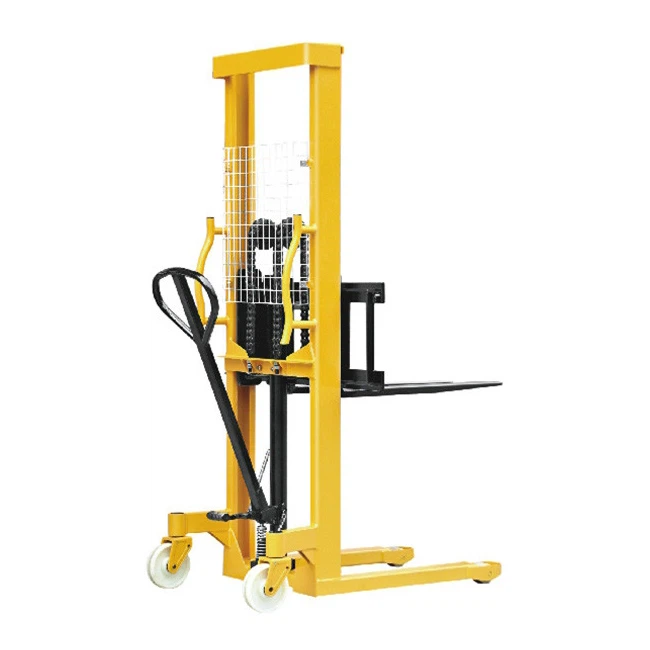

Other Related Equipment
While we're on the topic of material handling equipment, it's worth mentioning some other useful tools like Manual Hydraulic Pallet Trucks and Manual Stacker Trucks. These are great for lighter loads and more basic material handling tasks. They don't rely on batteries, so you don't have to worry about battery replacement. However, they do require manual operation, so they might not be suitable for large - scale or heavy - duty applications.
Conclusion and Call to Action
So, as you can see, there's no one - size - fits - all answer to how often you should replace the batteries of an Electric Flat Car. It depends on a variety of factors, but by being aware of these factors and taking good care of your batteries, you can extend their lifespan.
If you're in the market for an Electric Flat Car or need advice on battery maintenance and replacement, we're here to help. We've got a wide range of high - quality Electric Flat Cars and can provide you with all the information you need to make the right choice. Whether you're a small business owner or part of a large industrial operation, we can find the perfect solution for your material handling needs. Get in touch with us to start the conversation about your purchase and let's find the best equipment for you!
References
- Battery Technology Handbook for Industrial Vehicles
- Manufacturer's Manuals for Electric Flat Cars


