

Operating a scissor lift in windy conditions can be a tricky task, but with the right knowledge and precautions, it can be done safely. As a scissor lift supplier, I've seen firsthand the importance of understanding how wind affects these machines and how to operate them effectively when the weather isn't ideal. In this blog post, I'll share some tips and guidelines on how to operate a scissor lift in windy conditions.
Understanding the Risks
First things first, it's crucial to understand the risks associated with operating a scissor lift in windy conditions. Wind can affect the stability of the lift, increasing the chances of tipping over. The higher the lift is extended, the more vulnerable it becomes to wind forces. Additionally, strong winds can make it difficult to control the lift, leading to inaccurate positioning and potential collisions.
Before you even think about operating a scissor lift in windy conditions, you need to check the wind speed. Most scissor lift manufacturers provide guidelines on the maximum wind speed at which the lift can be safely operated. These guidelines are typically based on the lift's height, weight, and design. As a general rule, if the wind speed exceeds the manufacturer's recommended limit, it's best to avoid using the lift altogether.
Pre - operation Checks
Once you've determined that the wind speed is within the safe operating range, it's time to perform a thorough pre - operation check. This includes inspecting the lift for any visible damage, such as bent or cracked parts, loose bolts, or hydraulic leaks. Make sure all safety features, such as the guardrails, emergency stop buttons, and leveling sensors, are in working order.
Check the tires to ensure they are properly inflated and have good tread. In windy conditions, having stable tires is essential for maintaining the lift's balance. Also, inspect the outriggers (if applicable) to make sure they are fully extended and providing a solid base for the lift.
Setup and Positioning
When setting up the scissor lift in windy conditions, choose a flat and stable surface. Avoid areas with slopes, uneven ground, or soft soil, as these can further compromise the lift's stability. If possible, position the lift so that it is facing into the wind. This can help reduce the side - on wind forces acting on the lift.
Make sure the lift is fully leveled before extending it. Use the leveling sensors or a spirit level to ensure that the platform is horizontal. An unlevel lift is more likely to tip over, especially in windy conditions.
Operating the Lift
When operating the scissor lift in windy conditions, take it slow. Avoid making sudden movements, as these can cause the lift to sway and increase the risk of instability. Use the controls gently and smoothly to raise, lower, and move the lift.
If you need to move the lift horizontally, do so carefully. Strong winds can push the lift off course, so keep a close eye on the direction and make small adjustments as needed. If the wind is particularly strong, it may be necessary to have an additional person on the ground to help guide the lift.
As you extend the lift to higher heights, be extra cautious. The higher the lift goes, the more it is affected by the wind. Try to keep the platform as low as possible while still completing the task at hand. If the wind starts to become too strong while the lift is extended, lower it immediately to a safer height.
Safety Equipment
Always wear appropriate safety equipment when operating a scissor lift in windy conditions. This includes a hard hat, safety harness, and non - slip footwear. The safety harness should be properly attached to a secure anchor point on the lift's platform.

If the wind is strong enough to blow debris around, consider wearing safety goggles to protect your eyes. Also, make sure that any tools or materials on the lift's platform are securely fastened to prevent them from being blown off and causing injuries.
Monitoring the Weather
Throughout the operation, keep an eye on the weather conditions. Wind speeds can change quickly, especially in areas prone to sudden gusts. If you notice that the wind is picking up or becoming more unpredictable, stop the operation immediately and lower the lift to the ground.
Use a wind speed meter or check local weather reports regularly to stay informed about the wind conditions. If the wind speed exceeds the safe operating limit at any point, do not continue using the lift until the conditions improve.
Training and Certification
Operating a scissor lift in windy conditions requires specialized skills and knowledge. Make sure that all operators are properly trained and certified to use the equipment. Training should cover topics such as wind safety, pre - operation checks, and emergency procedures.
Regularly refresh the operators' training to ensure that they are up - to - date with the latest safety guidelines and best practices. A well - trained operator is more likely to recognize and respond to potential hazards in windy conditions.
Additional Equipment Considerations
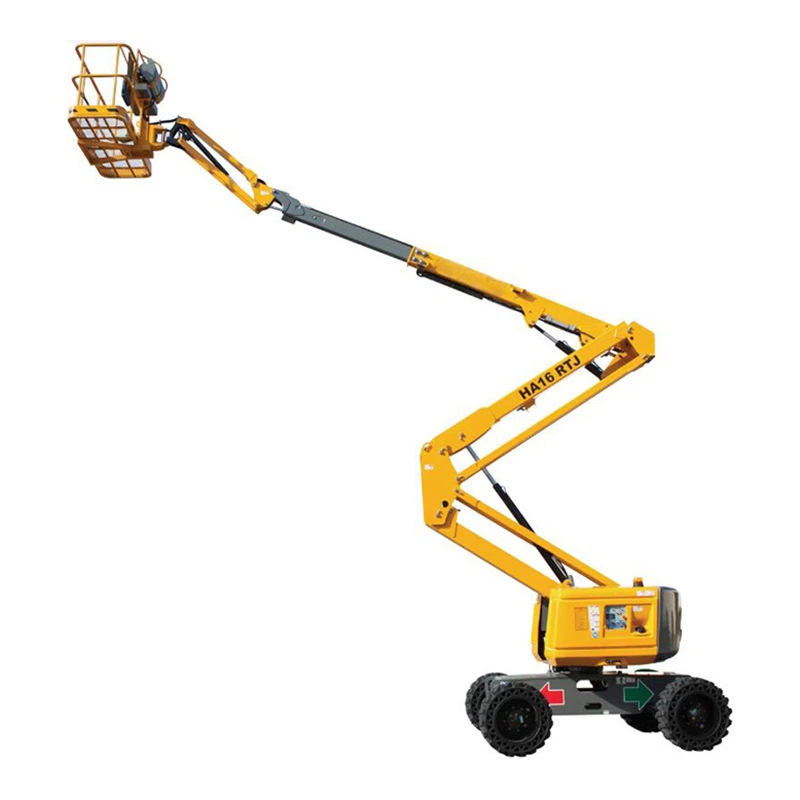
In addition to scissor lifts, we also offer other types of lifting equipment such as Manual Hydraulic Platform Truck, Freight Elevator, and Articulated Boom Lift. Each of these equipment types has its own set of safety considerations in windy conditions. For example, articulated boom lifts are more exposed to wind forces due to their extended reach, so extra caution is needed when operating them in windy weather.
Conclusion
Operating a scissor lift in windy conditions is a challenging but manageable task. By understanding the risks, performing pre - operation checks, following proper setup and operating procedures, and using appropriate safety equipment, you can minimize the chances of accidents and ensure a safe working environment.
If you're in the market for a scissor lift or other lifting equipment, we're here to help. Our team of experts can provide you with the right equipment for your needs and offer guidance on how to operate it safely in all conditions. Contact us to start a conversation about your procurement needs and let's work together to find the best solution for your business.
References
- Scissor lift manufacturer's operation manuals
- Occupational Safety and Health Administration (OSHA) guidelines on aerial lift safety
- Industry best practices for operating equipment in adverse weather conditions


