

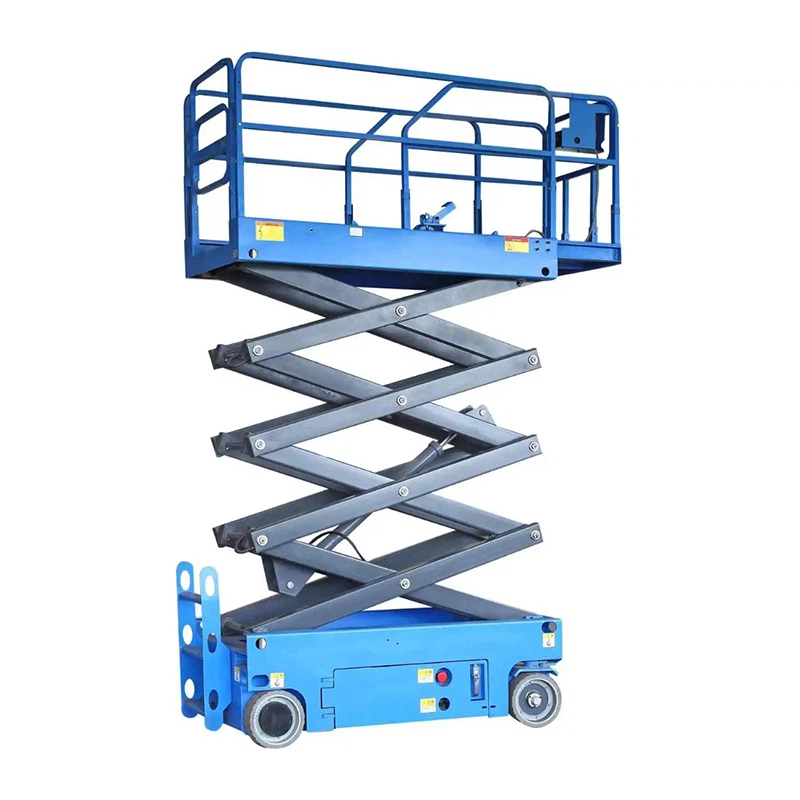
As a reputable scissor lift supplier, I understand the importance of being well - prepared to handle scissor lift malfunctions. Scissor lifts are widely used in various industries, such as construction, maintenance, and warehousing, to provide a stable and elevated working platform. However, like any mechanical equipment, they can experience malfunctions from time to time. In this blog, I will share some effective ways to respond to a scissor lift malfunction.
Immediate Safety Measures
The first and most crucial step when a scissor lift malfunctions is to ensure the safety of the operator and anyone in the vicinity. If the lift is in motion, the operator should immediately activate the emergency stop button if available. This will halt all movement of the lift and prevent further potential hazards.
All personnel on the lift should be instructed to stay calm and avoid making sudden movements. Sudden shifts in weight can cause the lift to become unstable, especially if it is already malfunctioning. The operator should also alert others in the area about the malfunction using a whistle, horn, or other appropriate signaling devices.
Isolate the Power Source
After ensuring the safety of everyone, the next step is to isolate the power source of the scissor lift. For electric scissor lifts, this means turning off the main power switch. For hydraulic scissor lifts, it may involve closing the hydraulic valves to prevent further fluid flow. Isolating the power source can prevent the malfunction from getting worse and reduce the risk of electrical or hydraulic accidents.
Assess the Malfunction
Once the power is isolated, a thorough assessment of the malfunction should be carried out. The operator or a trained technician should visually inspect the lift for any obvious signs of damage, such as broken parts, leaks, or loose connections. They should also check the control panel for error codes or warning lights, which can provide valuable information about the nature of the malfunction.
If possible, the technician should refer to the scissor lift's user manual. The manual contains detailed troubleshooting guides and diagrams that can help identify the root cause of the problem. It is important to note that only trained and qualified personnel should attempt to diagnose and repair the scissor lift.
Minor Malfunctions
Some scissor lift malfunctions can be minor and easily fixed. For example, if the lift is not moving due to a loose cable connection, the technician can simply reconnect the cable. If there is a minor hydraulic leak, it may be possible to tighten the hydraulic fittings to stop the leak.
However, even for minor malfunctions, it is important to follow the proper procedures. After making any repairs, the technician should test the lift in a safe environment to ensure that it is functioning properly. They should also document the repair for future reference.
Major Malfunctions
In the case of major malfunctions, such as a broken scissor mechanism or a faulty hydraulic pump, it is recommended to contact the manufacturer or a professional repair service. Attempting to repair major malfunctions without the proper skills and tools can be dangerous and may void the lift's warranty.
The manufacturer or repair service will have the expertise and resources to diagnose and repair the problem correctly. They can also provide replacement parts if necessary. While waiting for the repair service to arrive, it is important to secure the scissor lift to prevent any unauthorized use.
Preventive Maintenance
To reduce the likelihood of scissor lift malfunctions, regular preventive maintenance is essential. This includes daily inspections, lubrication of moving parts, and scheduled maintenance checks.
During daily inspections, the operator should check the lift for any visible signs of damage, such as cracks, dents, or leaks. They should also test the controls and safety features to ensure that they are working properly.
Lubrication of moving parts, such as the scissor arms and pivot points, can reduce friction and wear, extending the lifespan of the lift. Scheduled maintenance checks, which should be carried out by a qualified technician, can identify potential problems before they become major malfunctions.
Training and Education
Proper training and education for scissor lift operators are also crucial in responding to malfunctions. Operators should be trained on how to operate the lift safely, how to identify potential malfunctions, and how to respond in case of an emergency.
Training programs should include both theoretical and practical components. Theoretical training should cover topics such as the lift's operating principles, safety regulations, and troubleshooting procedures. Practical training should allow operators to practice operating the lift and responding to simulated malfunctions.
Related Equipment and Resources
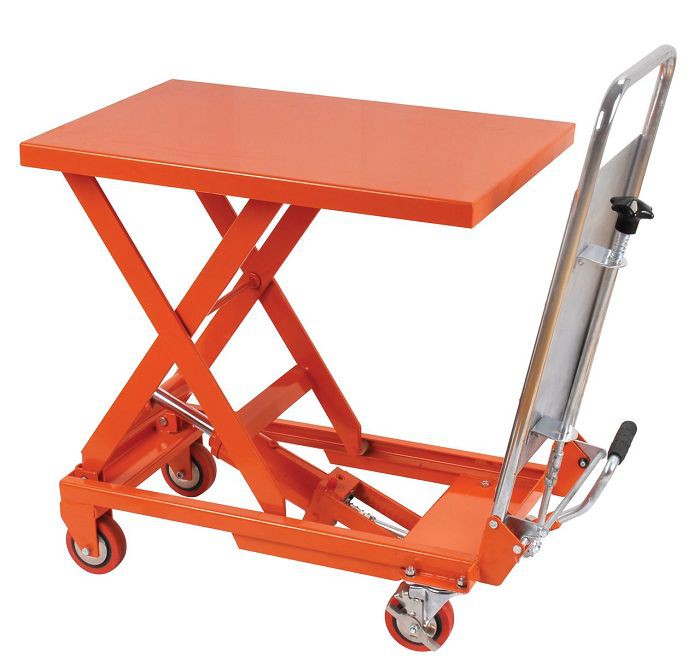
As a scissor lift supplier, we also offer a range of related equipment, such as Manual Hydraulic Platform Truck and Freight Elevator. These equipment can complement the use of scissor lifts in various applications.
If you are interested in learning more about our scissor lifts or other lifting equipment, you can visit our website at Scissor Lift. Our team of experts is always ready to assist you with any questions or concerns you may have.
Conclusion
Responding to a scissor lift malfunction requires a combination of immediate safety measures, proper assessment, and appropriate repair procedures. By following the steps outlined in this blog, you can ensure the safety of your operators and minimize the downtime caused by malfunctions.
If you are in the market for a scissor lift or need assistance with your existing lift, don't hesitate to contact us. We are committed to providing high - quality scissor lifts and excellent customer service. Whether you have questions about product specifications, pricing, or maintenance, our team is here to help you make the right decision for your business.
References
- Scissor Lift User Manuals
- Industry Safety Standards and Regulations
- Manufacturer's Technical Documentation


