

As a supplier in the lifting hook industry, I've witnessed firsthand the diverse needs and applications that require a deep understanding of different types of lifting hooks. Among the various classifications, single - point and multi - point lifting hooks stand out as two fundamental categories with distinct characteristics and uses. In this blog, I'll delve into the differences between these two types of lifting hooks, exploring their design, functionality, applications, and more.
Design and Structure
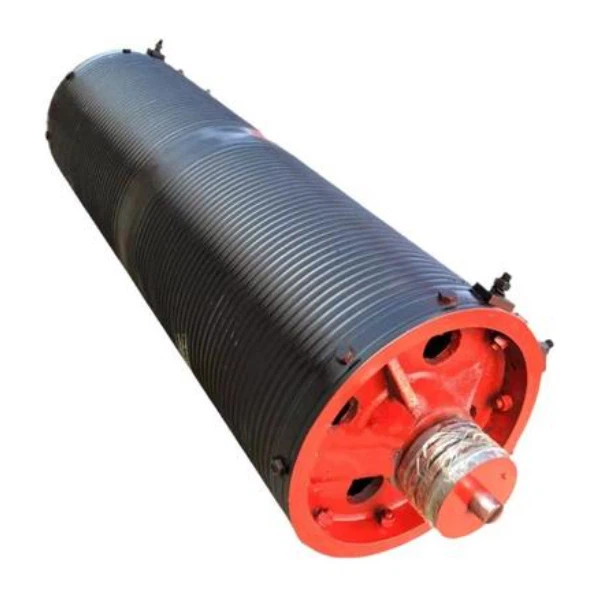
The most obvious difference between single - point and multi - point lifting hooks lies in their design and structure. A single - point lifting hook, as the name suggests, has only one attachment point. It typically consists of a simple hook shape with a single eye or connection point at the top for attaching to a Steel Wire Rope, Hoisting Drum, or other lifting devices. The hook is designed to lift a load from a single point, providing a straightforward and direct lifting solution.
On the other hand, multi - point lifting hooks have multiple attachment points. They can come in various configurations, such as two - point, three - point, or even more complex setups. These hooks are often designed with multiple arms or branches, each with its own hook or attachment point. This allows them to distribute the load across multiple points, providing better balance and stability during the lifting process.
Load Distribution
Load distribution is a crucial factor in lifting operations, as it directly affects the safety and efficiency of the lift. Single - point lifting hooks concentrate the load on a single point. This means that the entire weight of the load is transferred through the single attachment point, which can result in higher stress on the hook and the lifting equipment. As a result, single - point lifting hooks are generally suitable for lighter loads or loads that can be easily balanced from a single point.
Multi - point lifting hooks, however, distribute the load across multiple points. By spreading the weight of the load over several attachment points, the stress on each individual point is reduced. This makes multi - point lifting hooks more suitable for heavier loads or loads with an irregular shape. For example, when lifting a large and heavy machinery component with an uneven center of gravity, a multi - point lifting hook can help ensure that the load is lifted evenly and safely.
Stability and Balance
Stability and balance are essential for safe lifting operations. Single - point lifting hooks can be less stable compared to multi - point lifting hooks, especially when dealing with loads that have a high center of gravity or an irregular shape. Since the load is concentrated on a single point, there is a greater risk of the load swinging or tipping during the lifting process. This can pose a significant safety hazard to the operators and the surrounding environment.

Multi - point lifting hooks, on the other hand, provide better stability and balance. The multiple attachment points allow the hook to engage with the load at different locations, which helps to keep the load level and prevent it from swinging or tipping. This is particularly important when lifting large or bulky loads, as it reduces the risk of accidents and damage to the load.
Applications
The differences in design, load distribution, and stability between single - point and multi - point lifting hooks also lead to different applications. Single - point lifting hooks are commonly used in applications where the load is relatively light and can be easily balanced from a single point. Some examples include lifting small parts in a manufacturing workshop, hanging a light fixture, or lifting a small crate.
Multi - point lifting hooks, on the other hand, are used in more heavy - duty applications. They are commonly found in industries such as construction, mining, and shipping, where large and heavy loads need to be lifted safely and efficiently. For example, in a construction site, multi - point lifting hooks are used to lift pre - fabricated building components, such as beams and panels. In the mining industry, they are used to lift large pieces of mining equipment.
Flexibility
Single - point lifting hooks offer a high degree of flexibility in terms of their use. They are relatively simple and easy to attach to different types of lifting equipment. They can also be used in a variety of lifting positions, making them suitable for quick and easy lifting operations. For example, in a small workshop, a single - point lifting hook can be quickly attached to a hoist and used to lift different small parts as needed.
Multi - point lifting hooks, while more complex, also offer a certain degree of flexibility. They can be adjusted to fit different load sizes and shapes by changing the length or angle of the arms. However, the setup and adjustment of multi - point lifting hooks can be more time - consuming compared to single - point lifting hooks.
Cost
Cost is another factor to consider when choosing between single - point and multi - point lifting hooks. Single - point lifting hooks are generally less expensive than multi - point lifting hooks. This is because they have a simpler design and require fewer materials and manufacturing processes. For small - scale operations or applications where cost is a major concern, single - point lifting hooks can be a more economical choice.
Multi - point lifting hooks, due to their more complex design and construction, are typically more expensive. However, the investment in a multi - point lifting hook can be justified in applications where safety, stability, and the ability to lift heavy loads are of utmost importance.
Maintenance
Maintenance requirements also differ between single - point and multi - point lifting hooks. Single - point lifting hooks are relatively easy to maintain. They have fewer components, which means there are fewer parts that can wear out or break. Regular inspections for signs of wear, such as cracks or deformation, are usually sufficient to ensure their safe operation.
Multi - point lifting hooks, on the other hand, require more thorough maintenance. The multiple arms and attachment points need to be inspected regularly to ensure that they are in good condition. Additionally, the joints and connections between the arms may need to be lubricated and tightened periodically to prevent loosening and ensure smooth operation.
Conclusion
In conclusion, single - point and multi - point lifting hooks have distinct differences in design, load distribution, stability, applications, flexibility, cost, and maintenance. Understanding these differences is crucial for choosing the right lifting hook for your specific needs. Whether you are dealing with light loads in a small workshop or heavy - duty loads in an industrial setting, selecting the appropriate lifting hook can significantly enhance the safety and efficiency of your lifting operations.
If you are in the market for high - quality lifting hooks, whether single - point or multi - point, we are here to help. Our company offers a wide range of lifting hooks that are designed to meet the highest standards of quality and safety. We have the expertise and experience to assist you in choosing the right lifting hook for your specific application. Contact us today to start a procurement discussion and find the perfect lifting solution for your needs.
References
- "Lifting Equipment Handbook" by Frank J. Lamb
- "Safety Standards for Lifting Operations" by International Lifting Equipment Engineers Association


