

Hey there! As a supplier of manual tools, I'm stoked to share with you all about how to use a manual pipe cutter. Manual pipe cutters are super handy tools, whether you're a professional plumber or a DIY enthusiast looking to take on some home improvement projects.
What is a Manual Pipe Cutter?
First things first, let's talk about what a manual pipe cutter is. It's a simple yet effective tool designed to cut through pipes made of various materials like copper, PVC, and even thin-walled steel. It usually consists of a frame, a cutting wheel, and a set of rollers. The cutting wheel does the actual cutting, while the rollers support the pipe and help guide the cutter along its length.
Getting Ready to Use the Manual Pipe Cutter
Before you start cutting, you need to make sure you have everything you need. Here's a quick checklist:
- Manual Pipe Cutter: Obviously, you'll need a good-quality manual pipe cutter. At our store, we offer a wide range of pipe cutters suitable for different pipe sizes and materials.
- Measuring Tape: You'll need to measure the length of the pipe you want to cut accurately. This ensures that you get the right-sized piece for your project.
- Marker: Use a marker to mark the cutting point on the pipe. This helps you stay on track and make a precise cut.
- Safety Gear: Don't forget to wear safety glasses to protect your eyes from any flying debris. Gloves can also be a good idea to give you a better grip on the tool and protect your hands.
Step-by-Step Guide to Using a Manual Pipe Cutter
Now that you're all set up, let's dive into the step-by-step process of using a manual pipe cutter:
Step 1: Position the Pipe Cutter
Open the jaws of the pipe cutter wide enough to fit around the pipe. Place the pipe between the cutting wheel and the rollers, making sure the cutting wheel is aligned with the marked cutting point on the pipe.
Step 2: Tighten the Cutter
Once the pipe is in place, start turning the adjustment screw on the pipe cutter. This will gradually tighten the jaws of the cutter around the pipe. Keep turning the screw until the cutting wheel makes firm contact with the pipe.

Step 3: Make the First Cut
With the cutter tightened, start rotating the pipe cutter around the pipe. Apply gentle pressure as you turn the cutter. You'll feel the cutting wheel starting to bite into the pipe. Keep rotating the cutter in a smooth, continuous motion.
Step 4: Keep Tightening and Cutting
As you rotate the cutter around the pipe, the cutting wheel will gradually cut deeper into the pipe. Every few turns, stop and tighten the adjustment screw a little more. This ensures that the cutting wheel keeps making good contact with the pipe and continues to cut through it.
Step 5: Finish the Cut
Keep rotating the cutter and tightening the screw until the pipe is completely cut through. This may take a few minutes, depending on the thickness and material of the pipe. Once the pipe is cut, you can remove the pipe cutter from the pipe.
Tips and Tricks for Using a Manual Pipe Cutter
Here are some tips and tricks to help you get the most out of your manual pipe cutter:
- Use the Right Size Cutter: Make sure you choose a pipe cutter that's suitable for the size of the pipe you're cutting. Using the wrong size cutter can make the cutting process more difficult and may even damage the tool.
- Keep the Cutter Clean: After each use, clean the cutting wheel and the rollers of the pipe cutter to remove any debris or residue. This helps keep the tool in good working condition and ensures a clean cut every time.
- Lubricate the Cutting Wheel: If you're cutting through a particularly tough material, you can lubricate the cutting wheel with a little bit of oil. This helps reduce friction and makes the cutting process smoother.
- Take Your Time: Don't rush the cutting process. Making a slow, steady cut will give you a cleaner, more precise result. If you try to cut too quickly, you may end up with a jagged or uneven cut.
Other Manual Tools You Might Find Useful
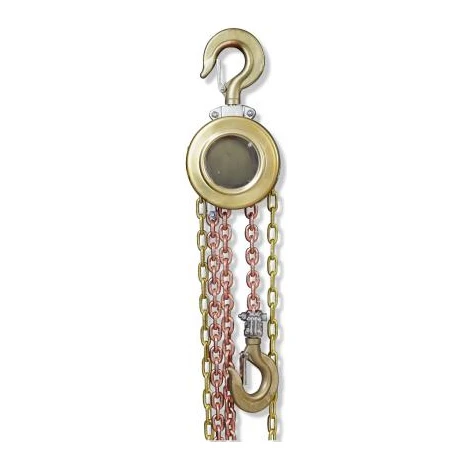
In addition to manual pipe cutters, we also offer a range of other manual tools that can come in handy for your plumbing and DIY projects. Check out our Hand Chain Hoist, Hand Lever Hoist, and Hand Winch. These tools are great for lifting and moving heavy objects, making your projects easier and more efficient.
Conclusion
Using a manual pipe cutter is a straightforward process that anyone can learn with a little practice. By following the steps outlined in this guide and keeping these tips in mind, you'll be able to make clean, precise cuts every time. If you have any questions or need more information about our manual tools, don't hesitate to reach out. We're here to help you find the right tools for your project and ensure your success. Whether you're a professional or a DIYer, our manual tools are designed to make your life easier. So, go ahead and give them a try!
References
- "Pipe Fitting Handbook" by David A. Nolte
- "Plumbing for Dummies" by Roy Barnhart


