

Troubleshooting a hand lever hoist is a crucial skill for anyone who uses or maintains these essential lifting devices. As a supplier of Hand Lever Hoist, I've encountered various issues with these hoists over the years. In this blog post, I'll share some common problems and provide step-by-step solutions to help you get your hand lever hoist back in working order.
Understanding the Hand Lever Hoist
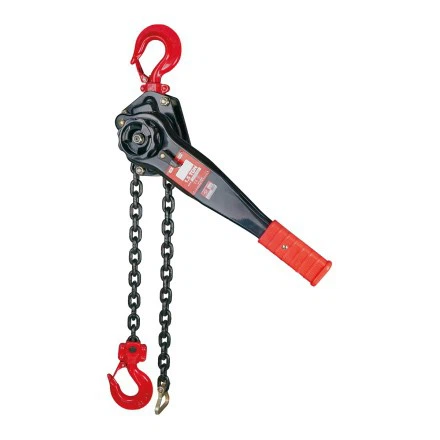
Before we dive into troubleshooting, it's important to have a basic understanding of how a hand lever hoist works. A hand lever hoist is a manual lifting device that uses a lever to operate a chain or wire rope to lift or lower heavy loads. It consists of several key components, including the lever, gears, chain or wire rope, and the load hook.
The lever is used to rotate the gears, which in turn move the chain or wire rope. The load hook is attached to the end of the chain or wire rope and is used to lift the load. Hand lever hoists are commonly used in industrial settings, construction sites, and for general maintenance and repair work.

Common Problems and Solutions
1. Hoist Won't Lift or Lower the Load
- Possible Causes
- Overloading: One of the most common reasons a hand lever hoist won't lift or lower a load is overloading. Each hoist has a maximum load capacity, and exceeding this limit can cause the hoist to malfunction.
- Damaged Chain or Wire Rope: A damaged chain or wire rope can prevent the hoist from lifting or lowering the load properly. This can be caused by wear and tear, corrosion, or physical damage.
- Jammed Gears: The gears in the hoist can become jammed due to dirt, debris, or lack of lubrication. This can prevent the lever from rotating smoothly and the hoist from functioning properly.
- Solutions
- Check the Load Capacity: Make sure the load you are trying to lift does not exceed the maximum load capacity of the hoist. If it does, you may need to use a hoist with a higher capacity.
- Inspect the Chain or Wire Rope: Check the chain or wire rope for any signs of damage, such as cracks, breaks, or excessive wear. If you find any damage, replace the chain or wire rope immediately.
- Clean and Lubricate the Gears: Remove any dirt or debris from the gears using a clean cloth or brush. Then, apply a suitable lubricant to the gears to ensure smooth operation.
2. Lever is Difficult to Operate
- Possible Causes
- Lack of Lubrication: As mentioned earlier, lack of lubrication can cause the gears to become stiff and difficult to operate.
- Misaligned Lever: The lever may be misaligned, which can make it difficult to rotate. This can be caused by improper installation or damage to the hoist.
- Worn or Damaged Components: Worn or damaged components, such as the bearings or pawls, can also make the lever difficult to operate.
- Solutions
- Lubricate the Moving Parts: Apply a lubricant to all the moving parts of the hoist, including the lever, gears, and bearings. This will help reduce friction and make the lever easier to operate.
- Check the Lever Alignment: Make sure the lever is properly aligned and not obstructed. If it is misaligned, adjust it according to the manufacturer's instructions.
- Replace Worn or Damaged Components: If you find any worn or damaged components, replace them with new ones. This will ensure the hoist operates smoothly and safely.
3. Hoist Makes Unusual Noises
- Possible Causes
- Loose Components: Loose components, such as bolts or nuts, can cause the hoist to make rattling or vibrating noises.
- Worn Gears: Worn gears can produce a grinding or clicking noise as they rotate. This can be caused by normal wear and tear or lack of lubrication.
- Damaged Bearings: Damaged bearings can also cause the hoist to make unusual noises. This can be due to excessive wear, overloading, or improper installation.
- Solutions
- Tighten Loose Components: Check all the bolts and nuts on the hoist and tighten them if necessary. This will help eliminate any rattling or vibrating noises.
- Inspect and Replace Worn Gears: If you suspect the gears are worn, inspect them for signs of damage. If they are worn beyond repair, replace them with new gears.
- Replace Damaged Bearings: If the bearings are damaged, replace them with new ones. Make sure to use the correct type and size of bearings for your hoist.
4. Load Hook is Damaged or Malfunctioning
- Possible Causes
- Overloading: Overloading the hoist can cause the load hook to bend or break.
- Physical Damage: The load hook can be damaged by physical impact, such as being dropped or hit by a heavy object.
- Wear and Tear: Over time, the load hook can wear out due to normal use. This can cause it to become loose or difficult to open and close.
- Solutions
- Replace the Load Hook: If the load hook is damaged or malfunctioning, replace it with a new one. Make sure to use a load hook that is compatible with your hoist and has the appropriate load capacity.
- Inspect the Hook Regularly: To prevent damage to the load hook, inspect it regularly for signs of wear and tear. If you notice any issues, replace the hook before it fails.
Preventive Maintenance Tips
- Regular Inspections: Perform regular inspections of your hand lever hoist to check for any signs of damage or wear. This will help you identify and address potential problems before they become serious.
- Proper Lubrication: Keep all the moving parts of the hoist properly lubricated to ensure smooth operation and prevent premature wear.
- Correct Usage: Always use the hoist within its specified load capacity and follow the manufacturer's instructions for proper operation.
- Store Properly: When not in use, store the hoist in a clean, dry place to prevent corrosion and damage.
Conclusion
Troubleshooting a hand lever hoist requires a basic understanding of its components and how they work. By following the tips and solutions outlined in this blog post, you can identify and fix common problems with your hoist and keep it in good working condition.
If you're in the market for a reliable hand lever hoist or need replacement parts, we're here to help. As a leading supplier of Hand Lever Hoist, we offer a wide range of high-quality hoists and accessories to meet your needs. We also provide Hand Winch and Hand Chain Hoist for different lifting applications.
If you have any questions or would like to discuss your specific requirements, please feel free to reach out to us. We look forward to assisting you with your lifting needs.
References
- Manufacturer's manuals for hand lever hoists
- Industry standards and guidelines for lifting equipment maintenance


