

As an electrical equipment supplier, I've witnessed firsthand the havoc that rodents can wreak on electrical systems. Rodents, such as mice and rats, are not only a nuisance but also pose a significant threat to the functionality and safety of electrical equipment. In this blog, I'll share some effective strategies to protect your electrical equipment from these pesky intruders.
Understanding the Threat
Rodents are attracted to electrical equipment for several reasons. Firstly, the warmth generated by electrical components provides a cozy shelter, especially during cold weather. Secondly, the insulation on wires and cables is often made of materials that rodents find appealing to chew on. Their sharp teeth can easily gnaw through the insulation, exposing the live wires. This not only disrupts the electrical flow but also increases the risk of short circuits, electrical fires, and equipment failure.
Prevention is Key
The best way to deal with rodent infestations is to prevent them from occurring in the first place. Here are some preventive measures that you can take:
Seal Entry Points
Rodents can squeeze through incredibly small openings. Inspect your facility regularly for any cracks, holes, or gaps in the walls, floors, and ceilings. Use caulk, steel wool, or wire mesh to seal these entry points. Pay special attention to areas around pipes, vents, and utility lines, as these are common entry routes for rodents.
Keep the Area Clean
Rodents are attracted to food sources and clutter. Keep your storage areas clean and free of debris. Store food in sealed containers and dispose of garbage regularly. Remove any piles of wood, cardboard, or other materials that could provide hiding places for rodents.
Install Rodent-Resistant Enclosures
When installing electrical equipment, consider using rodent-resistant enclosures. These enclosures are designed to prevent rodents from accessing the equipment and chewing on the wires. Look for enclosures made of sturdy materials with tight-fitting lids and seals.
Use Rodent Deterrents
There are several types of rodent deterrents available on the market. Ultrasonic devices emit high-frequency sounds that are unpleasant to rodents but inaudible to humans. These devices can be placed near electrical equipment to keep rodents away. You can also use natural deterrents, such as peppermint oil or mothballs, which rodents find unappealing.
Monitoring and Early Detection
Even with preventive measures in place, it's important to monitor your electrical equipment regularly for signs of rodent activity. Here are some signs to look out for:
Chew Marks
Inspect the wires, cables, and insulation for chew marks. Rodent teeth leave distinct marks that are easy to identify. If you notice any chew marks, it's a clear sign that rodents have been in the area.
Droppings
Rodent droppings are another telltale sign of an infestation. Look for small, pellet-shaped droppings near the electrical equipment or in the surrounding area. If you find droppings, it's important to clean them up immediately and take steps to eliminate the rodents.

Strange Noises
Rodents are nocturnal animals, so you may hear scratching or scurrying noises coming from the electrical equipment at night. If you hear any strange noises, it's a good idea to investigate further to determine if there are rodents present.
Dealing with an Infestation
If you discover a rodent infestation in your electrical equipment, it's important to take action quickly to prevent further damage. Here are some steps you can take:
Isolate the Equipment
If possible, isolate the affected electrical equipment to prevent the rodents from spreading to other areas. Turn off the power supply and unplug the equipment to avoid any electrical hazards.
Remove the Rodents
There are several methods you can use to remove rodents from your electrical equipment. Traps are a common and effective way to catch rodents. You can use snap traps, glue traps, or live traps, depending on your preference. Make sure to place the traps in areas where you've noticed rodent activity, such as near chew marks or droppings.
Clean and Disinfect
Once you've removed the rodents, it's important to clean and disinfect the affected area. Use a disinfectant spray or solution to clean the wires, cables, and equipment. This will help to prevent the spread of diseases and bacteria.
Repair the Damage
After cleaning and disinfecting the area, you'll need to repair any damage caused by the rodents. Replace any chewed wires or cables and repair any damaged insulation. Make sure to use high-quality replacement parts to ensure the safety and functionality of the equipment.
Choosing the Right Electrical Equipment
When purchasing electrical equipment, it's important to choose products that are designed to be rodent-resistant. Look for equipment that has been tested and certified to meet industry standards for rodent protection. Some manufacturers offer rodent-resistant features, such as sealed enclosures, chew-resistant insulation, and tamper-proof covers.
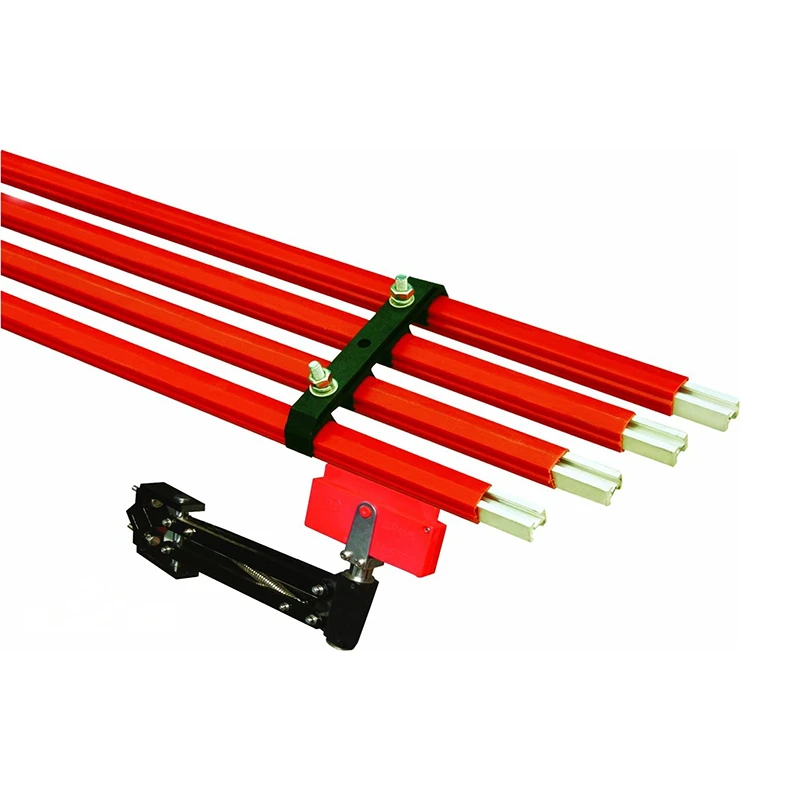
As an electrical equipment supplier, I offer a wide range of high-quality electrical products that are designed to be rodent-resistant. Our Sliding Contact Wire and Remote Control products are built to withstand the rigors of harsh environments and provide reliable performance.
Conclusion
Protecting your electrical equipment from rodents is essential for ensuring its safety and functionality. By taking preventive measures, monitoring for signs of rodent activity, and dealing with infestations promptly, you can minimize the risk of damage to your equipment and avoid costly repairs. If you have any questions or need assistance with rodent protection for your electrical equipment, please don't hesitate to contact us. We're here to help you find the right solutions for your needs.
References
- "Rodent Control in Electrical Equipment," National Fire Protection Association.
- "Preventing Rodent Damage to Electrical Systems," Electrical Safety Foundation International.
- "Rodent-Resistant Electrical Equipment: A Guide for Consumers," Consumer Product Safety Commission.


