

Are there any child - proof remote controls?
As a supplier of Remote Control, I've often been asked about the availability of child - proof remote controls. In today's technology - filled world, remote controls are everywhere, from televisions and DVD players to air conditioners and smart home devices. With small children around, parents are naturally concerned about their kids getting hold of these remotes and causing unwanted changes to settings or even damaging the devices.
The Need for Child - Proof Remote Controls
Children are naturally curious beings. They love to explore and interact with new objects, and a shiny, button - filled remote control is like a treasure trove of fun for them. However, this curiosity can lead to problems. For example, they might accidentally change the channel on the TV during an important program, or in the case of more complex smart home remotes, they could turn off security systems or change the temperature settings significantly.
Moreover, there is also a safety concern. Some remotes have small buttons that could potentially be a choking hazard if a child manages to pry them off. And if the remote uses batteries, there is a risk of the child opening the battery compartment and swallowing a battery, which can be extremely dangerous.

Existing Solutions in the Market
Currently, there are a few approaches to creating child - proof remote controls. One common method is the use of a lock function. Many modern remotes, especially those for high - end TVs and home theater systems, come with a parental lock feature. This allows parents to set a password or a PIN. Once the lock is activated, the remote cannot be used without entering the correct code. This effectively prevents children from making unauthorized changes to the device settings.
Another solution is the design of remotes with large, non - detachable buttons. By making the buttons bigger and more firmly attached to the remote body, the risk of a child choking on a small part is greatly reduced. Some remotes also have a soft, rubbery coating on the buttons, which makes them less appealing for children to chew on.
However, these solutions are not without their limitations. The lock function can be a hassle for parents, especially if they need to quickly access the device. And while large buttons reduce the choking hazard, they do not completely eliminate the possibility of a child causing unwanted changes to the settings.
Our Company's Approach
At our company, we understand the importance of child - proofing remote controls. We are constantly researching and developing new technologies to address these concerns. One of our innovative ideas is the use of proximity sensors. Our prototype remotes are equipped with sensors that can detect the presence of a child. When a child is detected within a certain range, the remote automatically locks itself, preventing any button presses from being registered.
We are also working on creating remotes with customizable button layouts. Parents can choose to disable certain buttons or rearrange them in a way that makes it difficult for children to operate the remote. For example, they can disable the volume up and down buttons on a TV remote, or the channel change buttons on a smart home device remote.
In addition to these features, we are committed to using high - quality, non - toxic materials in the production of our remotes. This ensures that even if a child accidentally puts the remote in their mouth, there is no risk of harmful chemicals being ingested.
The Role of Sliding Contact Wire in Remote Control Technology
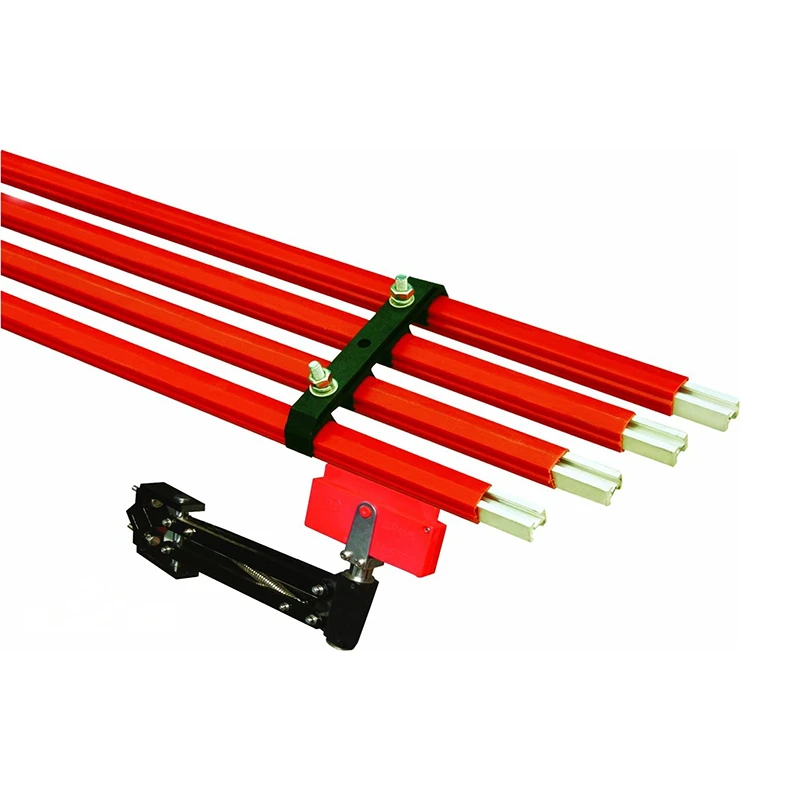
Sliding Contact Wire plays an important role in the functionality of remote controls. It is used to transmit electrical signals between the buttons on the remote and the internal circuit board. In our child - proof remote controls, we are using advanced sliding contact wire technology to ensure reliable and stable signal transmission.
By using high - quality sliding contact wire, we can reduce the chances of the remote malfunctioning, even if it is subjected to rough handling by a child. The wire is also designed to be more durable, with a longer lifespan, which means that the remote will continue to work properly for a longer period of time.
Market Demand and Future Prospects
The demand for child - proof remote controls is on the rise. As more and more families are adopting smart home devices and high - tech electronics, the need for a safe and child - friendly remote control solution is becoming increasingly important. Parents are willing to pay a premium for remotes that offer enhanced safety features.
In the future, we expect to see more advanced technologies being incorporated into child - proof remote controls. For example, we may see the use of biometric sensors to detect the user's identity. Only authorized users, such as parents, will be able to operate the remote. This would provide an even higher level of security and peace of mind for parents.
Conclusion
In conclusion, while there are currently some solutions available for child - proof remote controls, there is still room for improvement. At our company, we are dedicated to developing the best child - proof remote control products on the market. Our innovative features, combined with the use of high - quality materials and advanced technologies like sliding contact wire, make our remotes a reliable and safe choice for families.
If you are interested in our child - proof remote control products or would like to discuss potential business opportunities, please feel free to contact us for procurement and further negotiation. We look forward to working with you to provide the best remote control solutions for your needs.
References
- Consumer Electronics Association. (20XX). Trends in Remote Control Technology.
- Journal of Pediatric Safety. (20XX). Safety Concerns Related to Remote Controls in Households with Children.
- Smart Home Technology Research Institute. (20XX). Future of Remote Control Design for Smart Home Devices.


