

The speed of a scissor lift is a critical factor that significantly impacts its efficiency and usability in various industrial and construction applications. As a leading scissor lift supplier, we understand the importance of this parameter and strive to provide our customers with detailed information to make informed decisions.
Understanding Scissor Lift Speed
The speed of a scissor lift can be divided into two main aspects: vertical lifting speed and horizontal traveling speed (if the scissor lift is mobile).
Vertical lifting speed refers to how quickly the platform of the scissor lift can ascend or descend. This speed is typically measured in meters per minute (m/min) or feet per minute (ft/min). A faster vertical lifting speed means that workers can reach their working height more quickly, which can save a significant amount of time, especially in projects where multiple height adjustments are required.
Horizontal traveling speed, on the other hand, is relevant for self - propelled scissor lifts. It indicates how fast the lift can move across a flat surface. Similar to vertical lifting speed, it is also measured in m/min or ft/min. A higher horizontal traveling speed allows the scissor lift to be repositioned more rapidly on the job site, increasing overall productivity.
Factors Affecting Scissor Lift Speed
Several factors can influence the speed of a scissor lift:
- Hydraulic System: Most scissor lifts use hydraulic systems to power their lifting mechanism. The capacity and efficiency of the hydraulic pump play a crucial role in determining the vertical lifting speed. A high - capacity hydraulic pump can supply more hydraulic fluid to the cylinders in a shorter time, resulting in a faster lifting speed. For example, a scissor lift with a powerful hydraulic pump may be able to lift its platform at a speed of 0.3 - 0.5 m/min, while a less powerful one might only achieve 0.1 - 0.2 m/min.
- Load Capacity: The weight of the load on the scissor lift platform has a direct impact on its speed. As the load increases, the hydraulic system has to work harder to lift the platform. This often leads to a decrease in the vertical lifting speed. For instance, a scissor lift may have a maximum lifting speed of 0.4 m/min when carrying a light load, but this speed could drop to 0.2 m/min when fully loaded.
- Design and Structure: The design of the scissor lift, including the number of scissor arms and the quality of the mechanical components, can also affect its speed. A well - designed scissor lift with fewer mechanical frictions and a more efficient scissor structure can operate at a faster speed. For example, a scissor lift with a single - stage scissor design may have a different speed characteristic compared to a multi - stage scissor lift.
- Power Source: Scissor lifts can be powered by different sources, such as electricity, diesel, or gasoline. Electric scissor lifts are generally quieter and more environmentally friendly, but their speed may be limited by the battery capacity and the efficiency of the electric motor. Diesel - powered scissor lifts, on the other hand, often have more power and can achieve higher speeds, especially in outdoor applications.
Importance of Appropriate Speed
Choosing a scissor lift with the appropriate speed is essential for different applications:
- Construction Sites: In construction projects, time is of the essence. A scissor lift with a fast vertical lifting speed can help workers quickly reach different floors or levels of a building, reducing the overall construction time. For example, in a high - rise building construction, workers may need to move up and down multiple times a day. A scissor lift with a speed of 0.5 m/min can save a considerable amount of time compared to a slower - moving one.
- Warehousing and Logistics: In warehouses, scissor lifts are often used for inventory management and order picking. A scissor lift with a suitable horizontal traveling speed can move quickly between different storage areas, improving the efficiency of the warehousing operations. For instance, a self - propelled scissor lift with a horizontal traveling speed of 3 - 5 m/min can quickly transport goods from one part of the warehouse to another.
- Maintenance and Repair: When performing maintenance or repair work on large structures, such as bridges or industrial equipment, a scissor lift with the right speed can ensure that technicians can reach the work area promptly and safely. A fast - moving scissor lift can also reduce the downtime of the equipment being repaired.
Our Scissor Lift Offerings
As a scissor lift supplier, we offer a wide range of scissor lifts with different speed capabilities to meet the diverse needs of our customers. Our scissor lifts are designed with high - quality hydraulic systems and advanced mechanical components to ensure optimal speed and performance.
For customers who require a scissor lift for indoor applications, our electric scissor lifts are a great choice. They offer a smooth and quiet operation, with a vertical lifting speed that can be adjusted according to the load. These lifts are suitable for tasks such as ceiling maintenance in commercial buildings or inventory management in warehouses.
If you need a scissor lift for outdoor construction projects, our diesel - powered scissor lifts are more powerful and can achieve higher speeds. They are designed to withstand harsh working conditions and can quickly move around the job site.
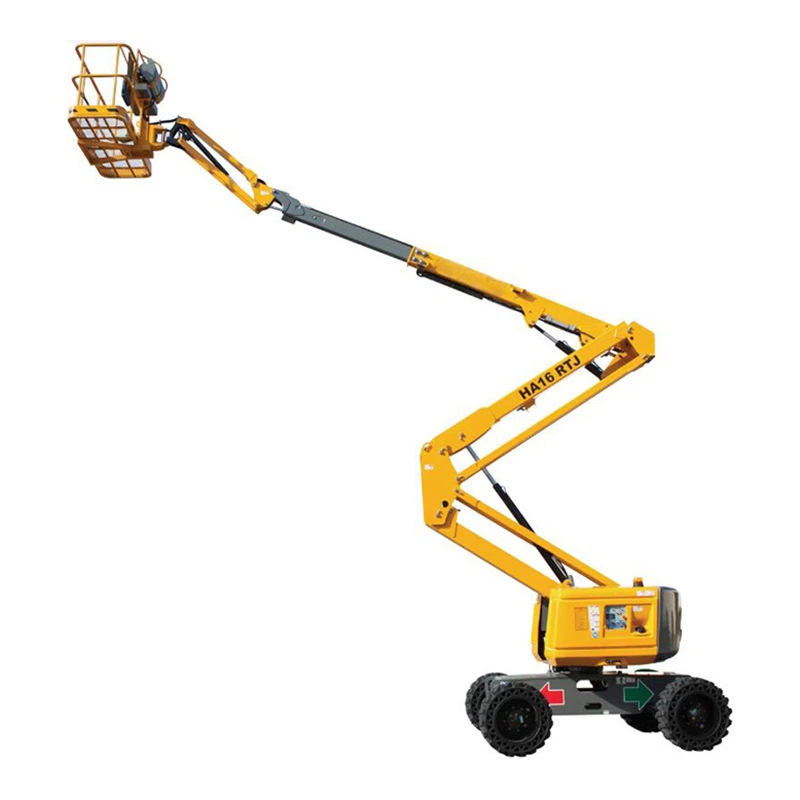
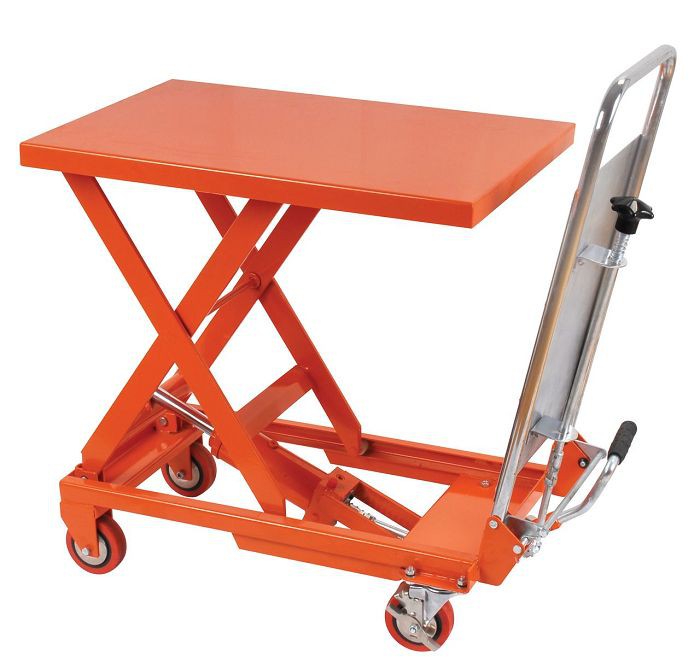
In addition to scissor lifts, we also supply other types of lifting and handling equipment, such as Manual Hydraulic Platform Truck, Freight Elevator, and Articulated Boom Lift. These products can complement your scissor lift usage and provide a comprehensive solution for your lifting needs.
Contact Us for Procurement
If you are interested in our scissor lifts or other lifting equipment, we encourage you to contact us for procurement. Our team of experts can provide you with detailed product information, including speed specifications, load capacities, and pricing. We can also offer customized solutions based on your specific requirements. Whether you are a small - scale contractor or a large - scale industrial enterprise, we have the right scissor lift for you.
References
- "Lifting Equipment Handbook" by John Ridley
- Industry standards and guidelines for scissor lifts published by relevant organizations.


