

What is the maximum load distribution on an Electric Flat Car?
As a supplier of Electric Flat Cars, I often encounter inquiries from customers regarding the maximum load distribution on these vehicles. Understanding this aspect is crucial for ensuring the safe and efficient operation of the Electric Flat Car, as well as for optimizing its performance in various industrial applications.
Understanding the Basics of Electric Flat Cars
Electric Flat Cars are essential pieces of equipment in many industries, including manufacturing, warehousing, and logistics. They are designed to transport heavy loads across flat surfaces, providing a convenient and cost - effective solution for material handling. These cars are powered by electricity, which offers several advantages over traditional fuel - powered vehicles, such as lower emissions, reduced noise levels, and lower operating costs.
The structure of an Electric Flat Car typically consists of a flat platform supported by wheels or tracks. The platform is where the load is placed, and its design and construction play a significant role in determining the maximum load capacity and distribution.
Factors Affecting Maximum Load Distribution
- Structural Design: The design of the Electric Flat Car's frame and platform is the primary factor influencing load distribution. A well - designed frame can evenly distribute the weight of the load across the wheels or tracks, reducing stress on individual components. For example, a reinforced steel frame with a proper cross - bracing system can better handle heavy loads compared to a simple, lightweight frame.
- Wheel Configuration: The number, size, and arrangement of wheels also impact load distribution. More wheels can spread the load over a larger area, reducing the pressure on each wheel. For instance, a flat car with eight wheels will generally have a more even load distribution than one with four wheels, especially when carrying heavy and bulky loads.
- Load Characteristics: The shape, size, and weight distribution of the load itself are crucial. Irregularly shaped loads or those with uneven weight distribution can cause stress concentrations on the flat car. For example, a load with most of its weight concentrated at one end will put more pressure on the wheels at that end, potentially leading to premature wear and tear or even structural failure.
Calculating Maximum Load Distribution
To determine the maximum load distribution on an Electric Flat Car, several calculations need to be performed. First, the total weight of the load must be known. Then, the center of gravity of the load needs to be identified. The center of gravity is the point where the entire weight of the load can be considered to act.
Once the center of gravity is determined, the load can be divided into smaller, more manageable sections. Each section's weight is then distributed to the nearest wheels or support points based on the distance from the center of gravity. For example, if a load is placed on a flat car with four wheels, and the center of gravity is closer to the front wheels, a larger proportion of the load's weight will be borne by the front wheels.

It is also important to consider the dynamic forces acting on the flat car during operation. Acceleration, deceleration, and turning can all affect the load distribution. For example, when the flat car accelerates, the load tends to shift backward, increasing the pressure on the rear wheels.
Importance of Proper Load Distribution
Proper load distribution is essential for several reasons. Firstly, it ensures the safety of the operators and the equipment. Uneven load distribution can cause the flat car to tip over, especially when turning or moving on an inclined surface. Secondly, it extends the lifespan of the flat car. By evenly distributing the load, the stress on individual components such as wheels, axles, and the frame is reduced, minimizing wear and tear and reducing the need for frequent maintenance.
Thirdly, proper load distribution improves the efficiency of the flat car. A flat car with an evenly distributed load can move more smoothly and with less energy consumption, resulting in lower operating costs.
Applications and Considerations in Different Industries
In the manufacturing industry, Electric Flat Cars are often used to transport heavy machinery parts. When loading these parts, it is important to ensure that the load is centered and evenly distributed. For example, when transporting a large engine block, the block should be placed in the middle of the flat car platform to avoid uneven stress on the wheels.
In the warehousing and logistics industry, flat cars are used to move pallets of goods. Pallets should be stacked in a way that the weight is evenly distributed across the flat car. If multiple pallets are being transported, they should be arranged in a balanced manner. For instance, using a Manual Hydraulic Pallet Truck to load pallets onto the flat car can help ensure proper placement and load distribution.
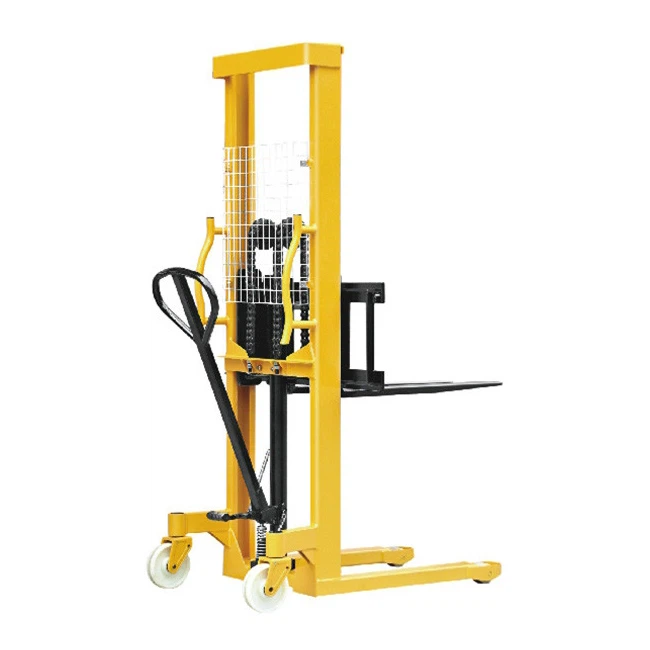
In some cases, Manual Stacker Trucks can also be used in conjunction with Electric Flat Cars to move and position loads accurately, further optimizing load distribution.
Our Electric Flat Cars and Load Distribution
At our company, we take load distribution very seriously. Our Electric Flat Cars are designed with advanced engineering techniques to ensure optimal load distribution. We use high - quality materials and precision manufacturing processes to build frames and platforms that can handle heavy loads with ease.
Our engineers conduct detailed load distribution calculations during the design phase to determine the maximum load capacity and the best wheel configuration for each model of Electric Flat Car. We also provide comprehensive training and guidelines to our customers on how to load their flat cars properly, taking into account the load characteristics and the specific model of the flat car.
Conclusion
In conclusion, understanding the maximum load distribution on an Electric Flat Car is essential for safe, efficient, and long - term operation. Factors such as structural design, wheel configuration, and load characteristics all play a role in determining load distribution. By performing accurate calculations and ensuring proper load placement, the risk of accidents and equipment damage can be minimized.
If you are in the market for an Electric Flat Car, or if you have any questions about load distribution or our products, please visit our website Electric Flat Car to learn more. We are always ready to assist you in finding the right solution for your material handling needs and are happy to engage in discussions regarding procurement and customization options.
References
- "Material Handling Equipment Handbook", Industrial Press Inc.
- "Engineering Mechanics: Statics and Dynamics", R.C. Hibbeler


