

The loading capacity of a small - scale freight elevator is a crucial factor that businesses need to consider when choosing the right equipment for their operations. As a supplier of freight elevators, I have witnessed firsthand how the loading capacity can impact the efficiency and safety of a company's logistics and material handling processes. In this blog, I will delve into the concept of the loading capacity of small - scale freight elevators, factors that influence it, and how to determine the appropriate capacity for your business.
Understanding the Loading Capacity of Small - Scale Freight Elevators
The loading capacity of a freight elevator refers to the maximum weight that the elevator can safely carry. This capacity is typically measured in kilograms (kg) or pounds (lbs). Small - scale freight elevators are designed for relatively light - duty applications, such as in small warehouses, workshops, or multi - story retail stores. Their loading capacities usually range from a few hundred kilograms to a couple of tons.
For instance, a very small - scale freight elevator used in a small workshop might have a loading capacity of around 200 - 500 kg. This is suitable for transporting small tools, parts, or light boxes. On the other hand, a slightly larger small - scale freight elevator in a small warehouse could have a capacity of 1 - 2 tons, which can handle larger and heavier items like pallets of goods.
Factors Influencing the Loading Capacity
Several factors play a role in determining the loading capacity of a small - scale freight elevator.
Structural Design
The design of the elevator's car, frame, and hoist mechanism is a primary factor. A well - constructed elevator with a sturdy frame and a reliable hoist system can support a higher loading capacity. For example, an elevator with a reinforced steel frame and a high - quality traction system will be able to handle more weight compared to one with a flimsy structure.
Motor Power
The power of the elevator's motor is directly related to its loading capacity. A more powerful motor can generate the necessary force to lift heavier loads. If the motor is under - powered for the intended loading capacity, it may lead to slow operation, overheating, and even premature wear and tear of the motor.
Safety Features
Safety is of utmost importance in freight elevator design. Elevators with advanced safety features, such as overload protection devices, can have higher loading capacities. These safety features ensure that the elevator will not operate if the load exceeds the specified capacity, protecting both the equipment and the people using it.

Installation Environment
The environment where the elevator is installed also affects its loading capacity. For example, if the elevator is installed in a building with limited space for the hoistway or with a weak floor structure, the loading capacity may need to be adjusted accordingly. In such cases, a smaller - capacity elevator might be a more suitable choice to ensure the overall safety of the building.
Determining the Appropriate Loading Capacity for Your Business
To determine the right loading capacity for your small - scale freight elevator, you need to consider the following aspects:
Types of Goods to be Transported
First, identify the types of goods that will be transported in the elevator. If you are mainly transporting light items like office supplies or small packages, a lower - capacity elevator will suffice. However, if you need to move heavy machinery parts or large pallets of goods, you will require an elevator with a higher loading capacity.
Frequency of Use
The frequency of elevator use also matters. If the elevator will be used frequently to transport heavy loads, it is advisable to choose an elevator with a slightly higher loading capacity than the average weight of the loads. This will prevent over - stressing the elevator and extend its service life.
Future Expansion Plans
Consider your business's future expansion plans. If you anticipate an increase in the volume or weight of the goods to be transported in the future, it is wise to invest in an elevator with a higher loading capacity from the start. This can save you the cost and hassle of replacing the elevator later.
Comparison with Other Lifting Equipment
When considering the loading capacity, it's also useful to compare small - scale freight elevators with other types of lifting equipment, such as Scissor Lift and Articulated Boom Lift.
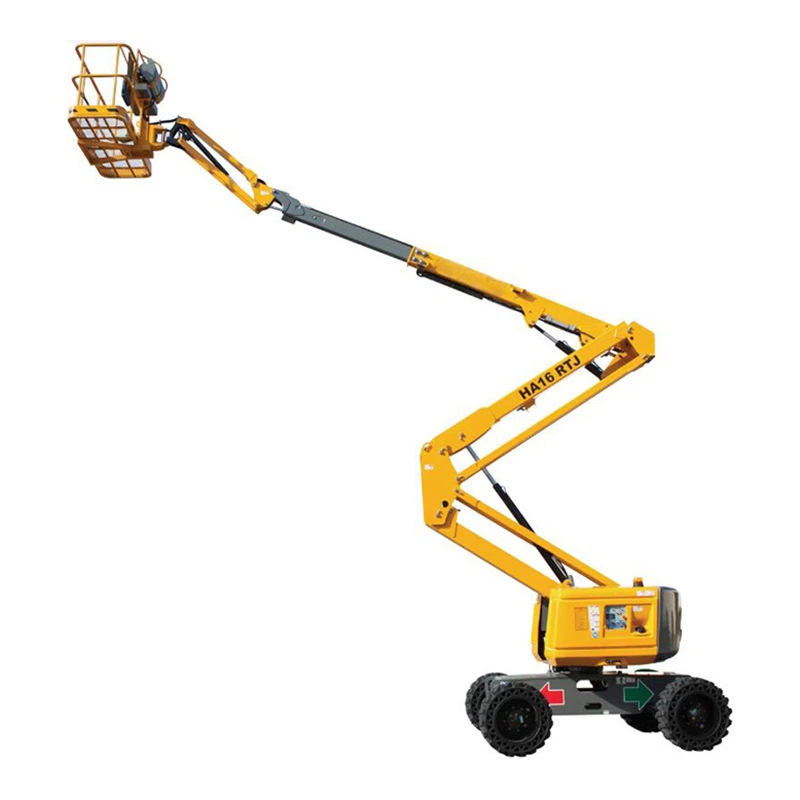
Scissor lifts are typically used for vertical lifting in a relatively small area. Their loading capacities can vary widely, but generally, they are more suitable for lighter loads and are often used for tasks like maintenance work or lifting personnel along with some light tools. Articulated boom lifts, on the other hand, are designed for reaching elevated areas at various angles. They usually have a lower loading capacity compared to freight elevators and are mainly used for tasks such as window cleaning or equipment installation at height.
In contrast, small - scale freight elevators are specifically designed for transporting goods between different floors. They can handle a wider range of load weights and are more efficient for continuous vertical transportation of goods in a building.
Importance of Choosing the Right Loading Capacity
Choosing the right loading capacity for your small - scale freight elevator is essential for several reasons.
Efficiency
An elevator with an appropriate loading capacity can transport goods quickly and efficiently. If the capacity is too low, you may need to make multiple trips to transport a large load, which wastes time and increases labor costs. On the other hand, if the capacity is too high, you may be overpaying for an elevator that is larger than necessary.
Safety
Overloading an elevator can be extremely dangerous. It can cause mechanical failures, such as the elevator getting stuck between floors or the cables breaking. By choosing an elevator with the right loading capacity and using it within the specified limits, you can ensure the safety of your employees and the protection of your goods.
Cost - Effectiveness
Selecting the correct loading capacity can also save you money in the long run. An elevator that is properly sized for your needs will require less maintenance and have a longer service life. This reduces the overall cost of ownership, including purchase, installation, and maintenance expenses.
Conclusion
In conclusion, the loading capacity of a small - scale freight elevator is a complex but crucial aspect to consider when purchasing this equipment. As a supplier of Freight Elevator, I understand the importance of helping businesses make the right choice. By carefully evaluating the factors that influence loading capacity and considering your specific business requirements, you can select an elevator that meets your needs in terms of efficiency, safety, and cost - effectiveness.
If you are in the process of choosing a small - scale freight elevator for your business, I encourage you to contact us for professional advice and guidance. Our team of experts can help you determine the most suitable loading capacity and recommend the best elevator model for your specific situation. Let's work together to enhance your business's logistics and material handling capabilities.
References
- Elevator Design and Installation Standards Handbook
- Material Handling Equipment Manufacturer's Association Publications
- Journals on Industrial Engineering and Logistics Management


