

Hey there! As a hands - on supplier of hand winches, I get this question all the time: "What is the difference between a forged and a cast hand winch?" Let's dig right in and break it down.
Manufacturing Process
First off, let's talk about how these two types of hand winches are made.
Forged Hand Winches
Forging is a pretty old - school but super effective manufacturing process. When making a forged hand winch, we start with a solid piece of metal, usually steel. This metal block is heated up until it becomes really malleable, almost like a lump of clay that you can shape as you want. Then, powerful presses or hammers are used to pound and shape the hot metal into the desired parts of the hand winch.
This process is like working with a tough material and making it exactly how you need it. The intense pressure from the forging compresses the metal grains, making them tightly packed and aligned in a way that gives the finished product amazing strength. It's sort of like building a house with very dense and strong bricks.
Cast Hand Winches
On the other hand, casting is a whole different ballgame. For cast hand winches, we take molten metal, which is basically metal that has been heated until it's in a liquid state. This liquid metal is then poured into a mold that has the shape of the hand winch parts we want to create.
As the molten metal cools down inside the mold, it solidifies and takes on the shape of the mold. It's a bit like making Jell - O in a fancy mold; the liquid takes the form of the container it's in. Casting allows us to create more complex shapes more easily because we can just pour the metal into a well - designed mold. But, the structure of the metal in a cast part is a bit looser compared to a forged one, and it might have some tiny air bubbles or porosity, which can affect the overall strength.
Strength and Durability
Strength
Forged hand winches are the clear winners when it comes to strength. The forging process aligns the metal grains in a uniform way, which makes the winch able to withstand much higher stress and loads. They're great for heavy - duty applications, like pulling large boats up a trailer, or moving heavy construction materials.
Let me give you an example. If you're working in a construction site where you need to lift or pull really heavy objects on a regular basis, a forged hand winch is going to be your best bet. It can handle the repeated stress without getting damaged easily.
Cast hand winches, while they can still be quite strong, are generally not as strong as forged ones. The presence of porosity (those tiny air bubbles) in the cast metal can create weak points. So, if you subject a cast hand winch to extremely high loads, there's a higher risk of it breaking or failing. They're more suitable for lighter - duty tasks, like pulling a small garden shed or moving some light equipment around your property.
Durability
In terms of durability, forged hand winches also have an edge. The strong and well - structured metal in forged winches makes them more resistant to wear and tear over time. They can handle harsh environments better, too. For instance, if you're using the winch in a place where it's exposed to lots of moisture, dust, or chemicals, a forged hand winch is more likely to last longer without rusting or corroding.
Cast hand winches can be durable, but they might need a bit more maintenance to keep them in good shape. The weaker structure means that they can wear out faster, especially if they're used frequently for demanding tasks.
Cost
Price Consideration
You're probably wondering about the cost. Well, forged hand winches are usually more expensive. The forging process requires a lot of energy, specialized equipment, and skilled labor. Heating the metal to high temperatures, using powerful presses, and carefully shaping the parts all add to the production cost. But you're paying for the quality and strength that come with a forged winch.
Cast hand winches, on the other hand, are generally more budget - friendly. The casting process is relatively simpler and less energy - intensive. You just need to heat the metal to a molten state and pour it into a mold. This makes cast hand winches a great option if you have a limited budget and only need a winch for light - to - medium - duty tasks.
Application
Forged Hand Winch Applications
As I mentioned before, forged hand winches are perfect for heavy - duty applications. In the industrial sector, they're used in factories for moving large machinery and equipment. They're also commonly used in the marine industry for pulling boats and ships in and out of the water. Additionally, in the construction industry, forged hand winches are used to lift and position massive steel beams and other heavy building materials. You can check out our Hand Winch range for some high - quality forged options.
Cast Hand Winch Applications
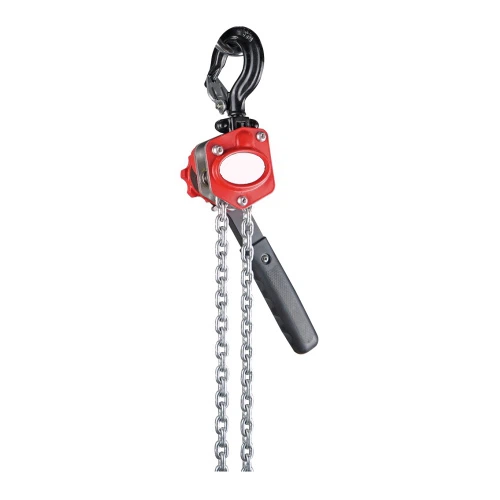
Cast hand winches have their own niche. They're great for DIY projects around the home. If you're building a small shed in your backyard and need to lift some lumber or move some tools, a cast hand winch will do the job just fine. They're also used in some light - industrial settings where the loads aren't too heavy. For more options on hand lifting tools, we also have Hand Chain Hoist and Hand Lever Hoist on our website.

Which One Should You Choose?
The choice between a forged and a cast hand winch depends on your specific needs. If you're going to be using the winch for heavy - duty, high - stress applications on a regular basis, and you have the budget for it, go for a forged hand winch. It will give you the reliability and strength you need.
But if you're on a tight budget and only need a winch for occasional, light - duty tasks around the house or in a small workshop, a cast hand winch will be a good fit.
So, there you have it! The main differences between forged and cast hand winches. If you're still not sure which one is right for you, or if you're interested in purchasing a hand winch, don't hesitate to reach out. We're here to help you make the best choice for your needs and get you the right equipment at a great price.
References
- "Metallurgy for Dummies" - A great beginner's guide to understanding metal manufacturing processes.
- Industry reports on hand winch manufacturing and applications.


