

Hey there! As a supplier of Freight Elevators, I know how important it is to keep these workhorses in top - notch condition. A clean freight elevator not only looks good but also ensures smooth operation and a longer lifespan. So, let's dive into the recommended cleaning procedures for a freight elevator.
Pre - cleaning Checks
Before you start cleaning, it's crucial to do a quick pre - check. First, make sure the elevator is turned off. This is a safety measure to prevent any accidental movement during the cleaning process. Check the elevator's control panel for any error messages or warning lights. If you notice anything unusual, it might be a sign of a more serious issue that needs to be addressed by a professional before you proceed with cleaning.
Also, take a look at the elevator's cables, pulleys, and counterweights. Look for any signs of wear and tear, such as frayed cables or loose parts. If you spot any problems, it's best to halt the cleaning and call in a technician. This pre - cleaning inspection can save you from potential headaches down the road.

Cleaning the Interior
The interior of the freight elevator takes a lot of abuse. It's where all the goods are loaded and unloaded, so it can get pretty dirty. Start by removing any debris, like dust, dirt, and small pieces of packaging. You can use a broom or a shop - vac to do this. A shop - vac is great because it can suck up both dry and wet debris, and it's more efficient than a broom for larger areas.
Once you've removed the loose debris, it's time to clean the walls and floor. For the walls, you can use a mild detergent and a soft cloth or sponge. Avoid using abrasive cleaners or scrubbers, as they can damage the elevator's finish. Wipe down the walls in a gentle, circular motion, paying special attention to any stains or marks.
The floor is usually the dirtiest part. If it's a concrete floor, you can use a pressure washer to remove stubborn dirt and grime. But be careful not to use too much pressure, as it can damage the floor surface. For other types of floors, like stainless steel or painted surfaces, use a cleaner specifically designed for that material. After cleaning, dry the floor thoroughly to prevent slips and falls.
Cleaning the Doors
The elevator doors are another critical area. They open and close constantly, so they can accumulate a lot of dirt and grease. Start by cleaning the door tracks. Use a small brush or a toothbrush to remove any dirt or debris that has collected in the tracks. This will ensure smooth operation of the doors.
Next, clean the door surfaces. You can use the same mild detergent and soft cloth that you used for the interior walls. Pay attention to the edges and corners of the doors, as these areas can collect a lot of dirt. If the doors have glass panels, use a glass cleaner to make them shine.
Cleaning the Mechanical Components
The mechanical components of the freight elevator are the heart of the system. They need to be kept clean to function properly. Start by cleaning the motor and the control cabinet. Use a compressed air canister to blow away any dust and debris from the motor. Make sure to hold the canister at a safe distance to avoid damaging the motor.
For the control cabinet, use a soft, dry cloth to wipe down the surfaces. Avoid getting any moisture inside the cabinet, as it can cause electrical problems. Check the wiring and connections for any signs of damage or loose connections. If you notice anything wrong, it's best to call a professional electrician.
The cables and pulleys also need to be cleaned regularly. Use a wire brush to remove any rust or dirt from the cables. You can also apply a light coat of lubricant to the pulleys to ensure smooth operation. Just make sure to use the right type of lubricant recommended by the elevator manufacturer.
Cleaning the Exterior
The exterior of the freight elevator is often overlooked, but it's just as important as the interior. Start by washing the outside of the elevator with a hose to remove any loose dirt and debris. Then, use a mild detergent and a soft brush to clean the surfaces. Pay attention to the corners and edges, as these areas can collect a lot of dirt.
If the elevator has a painted exterior, make sure to use a cleaner that is safe for the paint. Avoid using abrasive cleaners or scrubbers, as they can scratch the paint. After cleaning, rinse the exterior thoroughly with water and dry it with a clean cloth.
Using the Right Tools and Equipment
To make the cleaning process easier and more effective, it's important to use the right tools and equipment. As I mentioned earlier, a shop - vac is great for removing debris from the interior. A pressure washer can be useful for cleaning the floor, but make sure to use it carefully.
For cleaning the mechanical components, you'll need a compressed air canister, a wire brush, and a soft, dry cloth. You may also need a set of screwdrivers and wrenches to access some of the hard - to - reach areas.
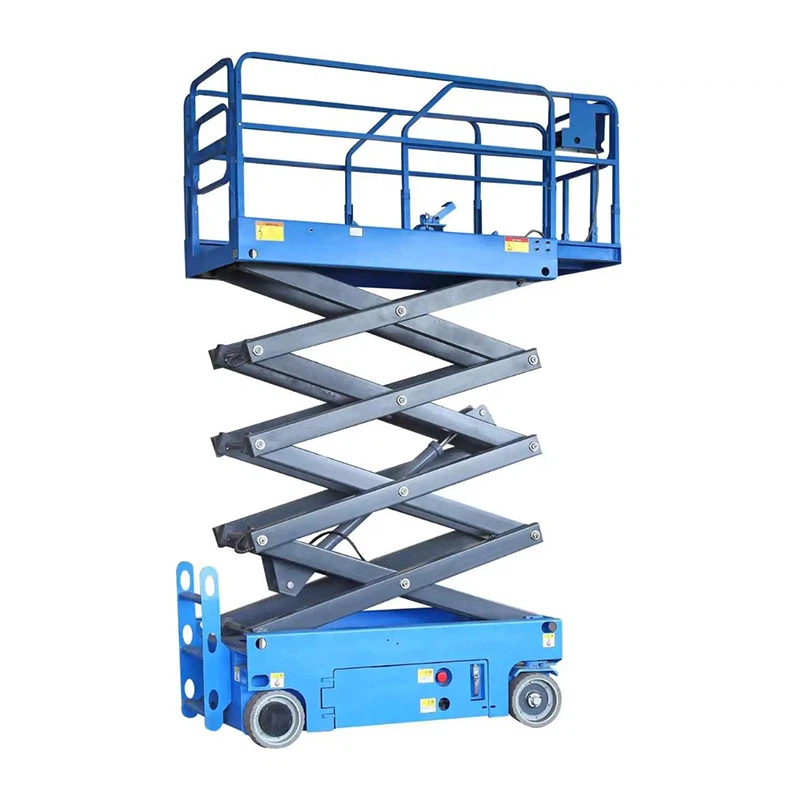
If you're in the market for other lifting and handling equipment, we also offer Manual Hydraulic Platform Truck and Scissor Lift. These products are designed to work in conjunction with our Freight Elevator to provide a complete solution for your material handling needs.
Frequency of Cleaning
The frequency of cleaning your freight elevator depends on how often it's used. If it's used multiple times a day, it should be cleaned at least once a week. For less frequent use, a monthly cleaning may be sufficient. However, it's a good idea to do a visual inspection of the elevator every day to catch any potential problems early.
Conclusion
Keeping your freight elevator clean is essential for its performance and longevity. By following these recommended cleaning procedures, you can ensure that your elevator operates smoothly and safely. If you have any questions or need more information about cleaning your freight elevator, or if you're interested in purchasing a new Freight Elevator, don't hesitate to reach out for a purchase negotiation.
References
- Elevator Maintenance Handbook
- Manufacturer's Manual for Freight Elevators


