

Hey there! As a supplier of Scissor Lifts, I've seen firsthand how these machines can revolutionize work at height. But with great power comes great responsibility, and that's where safety regulations come in. In this blog, I'll break down the key safety regulations for scissor lifts to ensure you and your team stay safe on the job.
Pre - operation Checks
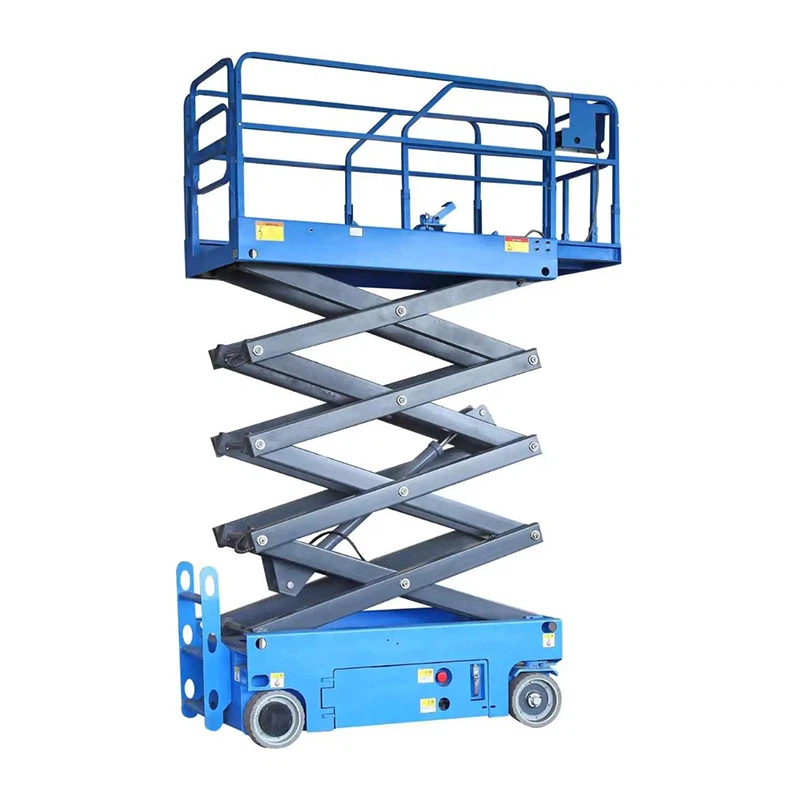
Before you even think about powering up a scissor lift, a thorough pre - operation check is a must. First off, visually inspect the lift. Look for any signs of damage, like cracks in the frame, bent parts, or loose bolts. A damaged scissor lift can be a ticking time bomb, so don't skip this step. Check the hydraulic hoses for leaks; a small leak can lead to a big problem if it causes a loss of hydraulic pressure.
Next, test the controls. Make sure all the buttons and levers work as they should. The up and down controls, as well as the tilt and drive controls (if it's a mobile scissor lift), need to be in perfect working order. Also, check the emergency stop button. It's your lifesaver in case something goes wrong, so it has to be functional.
Don't forget about the platform. Ensure it's clean and free of any debris that could cause someone to trip. And check the guardrails; they should be securely attached and at the proper height to prevent falls.
Operator Training
One of the most important safety regulations is proper operator training. An untrained operator is a liability. Operators should be trained by a qualified instructor who covers all aspects of scissor lift operation. This includes how to start and stop the lift, how to use the controls safely, and how to handle emergency situations.
Training should also cover the weight capacity of the scissor lift. Overloading a scissor lift can cause it to tip over or malfunction. Operators need to know the maximum weight the lift can carry and make sure they don't exceed it. This includes the weight of the operator, any tools, and materials on the platform.
Another crucial part of training is understanding the terrain. Scissor lifts are designed to operate on certain types of surfaces. Uneven or soft ground can cause the lift to become unstable. Operators should be taught to assess the ground conditions before setting up the lift and to take appropriate precautions.
Use of Personal Protective Equipment (PPE)
PPE is non - negotiable when it comes to scissor lift safety. Operators should always wear a hard hat to protect their heads from falling objects. Safety glasses are also essential to shield their eyes from dust, debris, and any flying particles.
A safety harness is a must, especially when working at height. It should be properly attached to a secure anchor point on the scissor lift platform. Even if the guardrails are in place, a safety harness provides an extra layer of protection in case of an unexpected event.
Steel - toed boots are another important piece of PPE. They protect the feet from heavy objects that might be dropped or rolled onto them.
Working Environment
The working environment plays a big role in scissor lift safety. First, make sure there's enough clearance around the lift. There should be no overhead obstacles, like power lines or tree branches, that could come into contact with the lift as it goes up.
If you're working indoors, ensure proper ventilation. Some scissor lifts are powered by internal combustion engines, which can emit harmful fumes. Adequate ventilation helps to keep the air clean and safe for the operator.
Also, be aware of the weather conditions. High winds can make a scissor lift unstable, especially when it's extended to its maximum height. If the wind speed exceeds the manufacturer's recommended limit, it's best to stop using the lift until the conditions improve.
Maintenance and Inspection
Regular maintenance and inspection are key to keeping scissor lifts safe. Maintenance should be carried out according to the manufacturer's recommendations. This includes changing the hydraulic fluid, lubricating moving parts, and checking the electrical system.
Inspections should be done on a regular basis, both before and after each use. A more in - depth inspection should be carried out at least once a year by a qualified technician. During these inspections, the technician will check all the components of the scissor lift to ensure they're in good working condition.
Common Safety Mistakes to Avoid
There are some common safety mistakes that operators often make. One of them is using the scissor lift as a crane. Scissor lifts are designed to lift people and light tools, not heavy loads that are meant for cranes. Using a scissor lift in this way can cause it to tip over or damage the lift mechanism.
Another mistake is not following the proper procedures for setting up and leveling the lift. If the lift isn't level, it can become unstable during operation. Always use the leveling jacks (if available) to ensure the lift is on a flat and stable surface.
Some operators also neglect to read the operator's manual. The manual contains important information about the scissor lift, including safety instructions, maintenance schedules, and troubleshooting tips. It's there for a reason, so make sure you read and follow it.
Related Equipment
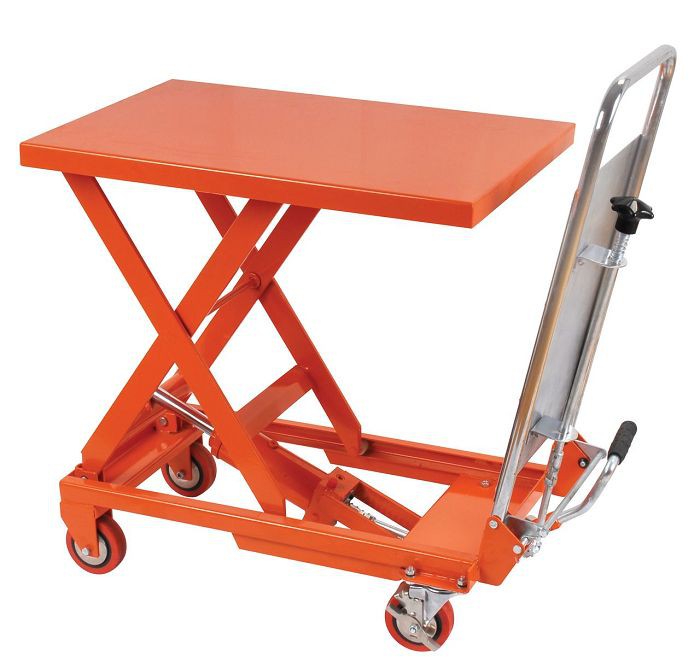
If you're in the market for other types of lifting equipment, we also offer Articulated Boom Lift and Manual Hydraulic Platform Truck. These are great options depending on your specific needs. And of course, our Scissor Lift is a reliable choice for many work at height applications.
Conclusion
Safety regulations for scissor lifts are not just a set of rules; they're a matter of life and death. By following these regulations, you can ensure the safety of your operators and the longevity of your scissor lift. If you're interested in purchasing a scissor lift or have any questions about our products, feel free to reach out. We're here to help you make the right choice for your business.
References
- OSHA (Occupational Safety and Health Administration) guidelines on aerial work platforms.
- Manufacturer's manuals for scissor lifts.


