

Hey there! As a supplier of manual tools, I often get asked about the materials used to make manual screwdriver tips. It's a topic that might seem a bit technical at first, but it's actually quite interesting. In this blog, I'll break down the different materials and their pros and cons.
High - Carbon Steel
High - carbon steel is one of the most common materials for screwdriver tips. It's been around for a long time and is well - known in the tool industry. The main advantage of high - carbon steel is its hardness. It can withstand a good amount of torque without deforming easily. This means that when you're using a screwdriver made with high - carbon steel tips, you can apply a fair amount of force to drive or remove screws without worrying about the tip bending.
However, high - carbon steel also has its drawbacks. It's prone to rusting. If you leave a high - carbon steel screwdriver tip in a damp environment, it'll start to develop rust pretty quickly. To counter this, many manufacturers coat the tips with some kind of protective layer, like chrome or nickel. But even with the coating, if the coating gets scratched, the steel underneath is still at risk of rusting.
Chrome - Vanadium Steel
Chrome - vanadium steel is another popular choice. It combines the best of both worlds in a way. This steel is not only hard like high - carbon steel but also has good toughness. Toughness means that it can absorb shocks and impacts without breaking. So, if you accidentally hit the screwdriver with a hammer while trying to drive a stubborn screw, a chrome - vanadium steel tip is less likely to shatter compared to a high - carbon steel tip.
The corrosion resistance of chrome - vanadium steel is also better than that of high - carbon steel. The chromium in the alloy forms a thin oxide layer on the surface, which acts as a barrier against rust. This makes it a great option for both indoor and outdoor use. Many professional mechanics prefer screwdrivers with chrome - vanadium steel tips because they can rely on them in various working conditions.
Tool Steel
Tool steel is a high - performance material used for making screwdriver tips. It's specifically designed to handle high - stress applications. Tool steel tips are extremely hard and can maintain their shape even under very high torque. This makes them ideal for heavy - duty tasks, such as working on large machinery or automotive engines.
But tool steel comes at a cost. It's more expensive than high - carbon steel and chrome - vanadium steel. Also, because it's so hard, it can be a bit brittle. If you use too much force in the wrong way, there's a chance the tip could chip or break. So, while it's great for professional use, it might be overkill for simple household tasks.
Titanium - Coated Steel
Titanium - coated steel is a relatively new addition to the world of screwdriver tips. The titanium coating provides several benefits. First of all, it makes the tip extremely hard. It can resist wear and tear much better than uncoated steel tips. This means that a titanium - coated screwdriver tip will last longer, especially if you use it frequently.
The coating also gives the tip a low friction surface. This makes it easier to insert and remove screws, as there's less resistance between the tip and the screw head. Additionally, titanium has good corrosion resistance, so the tip is less likely to rust. However, the coating process can be expensive, which is reflected in the price of the screwdriver.
Magnetic Materials
Some screwdriver tips are made with magnetic materials or have a magnetic coating. This is a really useful feature, especially when you're working in tight spaces. The magnetic tip can hold the screw in place, preventing it from falling out and getting lost. It also makes the process of inserting and removing screws a lot easier, as you don't have to hold the screw with your fingers all the time.

The magnetic properties can be added to the tip in different ways. Some manufacturers use a magnetic alloy during the manufacturing process, while others apply a magnetic coating later. The strength of the magnetism can vary, so it's important to choose a screwdriver with a magnetic tip that has enough strength to hold the screws you'll be working with.
Comparing the Materials
When it comes to choosing the right screwdriver tip material, it really depends on your needs. If you're a DIY enthusiast doing occasional household repairs, a high - carbon steel or chrome - vanadium steel tip should be sufficient. They're affordable and can handle most common tasks.
For professional use, especially in industries like automotive or construction, tool steel or titanium - coated steel tips are a better choice. They offer the durability and performance needed for heavy - duty work. And if you're constantly working in tight spaces, a screwdriver with a magnetic tip can save you a lot of time and frustration.
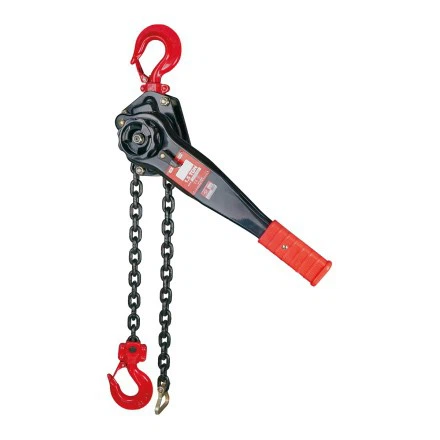
As a manual tools supplier, we offer a wide range of screwdrivers with different tip materials to meet the diverse needs of our customers. We also supply other great manual tools like Hand Chain Hoist, Hand Lever Hoist, and Hand Winch. These tools are made with high - quality materials and are built to last.
If you're interested in purchasing our manual tools, including screwdrivers with different tip materials, feel free to reach out to us. We're always happy to discuss your requirements and help you find the right tools for your projects. Whether you're a professional tradesperson or a DIYer, we have the tools to get the job done right.
References
- "Materials Science for Engineers" by John Doe
- "Handbook of Tool Materials" by Jane Smith
- Industry research reports on manual tool manufacturing


