

A hydraulic pallet truck is an essential piece of equipment in the material handling industry, known for its efficiency and reliability in moving and lifting pallets. As a leading supplier of hydraulic pallet trucks, I'm excited to share with you the main components that make these machines so effective.
Forks
The forks are one of the most visible and crucial components of a hydraulic pallet truck. They are the part that slides under the pallets to lift and transport them. Forks are typically made of high - strength steel to withstand heavy loads. The length and width of the forks can vary depending on the specific application. For example, in a warehouse with standard - sized pallets, common fork lengths range from 36 inches to 48 inches.
The design of the forks also includes a tapered tip. This tapered shape makes it easier to insert the forks into the pallet openings, especially when dealing with tight spaces or uneven pallets. Some hydraulic pallet trucks come with adjustable forks, which offer greater flexibility in handling different pallet sizes. This feature is particularly useful in facilities that handle a variety of pallet dimensions. You can learn more about different types of handling equipment, like Manual Stacker Trucks, which also have well - designed forks for their specific functions.
Hydraulic Pump
The hydraulic pump is the heart of the hydraulic pallet truck. It is responsible for generating the force needed to lift the load. When the operator pumps the handle, the hydraulic pump forces hydraulic fluid into the cylinder, which in turn raises the forks.
There are two main types of hydraulic pumps used in pallet trucks: single - acting and double - acting pumps. Single - acting pumps are simpler and more common in basic models. They use the pumping action to lift the load and rely on gravity to lower it. Double - acting pumps, on the other hand, can use hydraulic pressure to both lift and lower the load, providing more precise control.

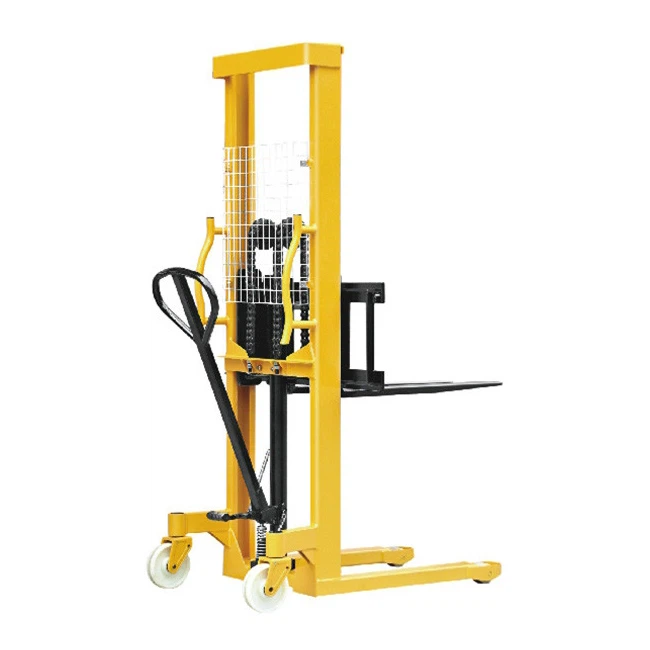
The quality of the hydraulic pump is crucial for the performance and durability of the pallet truck. A high - quality pump will have a smooth pumping action, require less effort from the operator, and be less prone to leaks. Regular maintenance of the hydraulic pump, such as checking the fluid level and replacing worn seals, is essential to ensure its proper functioning.
Cylinder
The cylinder works in conjunction with the hydraulic pump. It is a chamber where the hydraulic fluid is forced in and out to create the lifting and lowering motion. The cylinder is usually made of a strong metal, such as steel, to withstand the high pressure generated during operation.
Inside the cylinder, there is a piston. When the hydraulic fluid is pumped into the cylinder, it pushes the piston upwards, which is connected to the forks, causing them to rise. When the operator releases the pressure, the fluid flows back out of the cylinder, and the forks lower. The size and capacity of the cylinder determine the maximum lifting height and load - carrying capacity of the pallet truck. Larger cylinders can typically lift heavier loads to greater heights.
Handle
The handle is the interface between the operator and the pallet truck. It is used to control the movement of the truck, operate the hydraulic pump, and steer the unit. Handles are designed to be ergonomic, allowing the operator to use the pallet truck comfortably for extended periods.
Some handles are equipped with a control lever that allows the operator to easily raise, lower, or neutralize the forks. The neutral position is important as it allows the forks to be moved freely without the risk of accidentally lifting or lowering the load. Additionally, the handle may have a grip that provides a good hold, even when the operator's hands are wet or dirty.
Wheels
Wheels play a vital role in the mobility of the hydraulic pallet truck. There are usually two types of wheels: load wheels and steering wheels. The load wheels are located under the forks and are responsible for supporting the weight of the load. They are typically made of hard - wearing materials, such as polyurethane or nylon, to withstand heavy loads and provide smooth rolling.
The steering wheels are used to control the direction of the pallet truck. They are often smaller and more maneuverable than the load wheels. Some pallet trucks have swivel steering wheels, which allow for easy turning in tight spaces. The quality of the wheels can significantly affect the ease of use and the lifespan of the pallet truck. For example, well - made wheels will roll smoothly, reducing the effort required to move the loaded pallet truck.
Frame
The frame is the structural backbone of the hydraulic pallet truck. It holds all the other components together and provides stability. The frame is usually made of steel or other strong metals to ensure its strength and durability.
A well - designed frame will distribute the weight of the load evenly across the wheels and other components, preventing excessive stress on any one part. It also needs to be resistant to corrosion, especially if the pallet truck is used in harsh environments, such as outdoor warehouses or areas with high humidity.
Release Valve
The release valve is an important safety and control component. It is used to lower the load safely and gradually. When the operator wants to lower the load, they open the release valve, which allows the hydraulic fluid to flow back out of the cylinder.
The release valve is designed to prevent sudden drops of the load. It has a mechanism that controls the rate at which the fluid is released, ensuring a smooth and controlled lowering process. This is crucial for preventing damage to the load and ensuring the safety of the operator.
Overload Protection
Many modern hydraulic pallet trucks are equipped with overload protection. This feature is designed to prevent the pallet truck from being overloaded, which can cause damage to the components and pose a safety risk.
Overload protection can be in the form of a pressure - relief valve. When the load exceeds the maximum capacity of the pallet truck, the pressure - relief valve will open, allowing the hydraulic fluid to bypass the cylinder and preventing further lifting. This protects the hydraulic pump, cylinder, and other components from damage.
Electric Components (for Electric Pallet Trucks)
In addition to the above components, electric hydraulic pallet trucks have some unique electric components. These include the battery, electric motor, and control system.
The battery provides the power for the electric motor, which drives the hydraulic pump. The type and capacity of the battery can affect the runtime of the electric pallet truck. A high - capacity battery will allow the pallet truck to operate for longer periods without recharging.
The electric motor is responsible for converting electrical energy into mechanical energy to drive the hydraulic pump. It is designed to be efficient and reliable. The control system manages the operation of the electric motor and other functions, such as speed control and direction control. If you are interested in electric handling equipment, you can explore Electric Flat Car.
Conclusion
In conclusion, a hydraulic pallet truck is a complex piece of equipment composed of several key components. Each component plays a specific role in ensuring the efficient, safe, and reliable operation of the pallet truck. Whether you need a basic Manual Hydraulic Pallet Truck for light - duty tasks or an electric model for heavy - duty applications, understanding these components can help you make an informed decision when purchasing.
If you are in the market for a hydraulic pallet truck or have any questions about our products, we invite you to contact us for a detailed discussion. Our team of experts is ready to assist you in finding the right pallet truck for your specific needs.
References
- Industrial Material Handling Handbook
- Hydraulic Systems and Components: Principles and Applications


