

A scissor lift is a crucial piece of equipment in many industries, providing a stable and elevated work platform for tasks such as maintenance, construction, and warehousing. As a leading Scissor Lift supplier, we understand the importance of safety and emergency preparedness when operating these machines. In this blog post, we will discuss the emergency procedures for a scissor lift to ensure the well - being of operators and the safety of the work environment.
Pre - operation Checks and Safety Measures
Before starting any operation with a scissor lift, a series of pre - operation checks must be conducted. First, operators should visually inspect the scissor lift for any visible damage, such as bent or cracked frames, loose bolts, or leaks in the hydraulic system. Check the tires for proper inflation and any signs of wear.
The control panel should also be examined to ensure all buttons and switches are functioning correctly. The emergency stop button, in particular, should be tested to confirm its immediate response. Operators should also review the load capacity of the scissor lift and ensure that the weight of the workers, tools, and materials on the platform does not exceed this limit.
Safety equipment such as guardrails and safety harnesses must be in place and in good condition. Workers on the scissor lift should always wear appropriate personal protective equipment (PPE), including hard hats, safety glasses, and non - slip shoes.
Emergency Procedures During Operation
Power Failure
Power failure is one of the most common emergencies that can occur during scissor lift operation. If the power suddenly goes out while the scissor lift is elevated, the operator should first activate the emergency stop button to prevent any unintended movement.
Most modern scissor lifts are equipped with a manual lowering mechanism. The operator should refer to the equipment's manual to locate and operate this mechanism. This usually involves using a hand pump or a release valve to slowly lower the platform to the ground. It is important to lower the platform at a controlled speed to avoid sudden drops or instability.
If the manual lowering mechanism fails, the operator should stay calm and signal for help. They can use a whistle or other signaling devices to attract the attention of nearby workers. Workers on the ground should then contact the maintenance team or the scissor lift supplier for further assistance.
Hydraulic System Failure
A hydraulic system failure can cause the scissor lift to lose its lifting or lowering ability. If the operator notices any unusual noises, leaks, or a loss of hydraulic pressure, they should immediately stop the operation and activate the emergency stop button.
Similar to a power failure, the operator should attempt to use the manual lowering mechanism to bring the platform down. If the hydraulic fluid is leaking, it is important to avoid any open flames or sparks in the area, as hydraulic fluid is flammable.
Workers on the ground should be informed of the situation, and they should cordon off the area to prevent unauthorized access. The maintenance team should be called to assess and repair the hydraulic system.
Platform Overloading
Overloading the scissor lift platform can lead to instability and potential collapse. If the operator realizes that the platform is overloaded, they should not attempt to lift the scissor lift any further. Instead, they should carefully remove some of the excess weight from the platform.
If the scissor lift has already started to show signs of instability due to overloading, such as tilting or shaking, the operator should activate the emergency stop button and stay as low as possible on the platform. Workers on the ground should quickly evacuate the area and call for professional help.
Structural Damage
During operation, the scissor lift may suffer from structural damage, such as a bent frame or a broken scissor arm. If the operator notices any signs of structural damage, they should immediately stop the operation and activate the emergency stop button.
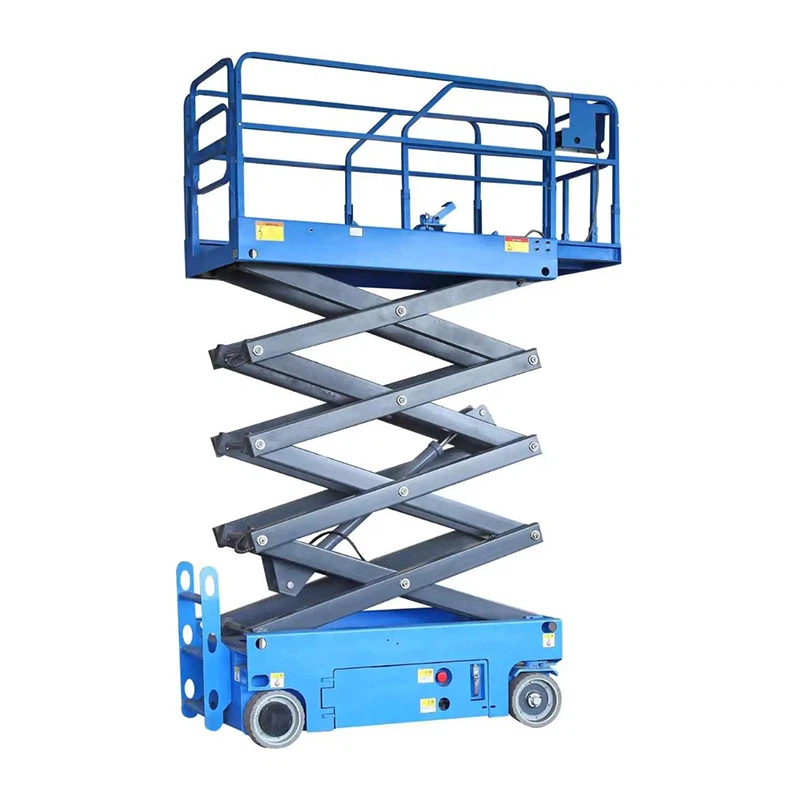

The operator should not attempt to move the scissor lift further, as this could exacerbate the damage. Workers on the ground should be informed, and the area should be cordoned off. A professional engineer or a technician from the scissor lift supplier should be called to assess the damage and determine the appropriate course of action, which may include repair or replacement of the damaged parts.
Emergency Procedures After an Incident
Evacuation
If there is an incident that requires evacuation from the scissor lift, such as a fire or a serious structural failure, the operator and any workers on the platform should follow the evacuation procedures.
If the platform is close to the ground, workers can carefully step off the platform. If the platform is elevated, they should use the emergency escape routes, such as ladders or ropes, if available. Workers on the ground should provide assistance and ensure a safe landing for those evacuating from the platform.
First Aid
In case of injuries, first aid should be administered immediately. Workers on the ground should be trained in basic first aid techniques and should have a first - aid kit readily available. The injured person should be removed from the scissor lift area to a safe and flat surface.
If the injury is severe, emergency medical services should be called immediately. The details of the incident, including the type of injury and the location of the scissor lift, should be provided to the medical team.
Incident Reporting
After an incident, a detailed incident report should be filed. The report should include information such as the date, time, and location of the incident, the type of emergency, the actions taken by the operator and other workers, and any injuries or damages sustained.
This report is important for several reasons. It helps the management to understand the cause of the incident and take appropriate preventive measures in the future. It also serves as a record for insurance purposes and regulatory compliance.
Training and Education
Proper training and education are essential for ensuring that operators are familiar with the emergency procedures for scissor lifts. As a Scissor Lift supplier, we offer comprehensive training programs for operators.
These training programs cover all aspects of scissor lift operation, including pre - operation checks, normal operation procedures, and emergency procedures. Operators are trained on how to use the equipment safely, how to identify potential hazards, and how to respond to emergencies effectively.
We also provide regular refresher courses to keep the operators' knowledge and skills up - to - date. In addition, we offer on - site training and support to our customers to ensure that they can operate the scissor lifts safely in their specific work environments.
Conclusion
As a [We can assume we are a well - known] Scissor Lift supplier, we are committed to providing high - quality scissor lifts and ensuring the safety of our customers. By following the emergency procedures outlined in this blog post, operators can minimize the risks associated with scissor lift operation and respond effectively to emergencies.
If you are in the market for a reliable and safe scissor lift, or if you need more information about our training programs and support services, please feel free to contact us. We are always ready to assist you with your lifting and handling needs. You can also explore our other products such as Manual Hydraulic Platform Truck and Freight Elevator on our website. For more details about our Scissor Lift, click the link.
References
- Occupational Safety and Health Administration (OSHA). "Scissor Lifts Safety." OSHA Publications.
- Manufacturer's manuals for scissor lifts, including operation, maintenance, and emergency procedures.
- Industry standards and guidelines for aerial work platforms.


