

In the realm of industrial operations, lifting gear plays a pivotal role in the safe and efficient movement of heavy loads. As a seasoned lifting gear supplier, I've had the privilege of working with a diverse range of materials that are integral to the construction of reliable and durable lifting equipment. In this blog post, I'll delve into the common materials used in lifting gear, exploring their properties, applications, and advantages.
Steel
Steel is perhaps the most widely used material in the manufacturing of lifting gear, and for good reason. Its exceptional strength, durability, and versatility make it an ideal choice for a variety of lifting applications. There are several types of steel commonly used in lifting gear, each with its own unique properties and characteristics.
Carbon Steel
Carbon steel is a popular choice for many lifting gear components due to its high strength and relatively low cost. It contains a small amount of carbon, which gives it its strength and hardness. Carbon steel is often used in the production of hooks, shackles, and other lifting accessories. It can withstand heavy loads and is resistant to wear and tear, making it suitable for use in harsh industrial environments.
Alloy Steel
Alloy steel is a type of steel that contains additional elements such as chromium, nickel, and molybdenum, which enhance its strength, toughness, and corrosion resistance. Alloy steel is commonly used in the manufacturing of high-performance lifting gear, such as wire ropes, chains, and slings. It can withstand extreme loads and is suitable for use in demanding applications, such as offshore oil and gas operations and heavy construction projects.
Stainless Steel
Stainless steel is a corrosion-resistant alloy that contains chromium, nickel, and other elements. It is commonly used in the production of lifting gear that is exposed to harsh environments, such as marine applications and chemical processing plants. Stainless steel is also used in the manufacturing of food-grade lifting gear, as it is resistant to rust and corrosion and can be easily cleaned and sanitized.
Aluminum
Aluminum is a lightweight and corrosion-resistant metal that is commonly used in the manufacturing of lifting gear. It has a high strength-to-weight ratio, which makes it ideal for applications where weight is a concern, such as aerospace and automotive industries. Aluminum is also easy to machine and form, which allows for the production of complex lifting gear components.
Aluminum Alloys
Aluminum alloys are a type of aluminum that contains additional elements such as copper, magnesium, and zinc, which enhance its strength and hardness. Aluminum alloys are commonly used in the manufacturing of lifting gear components, such as hoists, winches, and pulleys. They can withstand moderate loads and are suitable for use in a variety of applications, such as warehouse operations and material handling.
Aluminum Extrusions
Aluminum extrusions are a type of aluminum that is formed by forcing the metal through a die to create a specific shape. Aluminum extrusions are commonly used in the manufacturing of lifting gear frames and structures, as they can be easily customized to meet the specific requirements of the application. They are lightweight, strong, and corrosion-resistant, making them ideal for use in outdoor and marine applications.
Synthetic Fibers
Synthetic fibers are a type of material that is commonly used in the manufacturing of lifting gear slings and ropes. They are made from a variety of synthetic materials, such as polyester, nylon, and aramid, which offer high strength, flexibility, and resistance to abrasion and chemicals.
Polyester
Polyester is a popular choice for lifting gear slings and ropes due to its high strength, low stretch, and resistance to abrasion and chemicals. Polyester slings and ropes are commonly used in a variety of applications, such as construction, mining, and transportation. They can withstand heavy loads and are suitable for use in both indoor and outdoor environments.
Nylon
Nylon is a strong and flexible synthetic fiber that is commonly used in the manufacturing of lifting gear slings and ropes. Nylon slings and ropes have a high stretch capacity, which makes them ideal for applications where shock absorption is required, such as lifting heavy machinery and equipment. They are also resistant to abrasion and chemicals, making them suitable for use in harsh industrial environments.
Aramid
Aramid is a high-strength synthetic fiber that is commonly used in the manufacturing of lifting gear slings and ropes. Aramid slings and ropes have a very high strength-to-weight ratio, which makes them ideal for applications where weight is a concern, such as aerospace and military industries. They are also resistant to abrasion, heat, and chemicals, making them suitable for use in demanding applications.
Other Materials
In addition to steel, aluminum, and synthetic fibers, there are several other materials that are commonly used in the manufacturing of lifting gear. These materials include:
Cast Iron
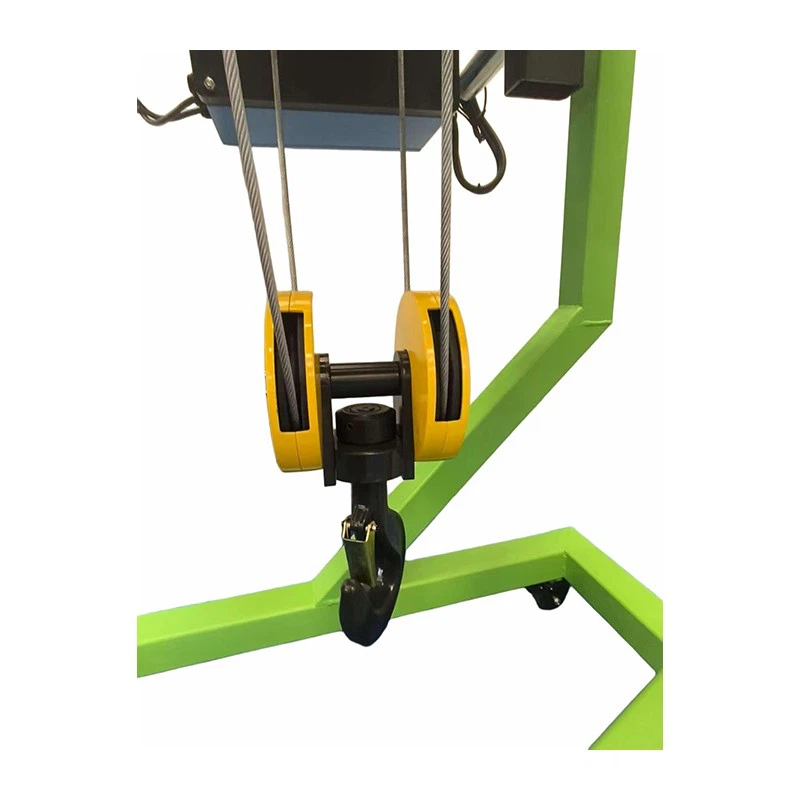
Cast iron is a hard and brittle metal that is commonly used in the manufacturing of lifting gear components, such as pulleys and sheaves. Cast iron components are strong and durable, but they are also heavy and prone to cracking and breaking under stress.

Bronze
Bronze is a copper-based alloy that is commonly used in the manufacturing of lifting gear bushings and bearings. Bronze bushings and bearings are self-lubricating, which reduces friction and wear and extends the life of the lifting gear. They are also resistant to corrosion and can withstand high loads and temperatures.
Rubber
Rubber is a flexible and elastic material that is commonly used in the manufacturing of lifting gear pads and buffers. Rubber pads and buffers are used to protect the load and the lifting gear from damage during lifting and handling operations. They are also used to reduce noise and vibration, which improves the safety and comfort of the operators.
Conclusion
In conclusion, the choice of material for lifting gear depends on a variety of factors, such as the type of application, the load capacity, the environment, and the budget. As a lifting gear supplier, I have extensive experience in selecting the right materials for the right applications. Whether you need steel, aluminum, synthetic fibers, or other materials, I can provide you with high-quality lifting gear that meets your specific requirements.
If you're in the market for lifting gear, I encourage you to [contact me] to discuss your needs. I can provide you with a free consultation and help you select the right lifting gear for your application. I also offer a wide range of lifting gear accessories, such as Rope Guide, Hoisting Drum, and Lifting Hook, to enhance the performance and safety of your lifting operations.
References
- ASME B30.9 - Slings
- OSHA 29 CFR 1910.184 - Slings
- ISO 4309 - Cranes - Wire ropes - Care, maintenance, inspection and discard
- ASTM A36 - Standard Specification for Carbon Structural Steel
- ASTM A514 - Standard Specification for High-Yield-Strength, Quenched and Tempered Alloy Steel Plate, Suitable for Welding


