

Hey there! As a scissor lift supplier, I've seen my fair share of issues with these machines. Scissor lifts are super useful in a bunch of industries, like construction, maintenance, and warehousing. But just like any piece of equipment, they can run into problems from time to time. In this blog, I'm gonna share some tips on how to troubleshoot a scissor lift.
Power - related Issues
One of the most common problems you might face is power issues. If your scissor lift won't start, the first thing you should check is the power source. For electric scissor lifts, make sure the battery is fully charged. A dead or low - charged battery can prevent the lift from operating. You can use a battery charger to top up the battery if needed.
If you're using a diesel - powered scissor lift, check the fuel level. Running out of fuel is an obvious but easy - to - miss problem. Also, look at the fuel lines for any signs of blockage or damage. A clogged fuel filter can also cause starting problems. You may need to replace the fuel filter if it's dirty.
Another thing to consider is the electrical connections. Loose or corroded connections can disrupt the power flow. Check all the wires and terminals, and tighten any loose connections. If you see corrosion, clean it off using a wire brush and some electrical contact cleaner.
Hydraulic System Problems
The hydraulic system is the heart of a scissor lift. It's what allows the lift to go up and down smoothly. If your lift is having trouble lifting or lowering, the hydraulic system could be the culprit.
First, check the hydraulic fluid level. Low fluid levels can cause the lift to operate sluggishly or not at all. You can find the hydraulic fluid reservoir and check the level according to the manufacturer's instructions. If the fluid is low, add the recommended type of hydraulic fluid.
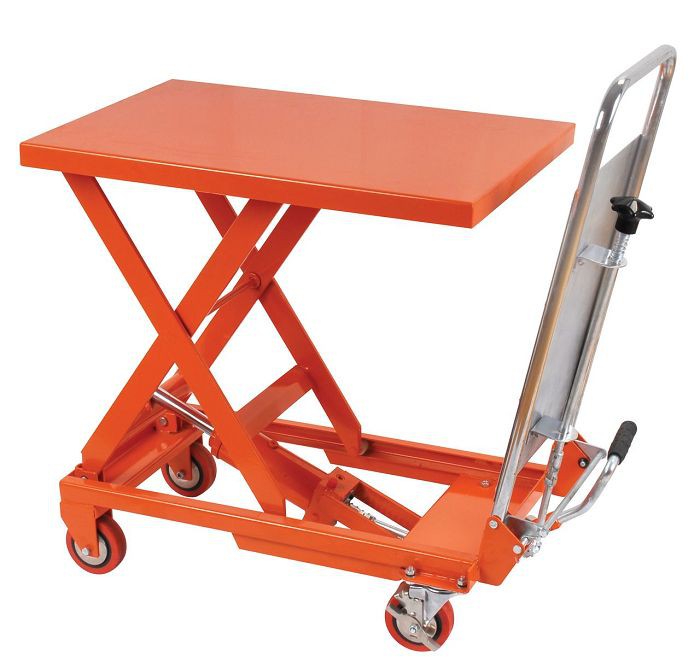

Leaks are another common hydraulic issue. Look for any signs of fluid leakage around the hydraulic hoses, cylinders, and fittings. A small leak might not seem like a big deal, but it can lead to bigger problems over time. If you find a leak, you'll need to identify the source and repair or replace the damaged part.
Sometimes, the hydraulic pump can fail. If you hear a strange noise coming from the pump or the lift isn't responding properly, the pump might be faulty. In this case, it's best to call a professional technician to diagnose and replace the pump if necessary.
Control System Malfunctions
The control system of a scissor lift allows you to operate the machine safely and precisely. If the controls aren't working correctly, it can be a major safety hazard.
Start by checking the control panel for any error messages. Many modern scissor lifts have diagnostic systems that can display error codes. Refer to the operator's manual to understand what these codes mean and how to fix the problems.
If there are no error messages, test the individual controls. Make sure the up and down buttons, as well as any other function buttons, are working. Sometimes, a stuck or damaged button can cause the control system to malfunction. You may need to replace the button if it's faulty.
Also, check the wiring connected to the control panel. Loose or damaged wires can disrupt the signals between the controls and the lift's components. Inspect the wiring harness for any signs of wear or damage and repair or replace it as needed.
Structural and Mechanical Issues
The structural integrity of a scissor lift is crucial for safe operation. Check the scissor arms for any signs of damage, such as cracks or bends. A damaged scissor arm can compromise the stability of the lift and pose a serious safety risk. If you find any damage, stop using the lift immediately and contact a professional for repair.
The rollers and bearings in the scissor mechanism also need to be inspected regularly. Worn - out rollers or bearings can cause the lift to operate roughly or make strange noises. Lubricate the moving parts as recommended by the manufacturer to reduce friction and wear.
The platform of the scissor lift should also be in good condition. Check for any signs of damage or weakness, especially around the guardrails. A damaged platform can be dangerous for the operator.
Other Considerations
Before you start troubleshooting, always make sure the lift is on a level surface and the brakes are engaged. This will prevent the lift from moving unexpectedly during the troubleshooting process.
It's also a good idea to keep a maintenance log for your scissor lift. Record any issues you encounter, the steps you take to troubleshoot them, and the results. This can help you track the lift's performance over time and identify any recurring problems.
If you're not comfortable troubleshooting the scissor lift on your own, don't hesitate to call a professional technician. They have the expertise and tools to diagnose and fix complex problems safely.
Now, if you're in the market for a new scissor lift or need replacement parts for your existing one, we're here to help. We offer a wide range of scissor lifts, as well as related products like Articulated Boom Lift, Manual Hydraulic Platform Truck, and Freight Elevator. Whether you're a small business or a large construction company, we can provide you with the right equipment to meet your needs.
If you have any questions or want to discuss your requirements, feel free to reach out to us. We're always happy to have a chat and help you find the best solution for your lifting needs.
References
- Scissor Lift Operator's Manuals
- Industry - specific safety and maintenance guidelines
- Manufacturer's technical support resources


