

Hey there! As a supplier of Hand Chain Hoists, I've seen my fair share of issues with these handy tools. In this blog, I'm gonna walk you through how to troubleshoot a hand chain hoist. Whether you're a DIY enthusiast or a professional in the industry, these tips can save you time and money.
Understanding the Basics of a Hand Chain Hoist
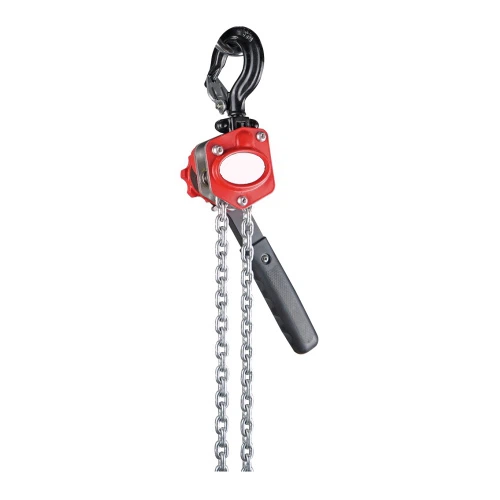
Before we dive into troubleshooting, let's quickly go over what a hand chain hoist is. A hand chain hoist is a manual lifting device that uses a chain to lift and lower heavy loads. It's a popular choice for many industries because it's relatively simple to operate and doesn't require any power source other than human muscle.
There are different types of manual lifting tools out there, like the Hand Lever Hoist and the Hand Winch. But today, we're focusing on the Hand Chain Hoist.
Common Problems and How to Fix Them
1. Chain Jamming
One of the most common issues with a hand chain hoist is chain jamming. This can happen for a few reasons. Maybe there's dirt or debris in the chain, or the chain is misaligned.
- Check for Dirt and Debris: First, take a close look at the chain. If you see any dirt, dust, or small particles, clean the chain with a brush and some lubricant. You can use a mild degreaser to remove stubborn grime. Make sure to dry the chain thoroughly before using it again.
- Inspect for Misalignment: Sometimes, the chain can get misaligned inside the hoist. Open the hoist cover carefully and check if the chain is properly seated on the gears and sprockets. If it's not, gently realign the chain and make sure it moves smoothly.
2. Difficulty in Lifting or Lowering
If you're having trouble lifting or lowering the load, there could be a few culprits.
- Overloading: The most obvious reason could be that you're trying to lift a load that's too heavy for the hoist. Every hand chain hoist has a rated capacity, and you should never exceed it. Check the manufacturer's specifications to make sure you're within the limit.
- Worn Gears or Sprockets: Over time, the gears and sprockets in the hoist can wear out. This can cause a decrease in efficiency and make it harder to lift or lower the load. Inspect the gears and sprockets for signs of wear, such as teeth that are chipped or worn down. If you notice any significant wear, it's best to replace the parts.
3. Hoist Not Holding the Load
If the hoist doesn't hold the load in place, it's a serious safety issue.
- Brake Problems: The brake is responsible for holding the load in place. If the brake is not working properly, the load can slip. Check the brake mechanism for any signs of damage or wear. Make sure the brake pads are in good condition and that they're making proper contact with the braking surface. If necessary, adjust or replace the brake pads.
- Loose Fasteners: Sometimes, loose fasteners can cause the hoist to lose its grip on the load. Check all the bolts and nuts on the hoist and make sure they're tightened properly.
4. Noisy Operation
A noisy hand chain hoist can be annoying and may also indicate a problem.
- Lack of Lubrication: If the hoist is making a lot of noise, it could be because the moving parts are not properly lubricated. Apply a high-quality lubricant to the gears, sprockets, and chain. Make sure to follow the manufacturer's recommendations for the type of lubricant to use.
- Worn Bearings: Worn bearings can also cause noise. Inspect the bearings for signs of wear, such as play or roughness. If you suspect the bearings are worn, replace them as soon as possible.
Regular Maintenance is Key
To prevent these problems from happening in the first place, regular maintenance is crucial. Here are some maintenance tips:
- Clean the Hoist Regularly: As mentioned earlier, dirt and debris can cause a lot of problems. Clean the hoist after each use, especially if it's been used in a dirty or dusty environment.
- Lubricate the Moving Parts: Lubrication is essential for the smooth operation of the hoist. Follow the manufacturer's guidelines on how often to lubricate the parts.
- Inspect the Hoist Periodically: Set a schedule to inspect the hoist for any signs of wear or damage. Check the chain, gears, sprockets, brakes, and fasteners regularly.
When to Call a Professional
While many problems with a hand chain hoist can be fixed by the user, there are times when it's best to call a professional. If you're not comfortable working on the hoist or if you're not sure what the problem is, it's better to seek expert help. A professional can diagnose the problem accurately and make the necessary repairs.
Conclusion
Troubleshooting a hand chain hoist doesn't have to be a headache. By understanding the common problems and how to fix them, you can keep your hoist in good working condition. Remember, regular maintenance is the key to preventing issues and ensuring the safety and efficiency of your hand chain hoist.
If you're in the market for a new hand chain hoist or need replacement parts, we're here to help. We offer a wide range of high-quality Hand Chain Hoists and related products. Contact us to discuss your requirements and let's find the perfect solution for you.

References
- Manufacturer's manuals for hand chain hoists
- Industry standards and guidelines for manual lifting equipment


