

Hey there! If you're in the business of moving heavy loads, you know how crucial it is to have the right equipment. As a supplier of hydraulic pallet trucks, I've seen firsthand how these nifty machines can make your life a whole lot easier. In this blog, I'm gonna walk you through the ins and outs of transporting a heavy load with a hydraulic pallet truck.
Understanding Your Hydraulic Pallet Truck
First things first, let's get to know the hydraulic pallet truck. It's a simple yet powerful piece of equipment designed to lift and move heavy pallets. The basic idea is that you use a hydraulic pump to raise the forks, slide them under the pallet, and then lower the load onto the forks. Once the load is secure, you can wheel it to its destination.
There are different types of hydraulic pallet trucks out there. The Manual Hydraulic Pallet Truck is a classic. It's operated by hand, so you have to pump the handle to raise the forks. It's great for smaller loads and places where you don't need to move things around too quickly.
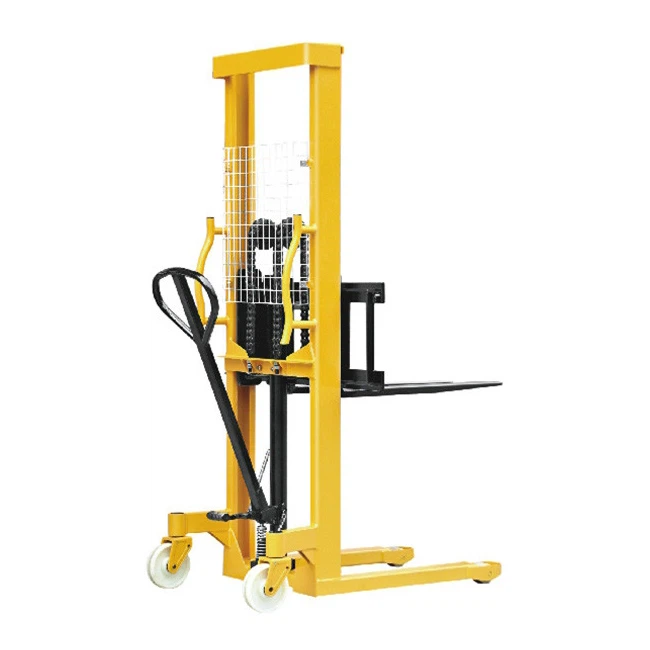
On the other hand, if you're dealing with heavier loads or need to move things faster, you might want to check out Manual Stacker Trucks. These are a bit more advanced and can lift loads higher, which is handy if you need to stack pallets.
And then there's the Electric Flat Car. This one is powered by electricity, so it can handle really heavy loads with ease. It's perfect for large warehouses or industrial settings.
Preparing for the Job
Before you start using your hydraulic pallet truck, you need to do a few things to make sure everything goes smoothly.
Inspect the Truck
First, give your hydraulic pallet truck a good once-over. Check the forks for any signs of damage, like cracks or bends. Make sure the wheels are in good condition and spin freely. Also, check the hydraulic system for leaks. If you notice any problems, don't use the truck until you've fixed them.
Choose the Right Truck
As I mentioned earlier, there are different types of hydraulic pallet trucks for different jobs. Make sure you choose the one that's right for the load you're going to be moving. If you're not sure, don't hesitate to ask for advice. That's what we're here for!
Plan Your Route
Take a look at the area where you'll be moving the load. Make sure there are no obstacles in the way, like boxes or equipment. Also, check for any uneven surfaces or slopes. If there are slopes, be extra careful when moving the load up or down.

Wear the Right Gear
Safety first, folks! Make sure you're wearing the right protective gear, like safety shoes and gloves. This will help prevent injuries in case something goes wrong.
Loading the Pallet
Now that you're all set up, it's time to load the pallet onto the hydraulic pallet truck.
Position the Truck
Back the hydraulic pallet truck up to the pallet so that the forks are lined up with the openings in the pallet. Make sure the forks are as far under the pallet as possible.
Raise the Forks
Use the hydraulic pump to raise the forks until they're just above the ground. You don't want to raise them too high, or the load might become unstable.
Secure the Load
Once the forks are under the pallet, lower the forks slightly so that the load is resting securely on the forks. Make sure the load is centered on the forks and not hanging off the sides.
Check the Stability
Before you start moving the load, give it a little shake to make sure it's stable. If the load seems wobbly, adjust it until it's secure.
Moving the Load
Now that the load is on the hydraulic pallet truck, it's time to move it to its destination.
Push or Pull the Truck
Use your hands to push or pull the hydraulic pallet truck in the direction you want to go. Make sure you're using your legs to do the work, not your back. This will help prevent back injuries.
Go Slowly
When moving a heavy load, it's important to go slowly. This will give you more control over the truck and the load. If you go too fast, you might lose control and cause an accident.
Watch Your Surroundings
Keep an eye on your surroundings at all times. Make sure there are no other people or vehicles in the way. Also, be careful when turning corners. Make sure you have enough space to turn without hitting anything.
Unloading the Pallet
Once you've reached your destination, it's time to unload the pallet.
Lower the Forks
Use the hydraulic pump to lower the forks until the pallet is resting on the ground. Make sure the pallet is stable before you completely lower the forks.
Back the Truck Away
Once the pallet is on the ground, back the hydraulic pallet truck away from the pallet. Make sure the forks are clear of the pallet before you start moving.
Maintenance and Care
To keep your hydraulic pallet truck in good condition, you need to take care of it.
Clean the Truck
After each use, clean the hydraulic pallet truck to remove any dirt or debris. This will help prevent corrosion and damage to the truck.
Lubricate the Moving Parts
Regularly lubricate the moving parts of the hydraulic pallet truck, like the wheels and the hydraulic pump. This will help keep the truck running smoothly.
Service the Hydraulic System
Have the hydraulic system of your hydraulic pallet truck serviced regularly by a professional. This will help prevent leaks and other problems.
Conclusion
Transporting a heavy load with a hydraulic pallet truck doesn't have to be a hassle. By following these simple steps, you can do it safely and efficiently. Remember, if you have any questions or need help choosing the right hydraulic pallet truck for your job, don't hesitate to get in touch. We're here to help you find the best solution for your needs. Whether you're a small business owner or part of a large industrial operation, we've got the equipment and expertise to make your material handling tasks a breeze. So, if you're in the market for a hydraulic pallet truck or any other lifting and handling equipment, let's start a conversation. We're ready to assist you with your procurement needs and ensure you get the most out of your investment.
References
- General knowledge of hydraulic pallet truck operation and safety.
- Industry best practices for material handling equipment.


