

Transporting a hand chain hoist requires careful planning and execution to ensure its safety and functionality upon arrival. As a Hand Chain Hoist supplier, I've encountered various scenarios and learned the best practices for transporting these essential tools. In this blog, I'll share some valuable insights on how to transport a hand chain hoist effectively.
Understanding the Hand Chain Hoist
Before delving into the transportation process, it's crucial to understand the hand chain hoist itself. A Hand Chain Hoist is a manually operated device used for lifting and lowering heavy loads. It consists of a chain, a lifting mechanism, and a hook. These hoists are commonly used in construction, manufacturing, and maintenance industries due to their portability and ease of use.
Pre - transportation Preparation
- Inspection:
- Before transporting the hand chain hoist, conduct a thorough inspection. Check for any visible damage to the chain, hooks, or the lifting mechanism. Look for signs of wear and tear, such as frayed chains or loose parts. If any issues are found, repair or replace the damaged components to ensure the hoist's safety during transportation and subsequent use.
- Test the hoist's operation to make sure it functions properly. This includes checking the smoothness of the chain movement and the locking mechanism.
- Cleaning:
- Clean the hand chain hoist to remove any dirt, debris, or grease. A clean hoist is less likely to attract pests during transportation and is easier to handle. Use a suitable cleaning agent and a soft brush to clean the chain, hooks, and the body of the hoist.
- After cleaning, dry the hoist thoroughly to prevent rusting. You can use a clean cloth or let it air - dry in a well - ventilated area.
- Disassembly (if necessary):
- In some cases, it may be beneficial to disassemble the hand chain hoist for easier transportation. However, this should only be done if you have the necessary skills and tools. If you decide to disassemble, label all the parts clearly to ensure easy reassembly later. Keep small parts, such as nuts and bolts, in a sealed container.
Packaging
- Selecting the Right Packaging Material:
- For smaller hand chain hoists, a sturdy cardboard box can be sufficient. Make sure the box is large enough to accommodate the hoist with some extra space for padding.
- For larger or more delicate hoists, a wooden crate may be a better option. Wooden crates provide more protection against impacts and can be customized to fit the hoist's dimensions.
- Padding:
- Use appropriate padding materials to protect the hand chain hoist during transportation. Foam sheets, bubble wrap, or packing peanuts can be used to cushion the hoist. Place the padding around the hoist, especially on the corners and edges, to absorb any shocks during transit.
- If the hoist has a chain, coil it neatly and secure it with a tie - wrap or a small piece of rope. Then, place the coiled chain in a separate padded compartment within the packaging to prevent it from getting tangled or damaged.
Choosing the Right Transportation Method
- Local Delivery:
- For local deliveries, a van or a truck can be used. Make sure the vehicle is clean and dry to prevent any damage to the hoist. Secure the packaged hoist in the vehicle using straps or ropes to prevent it from shifting during transit.
- If transporting multiple hoists, stack them carefully and use dividers if necessary to prevent them from rubbing against each other.
- Long - distance Shipping:
- When shipping a hand chain hoist over long distances, consider using a professional freight carrier. Research different carriers and compare their services, prices, and delivery times.
- Provide the carrier with accurate information about the hoist's dimensions, weight, and any special handling requirements. This will help them choose the appropriate shipping method and ensure the hoist's safe transportation.
- If shipping internationally, be aware of the customs regulations of the destination country. You may need to provide additional documentation, such as a commercial invoice and a certificate of origin.
Handling During Transportation
- Loading and Unloading:
- When loading the hand chain hoist onto the transportation vehicle, use proper lifting equipment, such as a forklift or a pallet jack. Lift the hoist carefully to avoid any sudden movements or impacts.
- Unloading should also be done with caution. Follow the same safety procedures as loading to prevent damage to the hoist.
- Storage During Transit:
- If the hoist needs to be stored during transit, make sure it is stored in a dry, secure place. Avoid storing it in areas prone to extreme temperatures, humidity, or direct sunlight, as these conditions can damage the hoist.
Post - transportation Checks
- Inspection upon Arrival:
- Once the hand chain hoist arrives at its destination, conduct another inspection. Check for any signs of damage that may have occurred during transportation. Look for dents, scratches, or any other visible issues.
- Test the hoist's operation again to ensure it still functions properly. If any problems are found, contact the transportation carrier immediately to file a claim.
- Reassembly (if disassembled):
- If the hoist was disassembled for transportation, reassemble it following the labels and instructions you made during disassembly. Use the appropriate tools and make sure all parts are tightened securely.
Other Related Tools and Their Transportation
In addition to hand chain hoists, we also supply other related manual tools such as Hand Winch and Hand Lever Hoist. The transportation principles for these tools are similar to those of hand chain hoists. However, due to their different designs and functions, some adjustments may be needed.

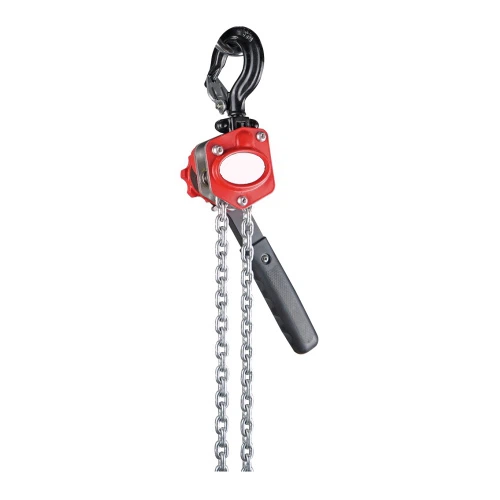
For hand winches, pay special attention to the cable. Coil the cable neatly and protect it from sharp objects during transportation. Hand lever hoists may have more complex mechanisms, so ensure that all moving parts are properly lubricated and protected before packaging.
Conclusion
Transporting a hand chain hoist requires attention to detail at every step, from pre - transportation preparation to post - transportation checks. By following these guidelines, you can ensure that your hand chain hoist arrives at its destination safely and in good working condition.
If you're in the market for a high - quality hand chain hoist, hand winch, or hand lever hoist, we're here to help. Our products are designed to meet the highest standards of quality and safety. Contact us to discuss your specific requirements and let's start a fruitful business relationship.
References
- Industry standards for manual hoist transportation
- Manufacturer's guidelines for hand chain hoist maintenance and transportation


