

Securing an Articulated Boom Lift during high - wind conditions is of utmost importance to ensure the safety of operators and the integrity of the equipment. As an Articulated Boom Lift supplier, I understand the challenges that high winds pose to these machines and have gathered comprehensive knowledge on how to handle such situations effectively.
Understanding the Risks
High winds can significantly affect the stability of an Articulated Boom Lift. The extended boom acts as a large surface area that catches the wind, creating a leverage effect that can tip the lift over. Additionally, strong gusts can make it difficult to control the movement of the boom, increasing the risk of collisions with nearby structures or objects. Wind speeds above a certain threshold can also cause structural damage to the lift, especially if it is not properly secured.
Pre - operation Checks
Before using an Articulated Boom Lift in any weather conditions, a thorough pre - operation check is essential. In high - wind situations, these checks become even more critical. First, review the manufacturer's guidelines for wind speed limits. Most Articulated Boom Lifts have a maximum wind speed rating, and operating the lift beyond this limit is extremely dangerous.
Inspect the lift for any signs of damage or wear, particularly in the boom joints, hydraulic systems, and outriggers. Ensure that all safety devices, such as tilt sensors and emergency stop buttons, are functioning correctly. Check the tires for proper inflation and the condition of the tread, as good traction is crucial for stability.
Site Assessment
Conduct a detailed site assessment to identify potential wind hazards. Look for natural wind funnels, such as between buildings or in valleys, where wind speeds can be significantly higher than the surrounding area. Consider the direction of the wind and how it will affect the position and movement of the lift.
If possible, choose a location with some natural windbreaks, such as large trees or buildings, to reduce the impact of the wind on the lift. However, be cautious of the potential for falling branches or debris from these structures during high winds.
Proper Setup
The correct setup of the Articulated Boom Lift is vital for its stability in high - wind conditions. Ensure that the outriggers are fully extended and properly leveled. The outriggers provide a wider base of support, reducing the risk of tipping. Use a spirit level to confirm that the lift is level both horizontally and vertically.
Position the lift so that the boom is facing into the wind as much as possible. This reduces the surface area exposed to the wind and minimizes the leverage effect. If the wind direction changes during operation, be prepared to re - position the lift accordingly.
Boom Management
During high - wind conditions, it is important to keep the boom as short as possible. Extending the boom increases the risk of instability, as it creates a longer lever arm and a larger surface area for the wind to act on. Only extend the boom to the minimum length required to complete the task at hand.
Avoid sudden or rapid movements of the boom. Smooth and controlled movements help to maintain the stability of the lift. If the wind is particularly strong, consider using the lift's slow - speed mode to give the operator more precise control.
Operator Training
Well - trained operators are essential for the safe operation of an Articulated Boom Lift in high - wind conditions. Provide comprehensive training on the specific risks associated with high winds and the proper procedures for securing the lift. Train operators on how to read wind speed gauges and how to recognize signs of instability, such as excessive swaying or tilting.
Practice emergency procedures with operators, including how to safely lower the boom and shut down the lift in case of a wind - related emergency. Regularly review and update training programs to ensure that operators are up - to - date with the latest safety information.
Additional Safety Measures
In some cases, additional safety measures may be necessary to secure an Articulated Boom Lift during high - wind conditions. One option is to use guy wires or tie - downs. These can be attached to the boom or the base of the lift and anchored to the ground or nearby structures. However, it is important to ensure that the tie - downs are properly installed and rated for the expected wind loads.
Another safety measure is to use wind deflectors. These devices can be attached to the boom to reduce the wind resistance and the force exerted on the lift. However, wind deflectors should be used in accordance with the manufacturer's recommendations.
Monitoring the Weather
Continuously monitor the weather conditions during the operation of the Articulated Boom Lift. Use weather apps, on - site wind speed gauges, or local weather reports to stay informed about changes in wind speed and direction. If the wind speed approaches or exceeds the manufacturer's recommended limit, stop the operation immediately and secure the lift.
Comparison with Other Lifting Equipment
When considering the use of lifting equipment in high - wind conditions, it is interesting to compare the Articulated Boom Lift with other types of equipment, such as Freight Elevator, Scissor Lift, and Manual Hydraulic Platform Truck.
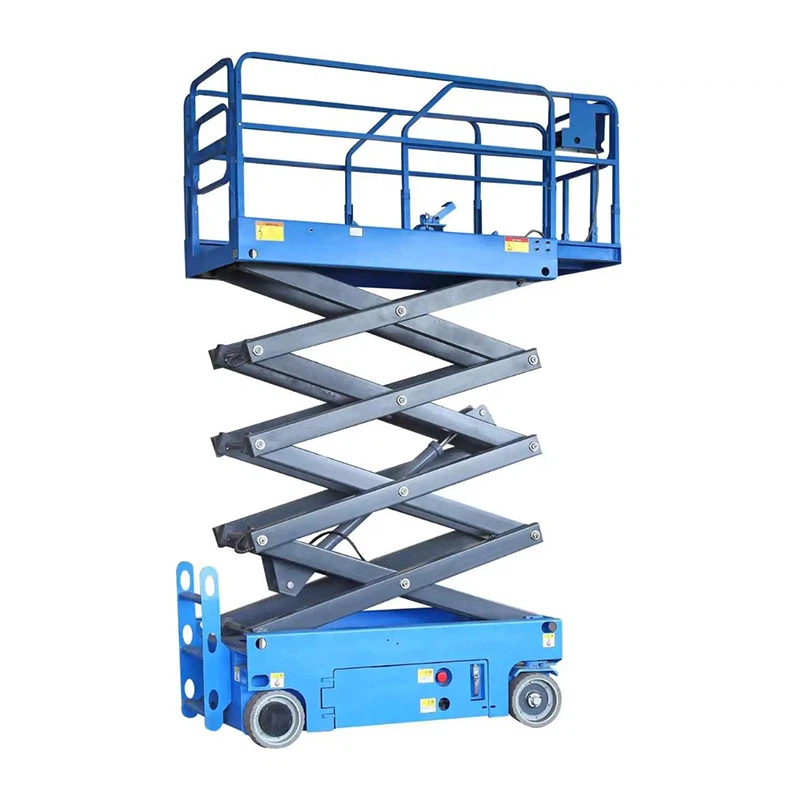
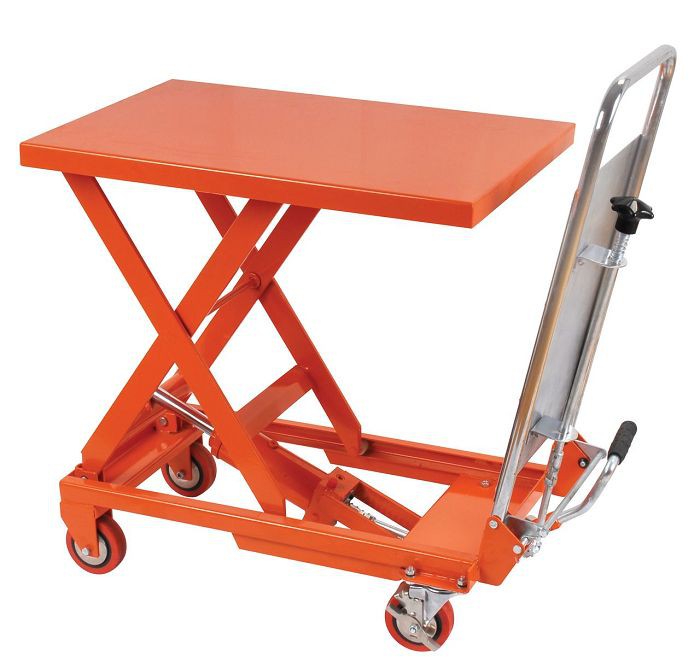
Freight elevators are typically used for vertical transportation of goods in a more enclosed and protected environment. They are less affected by high winds as they are usually installed inside buildings. Scissor lifts, on the other hand, have a more compact and stable design compared to Articulated Boom Lifts. However, their vertical reach is limited, and they may not be suitable for tasks that require access to hard - to - reach areas. Manual hydraulic platform trucks are mainly used for short - distance and low - height material handling and are not designed for aerial work.
Conclusion
Securing an Articulated Boom Lift during high - wind conditions requires a combination of proper pre - operation checks, site assessment, correct setup, boom management, operator training, and continuous weather monitoring. By following these guidelines, operators can minimize the risks associated with high winds and ensure the safe and efficient operation of the lift.
As an Articulated Boom Lift supplier, we are committed to providing our customers with the highest quality equipment and the most comprehensive safety information. If you are interested in purchasing an Articulated Boom Lift or have any questions about operating it in high - wind conditions, please feel free to contact us for a detailed discussion and a customized solution.
References
- Manufacturer's manuals for Articulated Boom Lifts
- OSHA (Occupational Safety and Health Administration) guidelines on aerial work platforms
- Industry research on the effects of high winds on lifting equipment


