

Scissor lifts are indispensable pieces of equipment in various industries, including construction, warehousing, and maintenance. As a scissor lift supplier, I've witnessed firsthand the importance of safety in operating these machines. Scissor lift accidents can lead to severe injuries, fatalities, and significant property damage. Therefore, it's crucial to implement effective prevention strategies to ensure the well - being of operators and the smooth running of operations.
Operator Training
One of the most fundamental steps in preventing scissor lift accidents is comprehensive operator training. Operators should receive both theoretical and practical training before they are allowed to operate a scissor lift. Theoretical training should cover topics such as the lift's components, how it functions, safety features, and potential hazards. Practical training, on the other hand, should involve hands - on experience with the scissor lift under the supervision of a qualified instructor.
According to industry standards, operators must be trained to perform pre - operation checks. This includes inspecting the lift for any visible damage, ensuring that the controls are functioning properly, and checking the hydraulic fluid levels. For example, a damaged guardrail or a malfunctioning control can pose a serious risk during operation. By conducting these checks regularly, operators can identify and address potential issues before they lead to an accident.
In addition to initial training, refresher courses should be provided periodically. Technology in scissor lifts is constantly evolving, and new safety features may be introduced. Refresher courses can help operators stay updated on the latest safety procedures and best practices.
Maintenance and Inspection
Regular maintenance and inspection are vital for the safe operation of scissor lifts. As a scissor lift supplier, I always emphasize to my customers the importance of following the manufacturer's maintenance schedule. This schedule typically includes tasks such as lubricating moving parts, checking the electrical system, and replacing worn - out components.
Lubrication is essential to reduce friction between moving parts, which can prevent mechanical failures. For instance, if the scissor arms are not properly lubricated, they may jam during operation, causing the lift to malfunction. The electrical system should also be inspected regularly to ensure that there are no loose connections or short circuits, as these can lead to electrical fires or sudden loss of power.
Inspections should be carried out by qualified technicians. They should use specialized tools and equipment to check the lift's structural integrity, hydraulic system, and safety devices. For example, a non - destructive testing method can be used to detect any hidden cracks in the lift's frame. If a defect is found during an inspection, the lift should be taken out of service immediately and repaired before it is put back into operation.
Safe Working Environment
Creating a safe working environment is another key factor in preventing scissor lift accidents. The area where the scissor lift will be used should be free of obstacles, debris, and slippery surfaces. For example, in a construction site, tools and materials should be properly stored to prevent them from getting in the way of the lift's movement.
The ground surface where the scissor lift is placed must be stable and level. Uneven ground can cause the lift to tip over, especially when it is extended to its maximum height. If the ground is soft or unstable, appropriate measures such as using outriggers or stabilizing pads should be taken to ensure the lift's stability.
When working indoors, proper ventilation should be provided, especially if the scissor lift is powered by a combustion engine. Exhaust fumes from the engine can be harmful to operators, and in some cases, they can even cause asphyxiation. Adequate lighting is also necessary to ensure that operators can see clearly and avoid collisions with other objects or people.
Use of Safety Equipment
The use of appropriate safety equipment is essential for preventing scissor lift accidents. Operators should always wear personal protective equipment (PPE), such as hard hats, safety glasses, and safety harnesses. A safety harness can prevent operators from falling off the lift platform in case of an unexpected movement or malfunction.
In addition to PPE, the scissor lift itself should be equipped with safety devices. These include guardrails, emergency stop buttons, and overload sensors. Guardrails provide a physical barrier to prevent operators from accidentally falling off the platform. Emergency stop buttons allow operators to quickly stop the lift in case of an emergency. Overload sensors can detect when the lift is carrying more weight than it is designed to handle and prevent it from operating, thus avoiding potential structural failures.
Adherence to Regulations
Adhering to relevant regulations and standards is crucial for preventing scissor lift accidents. Different countries and regions have their own set of regulations regarding the use of scissor lifts. These regulations cover aspects such as operator training, maintenance requirements, and safety features.
For example, in the United States, the Occupational Safety and Health Administration (OSHA) has specific standards for scissor lift safety. Operators must comply with these standards to ensure the safety of themselves and others. Failure to comply with regulations can result in fines and legal consequences. As a scissor lift supplier, I always make sure that my products meet all the relevant safety standards and provide my customers with the necessary documentation to prove compliance.
Risk Assessment
Before using a scissor lift, a thorough risk assessment should be conducted. This involves identifying potential hazards associated with the task, the working environment, and the scissor lift itself. For example, if the lift will be used near electrical lines, there is a risk of electrocution. By identifying this hazard, appropriate measures can be taken, such as maintaining a safe distance from the electrical lines or using insulated equipment.
The risk assessment should also consider the experience and skill level of the operator. If an operator is inexperienced, additional supervision or training may be required. Based on the results of the risk assessment, a risk mitigation plan should be developed. This plan should outline the steps that will be taken to reduce or eliminate the identified risks.
Communication
Effective communication is essential for preventing scissor lift accidents. Operators should communicate with each other and with other workers in the area. For example, if an operator is planning to move the scissor lift, they should notify other workers in the vicinity to avoid collisions.
In addition, clear signage should be used to indicate the area where the scissor lift is operating and any potential hazards. For example, signs can be used to warn workers about the maximum load capacity of the lift or the safe distance to maintain from the lift.
Conclusion
Preventing scissor lift accidents requires a comprehensive approach that includes operator training, maintenance and inspection, creating a safe working environment, using safety equipment, adhering to regulations, conducting risk assessments, and effective communication. As a scissor lift supplier, I am committed to providing high - quality products and supporting my customers in implementing these safety measures.
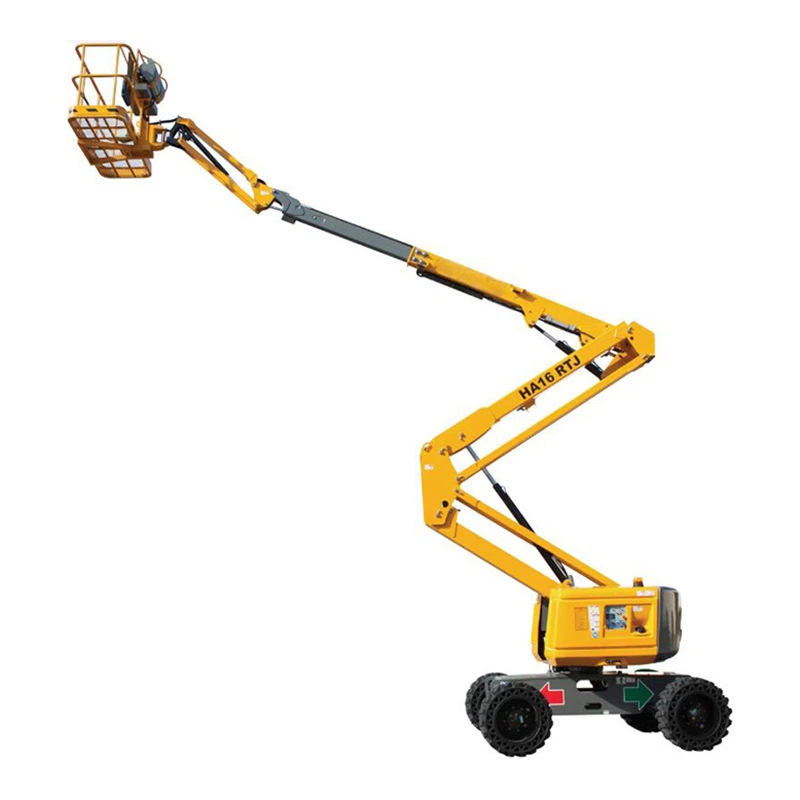
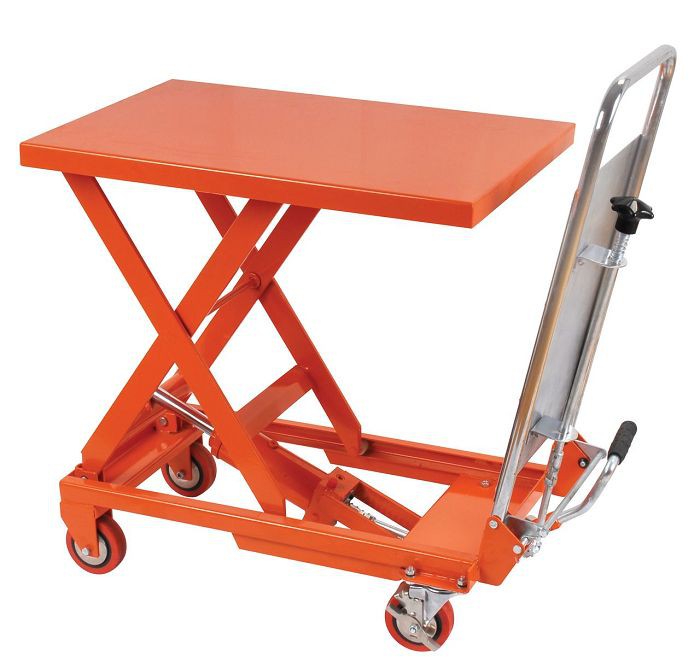
If you are in the market for a scissor lift or other lifting equipment such as Manual Hydraulic Platform Truck and Articulated Boom Lift, please visit our website Scissor Lift to learn more about our products. We are more than happy to assist you in finding the right equipment for your needs and ensuring that you have all the necessary information to operate it safely. Contact us for procurement and let's discuss how we can meet your lifting requirements.
References
- Occupational Safety and Health Administration (OSHA). "Scissor Lift Safety Standards."
- Manufacturer's manuals for scissor lifts.
- Industry best practice guidelines for scissor lift operation and maintenance.


