

Operating an articulated boom lift safely is of paramount importance to prevent accidents and ensure the well - being of operators and those in the vicinity. As a supplier of articulated boom lifts, I have witnessed firsthand the significance of proper safety protocols. In this blog, I will share comprehensive guidelines on how to operate an articulated boom lift safely.
Pre - operation Checks
Before starting to operate an articulated boom lift, a series of pre - operation checks are essential. First, visually inspect the entire lift. Check the tires for proper inflation and any signs of damage. Worn or under - inflated tires can affect the stability of the lift. Also, examine the outriggers if the lift is equipped with them. The outriggers should be in good condition, and their extension and retraction mechanisms should work smoothly.
Inspect the boom structure for any visible cracks, bends, or signs of wear. Pay special attention to the joints and connections. A damaged boom can lead to catastrophic failures during operation. The hydraulic system is another critical component. Look for any leaks in the hydraulic hoses and cylinders. Leaking hydraulic fluid can not only reduce the lift's performance but also pose a safety hazard.
Check the electrical system as well. Ensure that all the controls are functioning properly, the warning lights are working, and the battery is fully charged. Faulty electrical components can cause unexpected movements of the lift or prevent it from operating correctly.
Operator Training
Proper training is the foundation of safe operation. Operators should receive comprehensive training from a qualified instructor. The training should cover both theoretical knowledge and practical skills.
Theoretical training should include an understanding of the lift's specifications, such as its maximum load capacity, working height, and horizontal reach. Operators need to know the limitations of the lift to avoid overloading or overextending it. They should also learn about the safety features of the lift, such as emergency stop buttons, tilt sensors, and overload protection systems.
Practical training involves hands - on experience in operating the lift. Operators should practice moving the boom up, down, and sideways, as well as extending and retracting it. They should also learn how to use the outriggers correctly to ensure stability. Training should also include emergency procedures, such as how to lower the boom safely in case of a power failure or other malfunctions.
Site Assessment
Before using the articulated boom lift at a particular site, a thorough site assessment is necessary. Evaluate the ground conditions. The ground should be firm, level, and able to support the weight of the lift. Soft or uneven ground can cause the lift to tip over. If the ground is not suitable, measures such as using stabilizing pads or compacting the soil may be required.
Identify any potential hazards in the area, such as overhead power lines, trees, or other obstacles. Keep a safe distance from power lines, as even a small contact can result in electrocution. Mark the hazards clearly and ensure that the operator is aware of them.
Consider the weather conditions. High winds, rain, or snow can affect the stability and operation of the lift. Do not operate the lift in adverse weather conditions unless it is specifically designed for such environments and all necessary safety precautions are taken.
Operating Procedures
When operating the articulated boom lift, follow these key procedures. First, always wear appropriate personal protective equipment (PPE), including a hard hat, safety harness, and non - slip shoes. The safety harness should be securely attached to the designated anchor points on the lift.
Before moving the lift, make sure that all personnel in the vicinity are aware of the operation and are at a safe distance. Use the controls smoothly and gradually. Avoid sudden movements, as they can cause the lift to become unstable.
When extending the boom, do it in a controlled manner. Do not exceed the maximum reach or height specified by the manufacturer. Pay attention to the load capacity of the lift and do not overload it. If you need to lift heavy objects, distribute the weight evenly in the work platform.
During operation, keep an eye on the control panel for any warning lights or abnormal readings. If you notice any problems, stop the operation immediately and follow the emergency procedures.
Maintenance and Inspection
Regular maintenance and inspection are crucial for the safe operation of the articulated boom lift. Follow the manufacturer's recommended maintenance schedule. This includes tasks such as changing the hydraulic fluid, lubricating the moving parts, and inspecting the electrical connections.
Conduct daily inspections before each use. Check for any loose bolts, nuts, or other components. Also, test the safety features to ensure that they are working properly.
Periodic inspections by a qualified technician are also necessary. These inspections can identify potential problems that may not be apparent during daily checks. The technician can perform more in - depth tests and make any necessary repairs or adjustments.
Comparison with Other Lifting Equipment
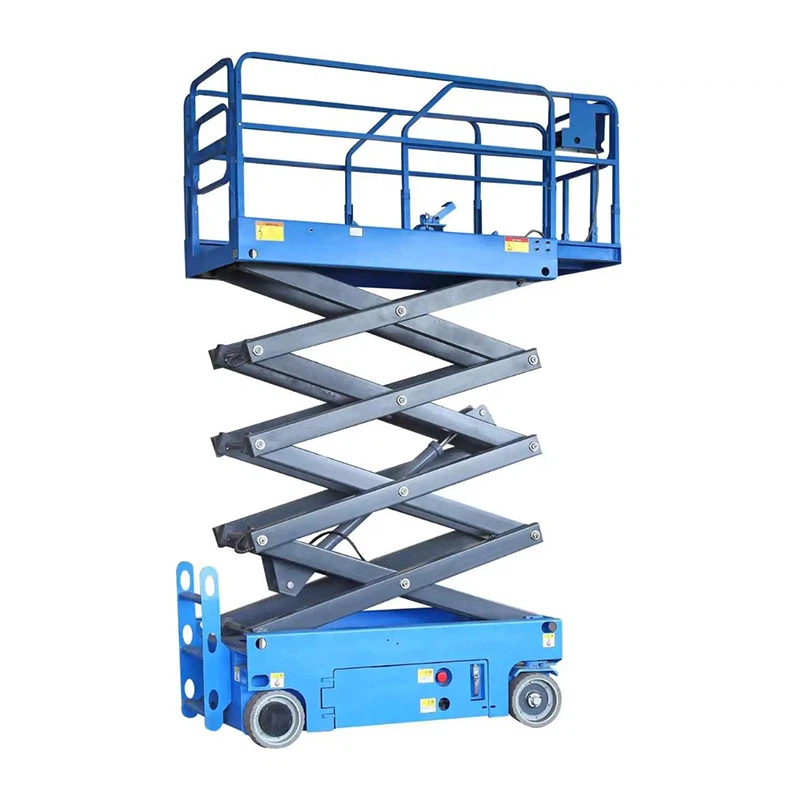
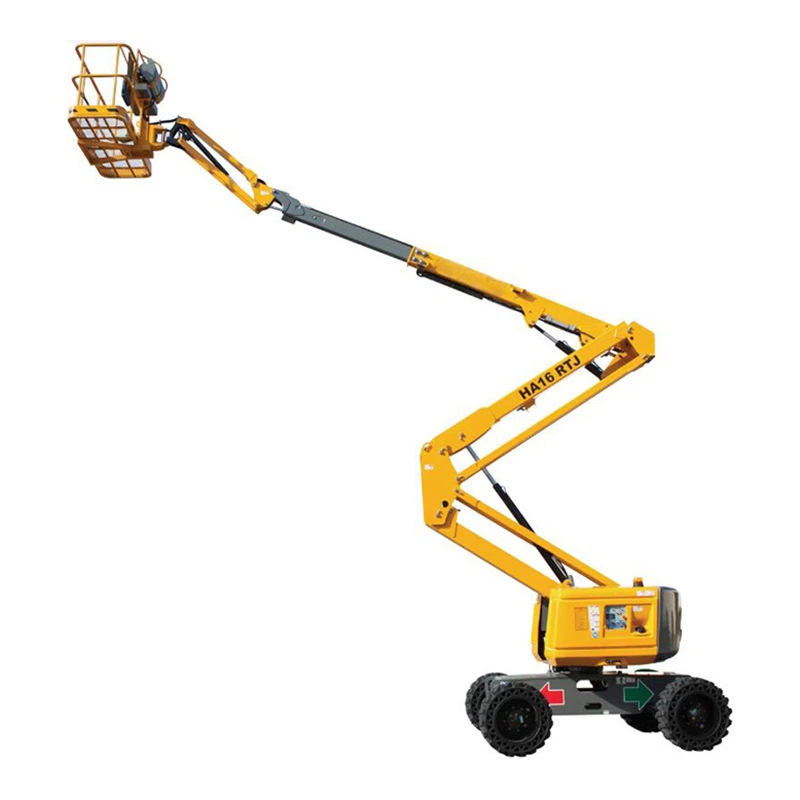
Articulated boom lifts have their unique advantages compared to other types of lifting equipment such as Freight Elevator and Scissor Lift. Unlike freight elevators, which are mainly used for vertical transportation of goods, articulated boom lifts offer greater flexibility in reaching different heights and angles. They can be maneuvered around obstacles and are suitable for tasks such as building maintenance, tree trimming, and construction work.
Compared to scissor lifts, articulated boom lifts can reach greater heights and have a more extensive horizontal reach. Scissor lifts are more suitable for tasks that require a stable platform at a relatively lower height, such as indoor maintenance work. However, when it comes to accessing hard - to - reach areas, articulated boom lifts are the better choice.
Conclusion
Operating an articulated boom lift safely requires a combination of proper pre - operation checks, operator training, site assessment, and adherence to operating procedures. Regular maintenance and inspection are also essential to keep the lift in good working condition.
As a supplier of Articulated Boom Lift, I am committed to providing high - quality equipment and sharing safety knowledge with our customers. If you are in the market for an articulated boom lift or have any questions about its safe operation, please feel free to contact us for further discussion and potential procurement.
References
- Manufacturer's operation and maintenance manuals for articulated boom lifts.
- Occupational Safety and Health Administration (OSHA) standards for aerial work platforms.
- Industry best practices and guidelines for safe operation of lifting equipment.


