

Handling a hydraulic pallet truck in an emergency is a critical skill that every operator and warehouse manager should possess. As a trusted hydraulic pallet truck supplier, we understand the importance of safety and efficiency in material handling operations. In this blog post, we will discuss the key steps and best practices for handling a hydraulic pallet truck during emergencies.
1. Understanding the Basics of Hydraulic Pallet Trucks
Before delving into emergency handling, it's essential to have a solid understanding of how hydraulic pallet trucks work. These trucks are commonly used in warehouses, distribution centers, and manufacturing facilities to move heavy pallets and goods. They operate on a simple hydraulic principle, where a pump mechanism is used to lift and lower the forks.
There are different types of hydraulic pallet trucks available, including Manual Hydraulic Pallet Truck, which require manual pumping to lift the load, and electric models that offer more automation and ease of use. Each type has its own set of features and benefits, but the basic emergency handling principles remain the same.
2. Common Emergencies with Hydraulic Pallet Trucks
Several emergencies can occur when operating a hydraulic pallet truck. Some of the most common ones include:
2.1 Fork Failure
The forks of a hydraulic pallet truck can fail due to overloading, wear and tear, or improper use. A fork failure can lead to the load dropping, which can cause damage to the goods, the truck, and potentially injure nearby personnel.
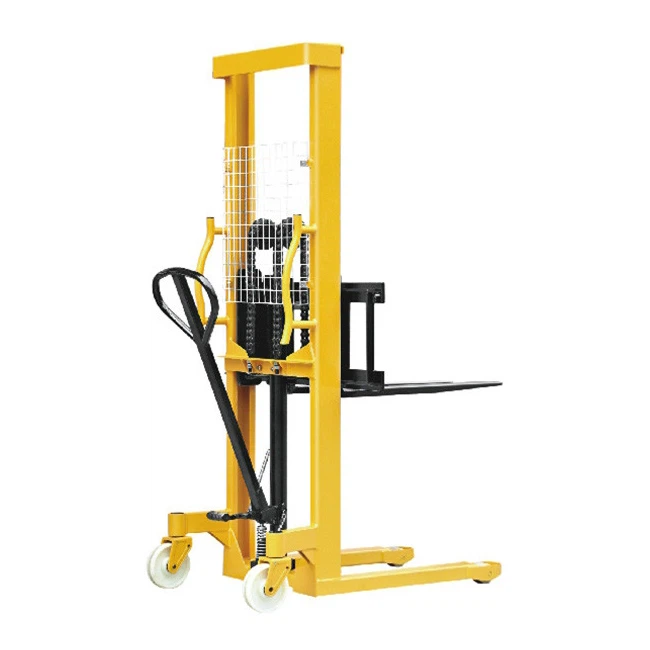

2.2 Hydraulic System Leak
A leak in the hydraulic system can result in a loss of pressure, making it difficult or impossible to lift or lower the forks. This can be caused by damaged hoses, seals, or valves.
2.3 Electrical Malfunction (for Electric Pallet Trucks)
Electric pallet trucks rely on electrical components to operate. A malfunction in the electrical system, such as a blown fuse or a faulty motor, can cause the truck to stop working or behave erratically.
2.4 Collision
Collisions can occur when the operator loses control of the pallet truck or when there are obstacles in the path. A collision can damage the truck, the load, and the surrounding infrastructure.
3. Emergency Response Procedures
3.1 Fork Failure
- Immediate Action: If you notice a fork failure, stop the truck immediately and do not attempt to move the load further. Use caution when approaching the truck to avoid being hit by the falling load.
- Secure the Load: If possible, use additional support, such as blocks or braces, to secure the load and prevent it from falling.
- Isolate the Area: Mark off the area around the truck to prevent other personnel from entering and potentially getting injured.
- Contact Maintenance: Notify your maintenance team or a qualified technician to assess the damage and repair the forks.
3.2 Hydraulic System Leak
- Stop the Truck: As soon as you detect a hydraulic leak, stop the truck and turn off the power (if it's an electric model).
- Assess the Leak: Look for the source of the leak. If it's a minor leak, you may be able to tighten a connection or replace a seal. However, if the leak is significant, do not attempt to repair it yourself.
- Prevent Slip Hazards: Clean up any hydraulic fluid that has leaked onto the floor to prevent slip and fall accidents.
- Call for Repair: Contact your maintenance team or a professional hydraulic technician to repair the leak.
3.3 Electrical Malfunction (for Electric Pallet Trucks)
- Turn Off the Power: Immediately turn off the power switch to prevent further damage or electrical shock.
- Check the Fuses: Inspect the fuses to see if any are blown. If a fuse is blown, replace it with a fuse of the same rating.
- Do Not Tamper: Do not attempt to open the electrical components or make any repairs unless you are a qualified electrician.
- Seek Professional Help: Contact an electrician or the manufacturer's technical support to diagnose and repair the electrical malfunction.
3.4 Collision
- Check for Injuries: First, check if anyone has been injured in the collision. If there are injuries, call for medical assistance immediately.
- Assess the Damage: Examine the pallet truck, the load, and the surrounding area for damage. Take photos of the damage for insurance and documentation purposes.
- Move the Truck (if Safe): If the truck is not severely damaged and it's safe to do so, move it to a safe location to clear the path.
- Report the Incident: Report the collision to your supervisor or the appropriate authority. Provide detailed information about the incident, including the time, location, and circumstances.
4. Preventive Measures
Preventing emergencies is always better than dealing with them. Here are some preventive measures you can take to minimize the risk of emergencies with hydraulic pallet trucks:
4.1 Regular Maintenance
- Schedule Inspections: Conduct regular inspections of the hydraulic pallet truck, including the forks, hydraulic system, electrical components (for electric models), and brakes.
- Follow Maintenance Schedule: Adhere to the manufacturer's recommended maintenance schedule for servicing and lubrication.
- Replace Worn Parts: Replace any worn or damaged parts promptly to prevent further problems.
4.2 Operator Training
- Provide Comprehensive Training: Ensure that all operators are properly trained on the safe operation of hydraulic pallet trucks. Training should include how to load and unload pallets, how to maneuver the truck, and how to recognize and respond to emergencies.
- Refresh Training Regularly: Conduct refresher training sessions periodically to keep operators up-to-date on safety procedures.
4.3 Load Management
- Know the Load Capacity: Do not exceed the maximum load capacity of the hydraulic pallet truck. Overloading can cause fork failure and other problems.
- Distribute the Load Evenly: Make sure the load is evenly distributed on the forks to prevent imbalance and instability.
4.4 Workplace Safety
- Maintain Clear Pathways: Keep the aisles and work areas clear of obstacles to prevent collisions.
- Use Safety Signage: Install safety signage to indicate the proper use of the hydraulic pallet truck and to warn of potential hazards.
5. Choosing the Right Hydraulic Pallet Truck
As a hydraulic pallet truck supplier, we offer a wide range of products to meet different needs. When choosing a hydraulic pallet truck, consider the following factors:
5.1 Load Capacity
Select a truck with a load capacity that is suitable for your typical loads. If you frequently handle heavy loads, choose a truck with a higher load capacity.
5.2 Type of Operation
If you need to move pallets over long distances or in a large warehouse, an electric pallet truck may be more suitable. For shorter distances and lighter loads, a Manual Hydraulic Pallet Truck may be sufficient.
5.3 Additional Features
Some hydraulic pallet trucks come with additional features, such as adjustable forks, ergonomic handles, and built-in scales. Consider these features based on your specific requirements.
6. Conclusion
Handling a hydraulic pallet truck in an emergency requires quick thinking, proper training, and the right equipment. By understanding the common emergencies, following the emergency response procedures, and taking preventive measures, you can minimize the risk of accidents and ensure the safety of your personnel and goods.
If you are in the market for a hydraulic pallet truck or need more information about our products and services, we invite you to contact us for a consultation. Our team of experts is ready to assist you in choosing the right equipment for your needs and providing you with the support you need to operate it safely and efficiently.
References
- OSHA (Occupational Safety and Health Administration). "Powered Industrial Trucks."
- Manufacturer's manuals for hydraulic pallet trucks.
- Industry best practices for material handling equipment safety.


