

When it comes to industrial applications, selecting the right steel wire rope is crucial for ensuring safety, efficiency, and longevity. As a seasoned steel wire rope supplier, I understand the complexities involved in this decision-making process. In this blog post, I'll share valuable insights on how to choose the appropriate steel wire rope for a specific application.

Understanding the Basics of Steel Wire Rope
Steel wire ropes are composed of multiple strands of wire wound around a core. The core can be made of fiber, steel, or other materials, and it provides support and shape to the rope. The strands are typically made of high - strength steel wires, which are twisted together in a helical pattern. The construction of the rope, including the number of strands and wires per strand, affects its strength, flexibility, and resistance to wear and fatigue.
Factors to Consider When Choosing a Steel Wire Rope
Application Requirements
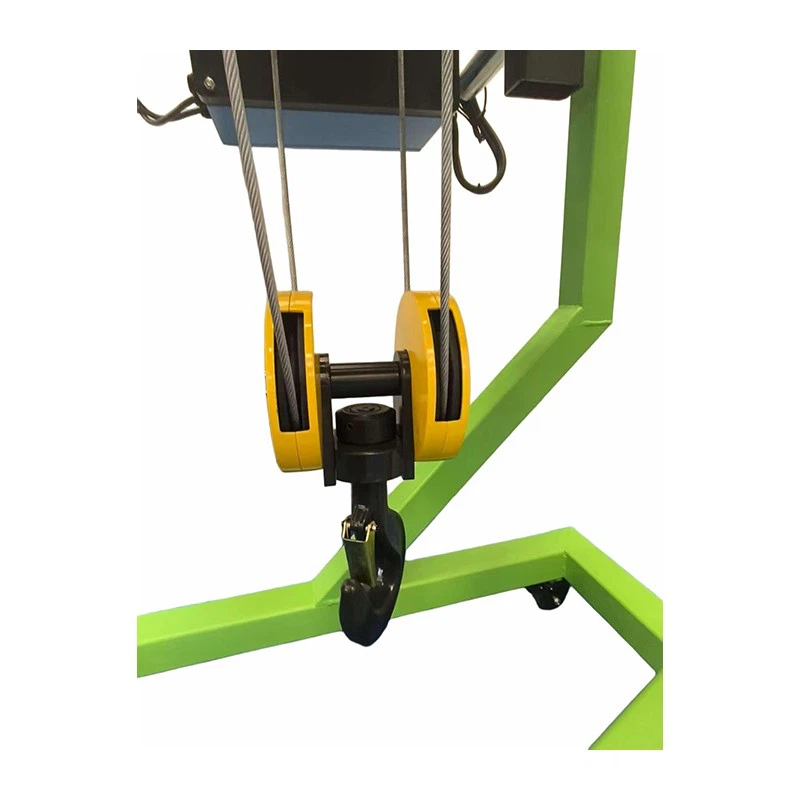
The first step in choosing the right steel wire rope is to understand the specific requirements of the application. Is it for lifting heavy loads, hoisting equipment, or pulling objects? For example, in a lifting application, the rope needs to have sufficient strength to support the weight of the load. If you are using a Lifting Hook to lift loads, the wire rope should be able to handle the dynamic forces during lifting and lowering.
In a hoisting application, the rope will be wrapped around a Hoisting Drum. Here, flexibility becomes an important factor as the rope needs to bend easily around the drum without kinking or breaking. Different applications also have different environmental conditions. If the rope is used in a corrosive environment, such as a chemical plant or a marine setting, it needs to be made of corrosion - resistant materials.
Load Capacity
Determining the load capacity is essential. You need to know the maximum weight that the wire rope will be expected to carry. This includes not only the static weight of the load but also any additional forces such as acceleration, deceleration, and shock loads. Overloading a wire rope can lead to premature failure, which can be extremely dangerous. As a general rule, it is recommended to select a wire rope with a safety factor of at least 5 to 10 times the expected load, depending on the application.
Rope Construction
The construction of the steel wire rope plays a significant role in its performance. There are different types of rope constructions, such as 6x19, 6x37, and 8x19. A 6x19 rope has 6 strands with 19 wires per strand. It is relatively stiff and has high strength, making it suitable for applications where high strength is required, such as in heavy - duty lifting. A 6x37 rope, on the other hand, has 6 strands with 37 wires per strand. It is more flexible than the 6x19 rope and is better suited for applications where the rope needs to bend around small - diameter sheaves or drums, like in some hoisting operations.
Sheave and Drum Diameter
The diameter of the sheaves and drums that the wire rope will run over is an important consideration. The rope should be compatible with the sheave and drum diameters. If the sheave or drum diameter is too small, the rope will experience excessive bending stress, which can lead to premature wear and failure. As a general guideline, the minimum sheave or drum diameter should be a certain multiple of the rope diameter. For example, for a 6x19 rope, the minimum sheave diameter is usually around 18 - 20 times the rope diameter, while for a 6x37 rope, it can be around 15 - 18 times the rope diameter.
Coating and Lubrication
Coating and lubrication can enhance the performance and lifespan of the steel wire rope. A coating can provide protection against corrosion, abrasion, and other environmental factors. For example, a galvanized coating is commonly used to protect the rope from rust in outdoor or marine applications. Lubrication reduces friction between the wires and strands, which helps to prevent wear and tear. It also improves the flexibility of the rope and reduces the risk of internal corrosion.
Case Studies
Let's look at a few case studies to illustrate the importance of choosing the right steel wire rope.
Case Study 1: Construction Site Lifting
In a construction site, a crane is used to lift heavy building materials. The contractor initially used a wire rope with a lower safety factor and an inappropriate construction for the application. The rope was constantly under stress, and after a few weeks of use, it started to show signs of wear and fatigue. The contractor then consulted with our team, and we recommended a 6x19 wire rope with a higher safety factor. The new rope was able to handle the heavy loads more effectively, and the risk of failure was significantly reduced.
Case Study 2: Marine Application
A fishing vessel was using a wire rope for towing nets. The rope was exposed to saltwater, which caused corrosion over time. The vessel owner replaced the old rope with a galvanized wire rope that was specifically designed for marine applications. The new rope had better corrosion resistance, and it lasted much longer than the previous one, reducing the maintenance cost and downtime of the vessel.
The Role of a Reliable Supplier
As a steel wire rope supplier, we play a crucial role in helping our customers choose the right rope for their applications. We have a team of experts who can provide technical advice and guidance based on our extensive knowledge and experience. We offer a wide range of steel wire ropes with different specifications, materials, and constructions to meet the diverse needs of our customers.
When you work with us, you can expect:
- Quality Assurance: We source our steel wire ropes from reputable manufacturers and conduct strict quality control checks to ensure that they meet the highest standards.
- Customization: We can customize the wire ropes according to your specific requirements, such as length, diameter, and coating.
- After - Sales Support: Our team is always available to provide after - sales support, including installation guidance, maintenance tips, and troubleshooting.
Conclusion
Choosing the right steel wire rope for a specific application is a critical decision that can have a significant impact on safety, efficiency, and cost. By considering factors such as application requirements, load capacity, rope construction, sheave and drum diameter, and coating and lubrication, you can make an informed choice. As a trusted steel wire rope supplier, we are committed to helping you find the perfect solution for your needs. If you are in the process of selecting a steel wire rope for your application, or if you have any questions or need further advice, please don't hesitate to contact us. We look forward to working with you to ensure the success of your projects.
References
- "Steel Wire Rope Handbook" by the Wire Rope Technical Board
- "Mechanical Engineering Design" by Joseph E. Shigley and Charles R. Mischke
- Industry standards and guidelines from relevant organizations such as the American Society of Mechanical Engineers (ASME)


