

A hand winch is a versatile and reliable tool used in various industries for lifting, pulling, and tensioning tasks. One of the critical aspects of using a hand winch effectively is adjusting its tension correctly. As a hand winch supplier, I understand the importance of this process and am here to share some expert tips on how to adjust the tension of a hand winch.
Understanding the Basics of a Hand Winch
Before delving into the tension adjustment process, it's essential to have a basic understanding of how a hand winch works. A hand winch typically consists of a drum around which a cable or rope is wound, a gear mechanism, and a handle for manual operation. When you turn the handle, the gear mechanism transfers the rotational force to the drum, causing it to wind or unwind the cable.
The tension in a hand winch refers to the amount of force applied to the cable or rope. Proper tension adjustment ensures that the winch operates smoothly, prevents the cable from slipping, and maximizes the winch's lifting or pulling capacity.
Tools Required for Tension Adjustment
To adjust the tension of a hand winch, you'll need a few basic tools:
- Wrenches: Depending on the type of hand winch, you may need a set of wrenches to loosen or tighten the adjustment nuts or bolts.
- Screwdrivers: Some hand winches have screws that need to be adjusted. A Phillips or flathead screwdriver may be required.
- Tension Gauge: A tension gauge is a useful tool for measuring the exact tension in the cable. It allows you to make precise adjustments and ensure that the tension is within the recommended range.
Step-by-Step Guide to Adjusting the Tension
Here's a step-by-step guide on how to adjust the tension of a hand winch:
Step 1: Safety First
Before starting any work on the hand winch, ensure that it is properly secured and that the load is stable. Wear appropriate safety gear, such as gloves and safety glasses, to protect yourself from any potential hazards.
Step 2: Locate the Tension Adjustment Mechanism
The location of the tension adjustment mechanism varies depending on the type of hand winch. In most cases, it is located near the drum or the gearbox. Refer to the manufacturer's manual for specific instructions on where to find the adjustment mechanism for your hand winch.
Step 3: Loosen the Locking Nuts or Bolts
Using the appropriate wrenches, loosen the locking nuts or bolts that secure the tension adjustment mechanism. This will allow you to make the necessary adjustments.
Step 4: Adjust the Tension
There are two main methods for adjusting the tension of a hand winch:
- Using a Tension Gauge: If you have a tension gauge, attach it to the cable at a point near the drum. Slowly turn the handle of the winch to apply tension to the cable. Use the tension gauge to monitor the tension and adjust the tension adjustment mechanism accordingly. Turn the adjustment nut or bolt clockwise to increase the tension and counterclockwise to decrease the tension.
- By Feel: If you don't have a tension gauge, you can adjust the tension by feel. Start by turning the handle of the winch to apply some tension to the cable. Then, try to pull the cable slightly. If the cable is too loose, it will slip easily. If the cable is too tight, it will be difficult to turn the handle. Adjust the tension adjustment mechanism until you find the right balance.
Step 5: Check the Tension
Once you have made the initial adjustment, check the tension again using the tension gauge or by feel. Make any additional adjustments as needed to ensure that the tension is within the recommended range.
Step 6: Tighten the Locking Nuts or Bolts
After you have adjusted the tension to the desired level, tighten the locking nuts or bolts to secure the tension adjustment mechanism. This will prevent the tension from changing during operation.
Step 7: Test the Winch
Before using the hand winch for a heavy load, test it with a light load to ensure that the tension adjustment is correct. Slowly turn the handle of the winch to lift or pull the load. Check that the cable winds and unwinds smoothly and that there are no signs of slipping or excessive resistance.
Tips for Maintaining Proper Tension
Here are some tips for maintaining proper tension in your hand winch:
- Regular Inspection: Inspect the hand winch regularly for any signs of wear or damage. Check the cable for fraying, kinks, or other defects. Replace the cable if necessary.
- Lubrication: Keep the hand winch properly lubricated to ensure smooth operation. Refer to the manufacturer's manual for specific lubrication instructions.
- Proper Storage: When not in use, store the hand winch in a dry, clean place. Protect it from moisture, dirt, and other contaminants that can cause damage.
- Follow the Manufacturer's Instructions: Always follow the manufacturer's instructions for operating and maintaining the hand winch. This will ensure that the winch operates safely and efficiently.
Conclusion
Adjusting the tension of a hand winch is a crucial step in ensuring its proper operation. By following the steps outlined in this guide and using the right tools, you can easily adjust the tension of your hand winch and keep it in optimal condition.
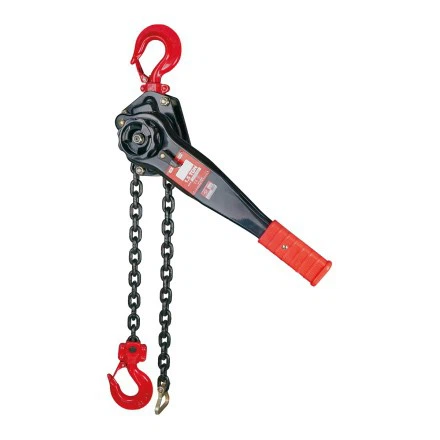
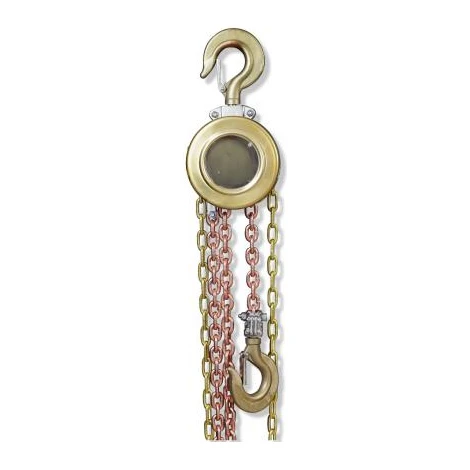
If you're in the market for a high-quality hand winch or need more information on tension adjustment or any other aspect of hand winches, we're here to help. As a leading Hand Winch supplier, we offer a wide range of hand winches, Hand Lever Hoist, and Hand Chain Hoist to meet your specific needs. Our products are made from high-quality materials and are designed to provide reliable performance.
Contact us today to discuss your requirements and explore our product range. We look forward to assisting you with your hand winch needs.
References
- Manufacturer's manuals for hand winches
- Industry standards and best practices for hand winch operation and maintenance


