

Hey there, fellow DIY enthusiasts and professionals! As a supplier of top - notch manual tools, I've seen firsthand how a well - adjusted manual vise can make all the difference in your work. Whether you're a woodworker, a metalworker, or just someone who loves to tinker around with projects at home, getting your vise in tip - top shape is crucial. So, let's dive right into how to adjust a manual vise.
Understanding Your Manual Vise
Before we start adjusting, it's important to know the basic parts of a manual vise. You've got the fixed jaw, which stays in place, and the movable jaw, which slides back and forth. There's also the screw mechanism that controls the movement of the movable jaw. The base of the vise is what you'll use to mount it to your workbench.
Step 1: Mounting the Vise
The first step in getting your vise ready for action is to mount it properly. Make sure you choose a sturdy workbench or surface. You don't want your vise wobbling around while you're working. Use the appropriate screws or bolts to secure the vise to the bench. Tighten them up well, but don't over - do it, or you might crack the bench.

Step 2: Checking the Alignment
Once the vise is mounted, it's time to check the alignment of the jaws. The jaws should be parallel to each other when fully closed. You can use a straightedge to check this. Place the straightedge across the jaws and see if there are any gaps. If there are, you'll need to adjust the vise.
To adjust the alignment, you may need to loosen the bolts that hold the movable jaw's guide bars. Then, gently tap the movable jaw into the correct position using a mallet. Make small adjustments and keep checking with the straightedge until the jaws are perfectly parallel. After that, tighten the bolts back up.
Step 3: Adjusting the Screw Tension
The screw that moves the movable jaw needs to have the right amount of tension. If it's too loose, the jaw won't hold your workpiece firmly. If it's too tight, it'll be difficult to turn the handle.
To adjust the screw tension, you'll usually find a nut at the end of the screw. Loosen this nut a bit if the screw is too tight. If it's too loose, tighten the nut. But be careful not to overtighten, as this can damage the screw or the threads. You can test the tension by turning the handle. It should turn smoothly but still provide enough resistance to hold the jaw in place.
Step 4: Lubricating the Vise
Lubrication is key to keeping your vise working smoothly. Over time, dirt and debris can build up in the screw and the guide bars, causing the vise to become stiff. Use a good quality lubricant, like a light machine oil or a dry lubricant.
Apply the lubricant to the screw and the guide bars. You can use a brush or a small dropper to get the oil into all the nooks and crannies. Then, work the vise back and forth a few times to spread the lubricant evenly. This will help reduce friction and make the vise easier to operate.
Step 5: Checking the Jaw Faces
The jaw faces are what come into contact with your workpiece. They need to be clean and flat. If they're damaged or uneven, they won't hold your workpiece properly.
Inspect the jaw faces for any signs of wear or damage. If you find any nicks or scratches, you can use a file to smooth them out. Make sure to file in the same direction as the jaw teeth to maintain their shape. You can also use a sandpaper to give the jaw faces a final polish.
Additional Tips for Vise Maintenance
- Keep it clean: Regularly clean your vise to prevent dirt and debris from building up. You can use a brush to remove any loose particles, and then wipe it down with a clean cloth.
- Store it properly: When not in use, keep your vise in a dry place. Moisture can cause rust, which will damage the vise over time. You can also apply a light coat of oil to the vise to protect it from rust.
Other Manual Tools You Might Need
As a manual tools supplier, I know that a vise is just one of the many tools you might need for your projects. Here are some other great manual tools that can come in handy:
- Hand Winch: A hand winch is perfect for pulling or lifting heavy objects. It's easy to use and can be a real lifesaver in many situations.
- Hand Chain Hoist: If you need to lift heavy loads vertically, a hand chain hoist is a great choice. It's strong and reliable.
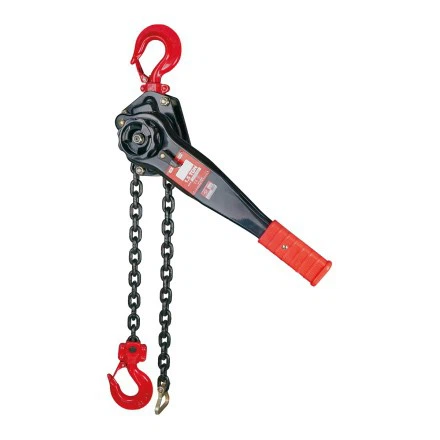
- Hand Lever Hoist: Hand lever hoists are ideal for precise lifting and pulling tasks. They're compact and easy to operate.
Conclusion
Adjusting a manual vise is not as complicated as it might seem. By following these steps and doing some regular maintenance, you can keep your vise in great working condition for years to come. Whether you're a professional tradesperson or a hobbyist, a well - adjusted vise will make your work easier and more enjoyable.
If you're interested in purchasing high - quality manual tools, including vises, hand winches, hand chain hoists, and hand lever hoists, feel free to get in touch. We're here to help you find the right tools for your needs and offer the best advice on tool maintenance.
References
- "Manual Tool Maintenance Guide" - A comprehensive guide on maintaining various manual tools.
- "Vise Adjustment Techniques" - An online article that provides in - depth information on vise adjustment.


