

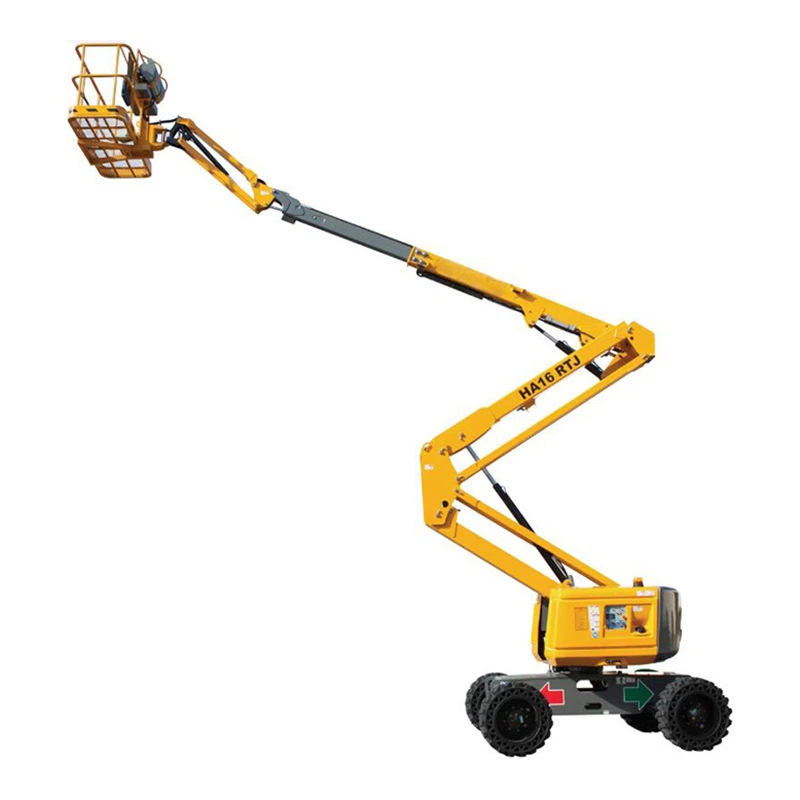
Weather is a powerful and ever - changing force that can significantly impact various aspects of our daily lives, including the operation and performance of heavy equipment. As a supplier of Articulated Boom Lifts, I've witnessed firsthand how different weather conditions can pose unique challenges and opportunities for these versatile machines. In this blog, we'll explore in detail how weather affects the performance of an Articulated Boom Lift and what operators and owners need to know to ensure safe and efficient use.
Sunny and Dry Conditions
Sunny and dry weather is often considered the ideal condition for operating an Articulated Boom Lift. Under these circumstances, visibility is excellent, and operators can clearly see their work area, the controls, and any potential hazards. The dry ground provides good traction for the lift's wheels or tracks, reducing the risk of slippage during movement.
The mechanical components of the boom lift also benefit from dry conditions. Moisture can cause rust and corrosion, which can weaken the structural integrity of the lift over time. In dry weather, the hydraulic systems, cables, and joints are less likely to experience water - related damage, ensuring smooth and reliable operation.
However, extreme heat can also present challenges. High temperatures can cause the hydraulic fluid in the boom lift to overheat, leading to reduced performance and potential damage to the hydraulic components. Operators should monitor the temperature of the hydraulic fluid regularly and take appropriate measures, such as allowing the equipment to cool down during breaks, to prevent overheating.
Rainy and Wet Conditions
Rain and wet weather can have a significant impact on the performance of an Articulated Boom Lift. One of the most immediate concerns is reduced traction. The wet ground can make it difficult for the lift to move safely, increasing the risk of skidding and tipping over. Operators need to exercise extreme caution when driving the boom lift on wet surfaces, reducing speed and avoiding sudden maneuvers.
Moisture can also affect the electrical components of the lift. Water can cause short - circuits, which can lead to malfunctions or even complete failure of the electrical systems. Before operating the boom lift in wet conditions, operators should thoroughly inspect the electrical connections and ensure that they are properly sealed and protected.
In addition, rain can reduce visibility, making it harder for operators to see their surroundings and potential hazards. It's essential to use appropriate lighting and reflective markings on the lift to improve visibility in low - light and wet conditions.
Snowy and Icy Conditions
Snow and ice present some of the most challenging weather conditions for operating an Articulated Boom Lift. The cold temperatures can cause the hydraulic fluid to thicken, making it more difficult for the hydraulic systems to function properly. This can result in slower movement of the boom and reduced lifting capacity.
Similar to wet conditions, snow and ice can significantly reduce traction. The lift's wheels or tracks can easily slip on icy surfaces, increasing the risk of accidents. Operators may need to use special traction devices, such as snow chains, to improve grip on the ground.
Cold weather can also affect the battery life of the boom lift. Batteries tend to lose their charge more quickly in cold temperatures, so it's important to keep the batteries fully charged and insulated to ensure reliable operation.
Windy Conditions
Wind is another critical weather factor that can impact the performance of an Articulated Boom Lift. Strong winds can create instability, especially when the boom is extended to its maximum height. The wind can exert a significant force on the boom, increasing the risk of the lift tipping over.
Most Articulated Boom Lifts have a maximum wind speed rating, beyond which it is unsafe to operate the equipment. Operators should always check the wind speed before starting work and avoid using the lift if the wind speed exceeds the recommended limit.
In addition, wind can also affect the accuracy of the boom's positioning. The wind can push the boom off - course, making it difficult for operators to reach the desired work area precisely. Operators may need to make adjustments to compensate for the wind, which can slow down the work process.
Mitigating the Effects of Weather
To ensure the safe and efficient operation of an Articulated Boom Lift in different weather conditions, operators and owners can take several steps.
Regular maintenance is crucial. This includes checking and servicing the hydraulic systems, electrical components, and structural parts of the lift. By keeping the equipment in good condition, it is better able to withstand the challenges posed by different weather conditions.
Training is also essential. Operators should receive comprehensive training on how to operate the boom lift safely in various weather conditions. This includes understanding the limitations of the equipment, recognizing potential hazards, and knowing how to respond to weather - related emergencies.
Investing in protective equipment can also help mitigate the effects of weather. For example, covers can be used to protect the boom lift from rain, snow, and sunlight when it is not in use. Specialized traction devices can be installed to improve grip on wet or icy surfaces.
Impact on Productivity
Weather conditions can have a direct impact on the productivity of using an Articulated Boom Lift. In ideal weather conditions, operators can work efficiently, completing tasks in a timely manner. However, adverse weather conditions can slow down the work process, increasing the time required to complete a job.
For example, in rainy or windy conditions, operators may need to take extra precautions, such as reducing speed and making frequent adjustments, which can significantly reduce the amount of work that can be done in a given period. This can lead to delays in project schedules and increased costs for the contractors.
Comparison with Other Lifting Equipment
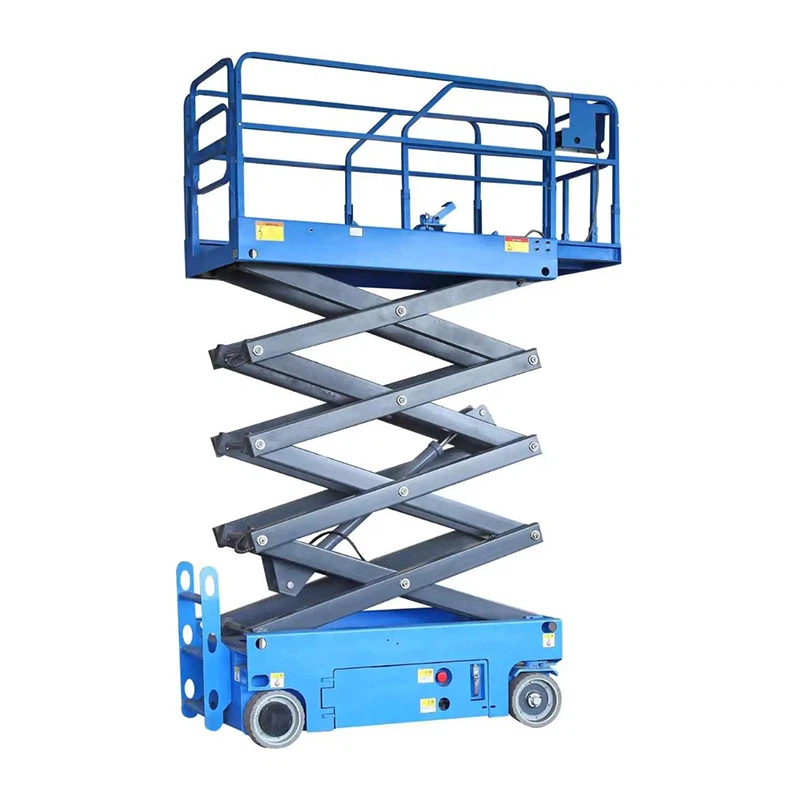
When considering the impact of weather on lifting equipment, it's interesting to compare the Articulated Boom Lift with other types of lifts, such as Scissor Lifts and Manual Hydraulic Platform Trucks.
Scissor Lifts are generally more stable than Articulated Boom Lifts, especially in windy conditions. Their design provides a lower center of gravity, making them less likely to tip over. However, they have a more limited range of motion compared to Articulated Boom Lifts, which can be a disadvantage in some applications.
Manual Hydraulic Platform Trucks are typically used for lighter loads and shorter distances. They are less affected by weather conditions compared to larger lifting equipment, but they also have limited lifting capacity and height.
Conclusion
As a supplier of Articulated Boom Lifts, I understand the importance of considering weather conditions when using this equipment. Different weather conditions can pose unique challenges and opportunities, and it's crucial for operators and owners to be aware of these factors to ensure safe and efficient operation.
By taking appropriate precautions, such as regular maintenance, proper training, and investing in protective equipment, the negative effects of weather on the performance of an Articulated Boom Lift can be minimized. Whether you're working in sunny, rainy, snowy, or windy conditions, being prepared and informed is the key to success.
If you're in the market for an Articulated Boom Lift or have any questions about how weather can affect its performance, please don't hesitate to contact us. We're here to provide you with the best solutions for your lifting needs and help you make the most of your equipment in any weather condition.
References
- Manufacturer's manuals for Articulated Boom Lifts
- Industry standards and guidelines for operating lifting equipment in different weather conditions
- Research studies on the impact of weather on heavy equipment performance


