

Silent - operation freight elevators have become an essential part of modern industrial and commercial settings. As a freight elevator supplier, I am often asked about how these remarkable machines work. In this blog, I will delve into the inner workings of silent - operation freight elevators, shedding light on their mechanisms, components, and the technology that enables them to operate quietly while efficiently transporting heavy loads.
Basic Principles of Freight Elevators
Before we focus on the silent - operation aspect, it's important to understand the fundamental principles of freight elevators. A freight elevator is designed to move goods, equipment, and materials between different floors of a building. Unlike passenger elevators, which prioritize comfort and aesthetics for human riders, freight elevators are built with durability, load - capacity, and functionality in mind.
The primary function of a freight elevator is to lift and lower a platform or car within a shaft. This movement is achieved through a combination of mechanical, electrical, and hydraulic systems. The basic components of a freight elevator include the car, counterweight, hoistway, control system, and the drive mechanism.
Drive Mechanisms
There are several types of drive mechanisms used in freight elevators, each with its own advantages and characteristics. The most common ones are hydraulic and traction drives.
Hydraulic Drives
Hydraulic freight elevators use a hydraulic system to move the elevator car. The system consists of a hydraulic cylinder, a piston, and a reservoir of hydraulic fluid. When the elevator needs to move upwards, a pump forces hydraulic fluid into the cylinder, pushing the piston up and raising the elevator car. To move downwards, the fluid is released from the cylinder back into the reservoir under the force of gravity.
One of the key features of hydraulic drives is their ability to provide smooth and powerful lifting. They are well - suited for low - to mid - rise buildings and can handle heavy loads. However, traditional hydraulic systems can be noisy due to the operation of the pump and the flow of hydraulic fluid. In silent - operation freight elevators, advanced hydraulic systems are used. These systems incorporate noise - reducing components such as mufflers on the pump and vibration - dampening materials around the hydraulic lines. This helps to minimize the noise generated during the operation of the elevator.
Traction Drives
Traction freight elevators use a system of ropes or belts and a motor - driven sheave to move the elevator car. The ropes or belts are attached to the car and a counterweight. As the motor turns the sheave, the ropes or belts move, causing the car to rise or fall. The counterweight helps to balance the load of the car, reducing the amount of energy required to move it.
Traction drives are known for their high - speed operation and energy efficiency. They are commonly used in high - rise buildings. In silent - operation traction elevators, the motor and the sheave are designed to operate quietly. Specialized bearings and lubricants are used to reduce friction and noise. Additionally, the elevator's control system is programmed to optimize the acceleration and deceleration of the car, further reducing noise and vibration.
Control Systems
The control system of a silent - operation freight elevator plays a crucial role in ensuring smooth and quiet operation. Modern control systems are based on advanced microprocessors and sensors.
The sensors in the elevator detect the position of the car, the weight of the load, and other important parameters. The microprocessor uses this information to control the speed, direction, and acceleration of the elevator. For example, if the load is light, the elevator can be programmed to move at a slightly higher speed, while still maintaining a quiet operation.
The control system also includes safety features such as emergency stop buttons, overload protection, and door interlocks. These safety features are designed to prevent accidents and ensure the reliable operation of the elevator.
Noise - Reduction Technologies
In addition to the design of the drive mechanism and control system, there are several other noise - reduction technologies used in silent - operation freight elevators.
Sound - Insulating Materials
The elevator car and the hoistway are lined with sound - insulating materials. These materials absorb and dampen the noise generated by the moving components of the elevator. For example, the walls of the car may be lined with acoustic panels, and the ceiling may have a sound - absorbing layer. In the hoistway, insulation materials are used to prevent the noise from escaping into the building.
Vibration Isolation
Vibration is a major source of noise in elevators. To reduce vibration, silent - operation freight elevators use vibration - isolation mounts. These mounts are placed between the elevator components and the building structure. They absorb the vibrations generated by the moving parts of the elevator, preventing them from being transmitted to the building.
Benefits of Silent - Operation Freight Elevators
Silent - operation freight elevators offer several benefits to building owners and users.
Reduced Noise Pollution
In commercial and industrial settings, noise can be a major distraction and can affect the productivity and well - being of employees. Silent - operation freight elevators help to reduce noise pollution, creating a more comfortable and quiet working environment.
Improved Building Acoustics
By minimizing the noise generated by the elevator, these elevators contribute to the overall acoustic quality of the building. This is especially important in buildings where noise control is a critical factor, such as hospitals, libraries, and office buildings.
Enhanced User Experience
Even though freight elevators are mainly used for transporting goods, a quiet operation can still enhance the user experience. Workers who operate the elevator or are in the vicinity of it will appreciate the lack of noise and the smooth operation.
Related Equipment
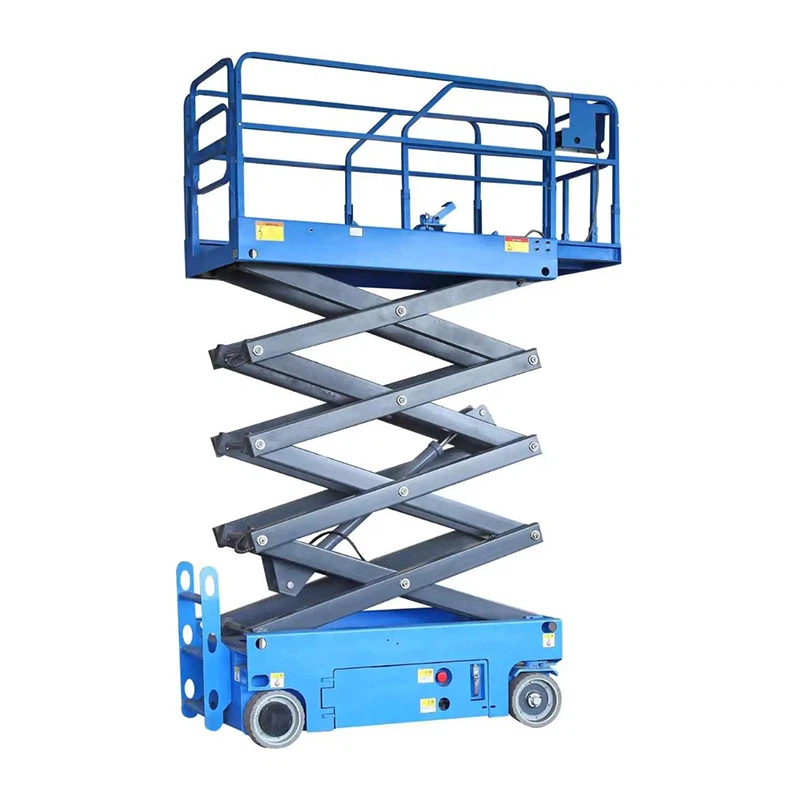
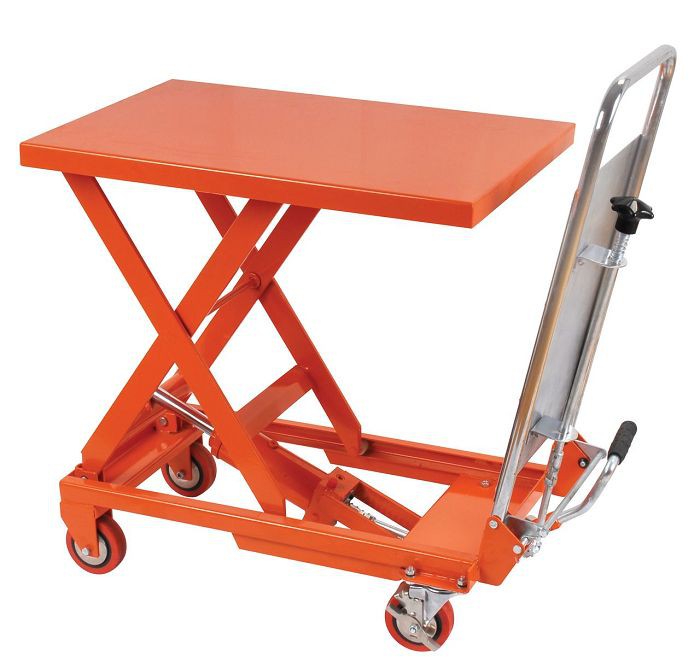
If you are interested in other lifting and handling equipment, we also offer a wide range of products. For example, the Scissor Lift is a versatile piece of equipment that can be used for various tasks such as maintenance, installation, and material handling. Our Freight Elevator is designed to meet the highest standards of quality and performance. And the Manual Hydraulic Platform Truck is a cost - effective solution for moving heavy loads within a short distance.
Conclusion
Silent - operation freight elevators are a result of advanced engineering and technology. By combining innovative drive mechanisms, sophisticated control systems, and noise - reduction technologies, these elevators are able to operate quietly while efficiently transporting heavy loads. As a freight elevator supplier, we are committed to providing high - quality silent - operation freight elevators that meet the diverse needs of our customers.
If you are in the market for a freight elevator or have any questions about our products, we encourage you to contact us for a consultation. Our team of experts will be happy to assist you in finding the right elevator solution for your specific requirements.
References
- Elevator Handbook, Edited by Andreas Hess.
- Principles of Elevator Design and Installation, By John Smith.


