

Can I use a manual tool in an explosive environment?
Hey there! As a supplier of manual tools, I get this question a lot. And it's a super important one, especially when safety's on the line. So, let's dig into whether you can use manual tools in an explosive environment.
First off, what's an explosive environment? It's basically a place where there's a risk of an explosion due to the presence of flammable gases, vapors, dust, or fibers. Think of places like oil refineries, chemical plants, grain silos, and coal mines. In these areas, even a small spark can set off a big bang, and that's where we need to be extra careful with the tools we use.
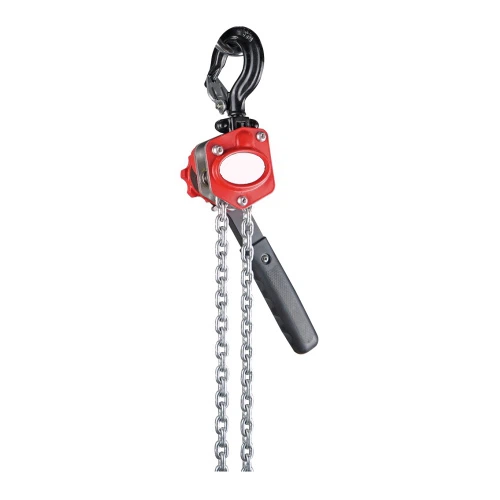
Now, let's talk about manual tools. Manual tools are those that you operate by hand, without the need for electricity, hydraulics, or pneumatics. Some common examples of manual tools we supply include Hand Chain Hoist, Hand Lever Hoist, and Hand Winch. These tools are handy for all sorts of tasks, like lifting heavy loads, pulling objects, and adjusting tension.
But can you use them in an explosive environment? Well, it depends. The main concern with using manual tools in such an environment is the potential for generating sparks. Sparks can be created when two hard surfaces rub against each other, like when a metal tool hits a metal object. And in an explosive environment, these sparks can ignite the flammable substances present, leading to an explosion.
However, not all manual tools are created equal when it comes to spark generation. Some tools are made from materials that are less likely to produce sparks. For example, tools made from non - ferrous metals like brass, bronze, and aluminum bronze are often used in explosive environments. These materials have a lower risk of sparking compared to steel or iron tools.
So, if you're using a manual tool made from non - sparking materials, you might be able to use it in an explosive environment. But you still need to follow some safety precautions.
One of the most important things is to make sure the tool is properly maintained. A worn - out or damaged tool is more likely to generate sparks. So, regularly inspect your tools for any signs of wear and tear, and replace them if necessary. Also, keep the tools clean and lubricated to reduce friction, which can also lead to sparking.
Another key safety measure is to use the tool correctly. Don't use the tool for tasks it's not designed for, and follow the manufacturer's instructions. For example, if a hand winch is designed to lift a certain maximum weight, don't try to lift more than that. Overloading the tool can cause it to malfunction and potentially generate sparks.
It's also a good idea to have a risk assessment done before using any manual tool in an explosive environment. A professional can evaluate the specific conditions of the environment, including the type and concentration of flammable substances present, and determine whether it's safe to use the tool.
Now, let's talk about the certification. In many countries, there are standards and regulations for using tools in explosive environments. Tools that are approved for use in these environments usually have a certification. This certification indicates that the tool has been tested and meets the safety requirements for use in explosive atmospheres. When you're buying manual tools for an explosive environment, look for tools with the appropriate certification.
As a manual tool supplier, we understand the importance of safety in explosive environments. That's why we offer a range of non - sparking manual tools that are suitable for use in these areas. Our tools are made from high - quality non - ferrous materials and are designed to meet the relevant safety standards.
If you're in an industry where you need to work in explosive environments and are looking for reliable manual tools, we're here to help. We can provide you with the right tools for your specific needs and offer advice on how to use them safely.
Whether you need a hand chain hoist for lifting heavy equipment in an oil refinery or a hand winch for pulling cables in a chemical plant, we've got you covered. Our team of experts can assist you in choosing the best tool for your job and can also provide training on proper tool use and maintenance.

So, if you're interested in purchasing manual tools for explosive environments or have any questions about our products, don't hesitate to reach out. We're always happy to have a chat and help you find the right solutions for your business.
In conclusion, it is possible to use manual tools in an explosive environment, but it requires careful consideration. You need to choose the right tools made from non - sparking materials, maintain them properly, use them correctly, and follow all the safety regulations. With the right approach, you can safely use manual tools to get the job done in even the most hazardous environments.
References
- "Safety in Explosive Atmospheres" - International Electrotechnical Commission (IEC)
- "Guide to Using Tools in Hazardous Environments" - Occupational Safety and Health Administration (OSHA)


