

In the modern industrial landscape, the question of whether an Electric Flat Car can be used in a chemical - polluted environment is of significant importance. As a supplier of Electric Flat Cars, I have encountered numerous inquiries from clients working in chemical - laden settings. This blog aims to delve into this issue, exploring the feasibility, challenges, and solutions related to using Electric Flat Cars in such environments.
Understanding the Chemical - Polluted Environment
Chemical - polluted environments are characterized by the presence of various hazardous substances. These can range from corrosive acids and alkalis to flammable and explosive chemicals. The level of pollution can vary widely, from mild contamination in some laboratories to severe pollution in chemical manufacturing plants and waste treatment facilities.
The impact of these chemicals on equipment is multi - faceted. Corrosive substances can eat away at the metal components of an Electric Flat Car, weakening its structural integrity over time. Flammable chemicals pose a significant fire and explosion risk, especially if there are electrical sparks or overheating issues. Additionally, some chemicals can react with lubricants and insulating materials, leading to reduced performance and potential malfunctions.
Feasibility of Using Electric Flat Cars in Chemical - Polluted Environments
Despite the challenges, it is indeed possible to use Electric Flat Cars in chemical - polluted environments. With the right design and protective measures, these cars can operate safely and efficiently.
One of the key factors in determining feasibility is the type of chemicals present. For less corrosive and non - flammable chemicals, standard Electric Flat Cars can be modified to withstand the environment. For example, in a laboratory where mild acids are used, a flat car with a protective coating on its metal parts can prevent corrosion.
However, in more extreme environments with highly corrosive or flammable chemicals, specialized Electric Flat Cars are required. These cars are designed with materials that are resistant to chemical attack and have enhanced safety features to prevent ignition sources.
Challenges Faced
There are several challenges associated with using Electric Flat Cars in chemical - polluted environments.
Corrosion
Corrosion is perhaps the most obvious challenge. The metal frames, axles, and other components of the flat car are at risk of being corroded by chemicals. This can lead to structural failure, affecting the stability and safety of the vehicle. For instance, if the axles corrode, the flat car may derail, causing damage to the load and potentially endangering workers.
Electrical Safety
Electrical systems in Electric Flat Cars are vulnerable to chemical damage. Chemicals can seep into electrical enclosures, short - circuiting the wiring and causing electrical failures. Moreover, in environments with flammable chemicals, any electrical spark can trigger an explosion. Ensuring proper insulation and grounding of electrical components is crucial to prevent such incidents.
Maintenance
Maintaining Electric Flat Cars in chemical - polluted environments is more challenging than in normal settings. Regular inspections are required to detect signs of corrosion and electrical problems early. Cleaning the car to remove chemical residues is also essential, but this must be done carefully to avoid further damage.
Solutions and Protective Measures
To overcome the challenges, several solutions and protective measures can be implemented.
Material Selection
Using corrosion - resistant materials is a fundamental step. Stainless steel is a popular choice for components that are likely to come into contact with chemicals. It has excellent resistance to a wide range of corrosive substances. Additionally, non - metallic materials such as fiberglass and plastic can be used for certain parts, as they are generally more resistant to chemical attack.
Protective Coatings
Applying protective coatings to the metal surfaces of the Electric Flat Car can provide an additional layer of defense against corrosion. Epoxy coatings, for example, are highly resistant to chemicals and can form a durable barrier between the metal and the surrounding environment.
Sealed Electrical Systems
To ensure electrical safety, the electrical systems of the flat car should be sealed. This prevents chemicals from entering the enclosures and protects the wiring from damage. Specialized seals and gaskets can be used to create a tight seal around electrical components.
Explosion - Proof Design
In environments with flammable chemicals, explosion - proof Electric Flat Cars are necessary. These cars are designed with features such as explosion - proof motors, switches, and electrical connections. They are also equipped with ventilation systems to prevent the accumulation of flammable gases.
Case Studies
Let's take a look at some real - world examples of Electric Flat Cars being used in chemical - polluted environments.

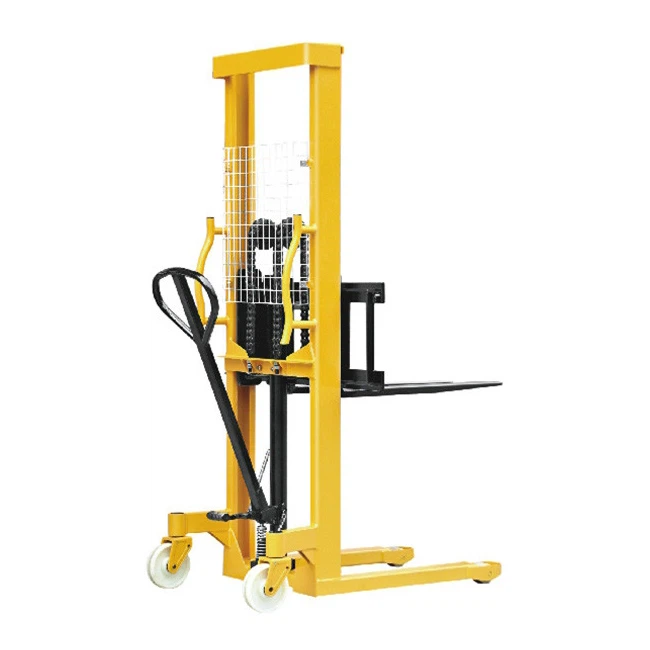
In a chemical manufacturing plant, a company was using Electric Flat Cars to transport raw materials and finished products. Initially, they faced issues with corrosion on the flat cars due to the presence of strong acids in the environment. After consulting with us, we recommended a flat car with a stainless - steel frame and an epoxy coating. The company also installed a regular cleaning and maintenance schedule. As a result, the flat cars have been operating smoothly for several years, with minimal corrosion and no major breakdowns.
Another case is a waste treatment facility. Here, the environment is filled with various chemicals and potentially flammable gases. We provided an explosion - proof Electric Flat Car with sealed electrical systems. This flat car has been able to safely transport waste containers within the facility, reducing the risk of accidents and improving overall efficiency.
Comparison with Other Equipment
When considering material handling in chemical - polluted environments, it's also important to compare Electric Flat Cars with other equipment such as Manual Hydraulic Pallet Truck and Manual Stacker Trucks.
Manual Hydraulic Pallet Trucks are simple and cost - effective for light - duty material handling. However, they have limited load - carrying capacity and are not suitable for long - distance transportation. In a chemical - polluted environment, their hydraulic components may be at risk of corrosion, affecting their performance.
Manual Stacker Trucks are useful for stacking pallets, but they also have similar limitations in terms of load capacity and distance. Their mechanical parts may be vulnerable to chemical damage, and they lack the automation and efficiency of Electric Flat Cars.
Electric Flat Cars, on the other hand, offer a high load - carrying capacity and can be customized for long - distance transportation. With the right protective measures, they can operate safely in chemical - polluted environments, making them a more suitable choice for many industrial applications.
Conclusion
In conclusion, while there are challenges associated with using Electric Flat Cars in chemical - polluted environments, it is entirely feasible with the right design and protective measures. By selecting the appropriate materials, applying protective coatings, and ensuring electrical safety, Electric Flat Cars can provide a reliable and efficient solution for material handling in such settings.
If you are in need of an Electric Flat Car for your chemical - polluted environment, click here to learn more about our Electric Flat Cars. We are committed to providing high - quality, customized solutions to meet your specific needs. Contact us today to start a discussion about your requirements and explore how our Electric Flat Cars can enhance your operations.
References
- Smith, J. (2018). "Material Selection for Chemical - Resistant Equipment". Industrial Materials Journal, 25(3), 45 - 52.
- Johnson, M. (2019). "Safety Considerations for Electrical Equipment in Flammable Environments". Electrical Safety Review, 32(2), 67 - 74.
- Brown, A. (2020). "Maintenance Strategies for Equipment in Chemical - Polluted Environments". Maintenance Management Magazine, 18(4), 33 - 40.


