

Hey there! As a supplier of Freight Elevator, I often get asked if a freight elevator can be installed outdoors. Well, the short answer is yes, but there are a bunch of things to consider before making that decision. In this blog post, I'll break down the ins and outs of outdoor freight elevator installation, so you can figure out if it's the right move for your business.
Advantages of Outdoor Freight Elevator Installation
First off, let's talk about why you might want to install a freight elevator outdoors in the first place. One major benefit is space. If your indoor area is limited, putting the elevator outside can free up valuable floor space inside your building. This can be a game - changer for warehouses or factories where every square foot counts.
Another plus is flexibility. An outdoor freight elevator can be easily accessed from different areas, like loading docks or delivery trucks. It can streamline your logistics operations, making it quicker and easier to move goods in and out of your facility.
Challenges of Outdoor Freight Elevator Installation
However, it's not all sunshine and rainbows. There are some significant challenges that come with outdoor installation. One of the biggest issues is weather. Rain, snow, extreme heat, and cold can all take a toll on the elevator components. For example, moisture can cause rust and corrosion, which will not only damage the elevator but also pose a safety risk over time.
UV rays from the sun can also be a problem. They can fade and degrade the elevator's exterior finish and even affect the performance of some of the electrical components. And if you live in an area with strong winds or storms, the elevator needs to be built to withstand these forces to prevent damage and ensure safe operation.
Technical Considerations
When it comes to the technical side, the foundation for an outdoor freight elevator needs to be extra sturdy. Unlike indoor installations, outdoor elevators are exposed to the elements and ground movement. The foundation must be designed to handle the weight of the elevator, the load it carries, and any environmental factors like soil erosion or freezing - thawing cycles.
The electrical system also needs special attention. It should be protected from moisture and other environmental hazards. You might need to use waterproof enclosures and corrosion - resistant wiring to ensure the system works properly and safely.
Maintenance Requirements
Maintenance is a crucial aspect of outdoor freight elevators. Since they're exposed to the elements, they'll need more frequent check - ups and maintenance compared to indoor elevators. Regular inspections for rust, wear and tear, and proper functioning of all components are a must. Lubrication of moving parts should also be done more often to prevent corrosion and ensure smooth operation.

Cost Factors
Cost is always a consideration. Outdoor freight elevator installation can be more expensive than indoor installation. You'll have to pay for additional weather - proofing measures, a more robust foundation, and potentially more complex electrical work. Plus, the ongoing maintenance costs will be higher due to the harsher operating environment.
Safety Precautions
Safety is non - negotiable, especially when it comes to outdoor freight elevators. You need to install proper safety features like emergency stop buttons, overload protection, and safety gates. The elevator should also be clearly marked with warning signs to prevent accidents.
Alternatives to Outdoor Freight Elevators
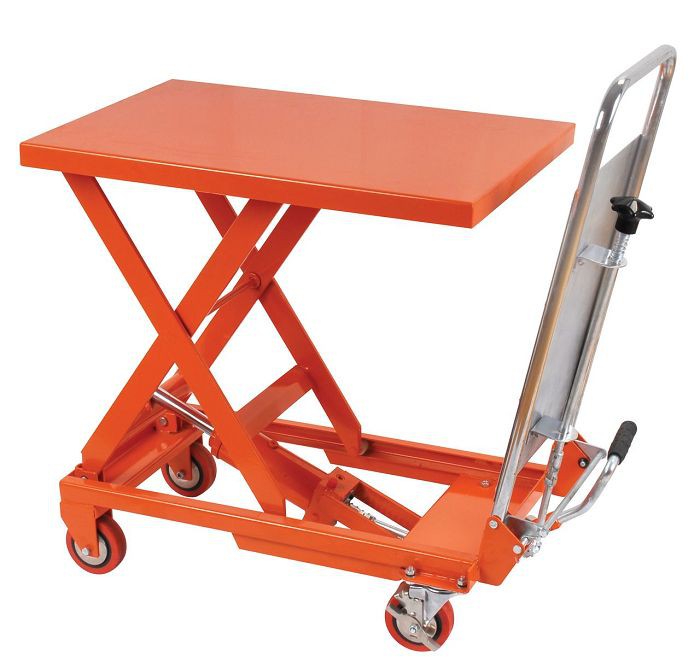
If you're still not sure if an outdoor freight elevator is right for you, there are some alternatives. For example, Manual Hydraulic Platform Truck can be a good option for moving smaller loads. They're more flexible and can be used in various areas of your facility. Another alternative is the Scissor Lift, which can be used for vertical lifting in a more controlled environment.
Making the Decision
So, how do you decide if an outdoor freight elevator is the right choice? First, assess your needs. Consider the amount of goods you need to move, the available space, and your budget. If you have a large volume of goods to transport and limited indoor space, an outdoor elevator might be worth the investment.
Next, evaluate your location. If you live in an area with mild weather, the challenges of outdoor installation might be more manageable. But if you're in an area with extreme weather conditions, you'll need to factor in the additional costs and maintenance requirements.
Contact Us for More Information
If you're still on the fence or have more questions about outdoor freight elevator installation, don't hesitate to reach out. As a trusted freight elevator supplier, we have the expertise to help you make the right decision. Whether it's providing more detailed information about our products, answering your technical questions, or offering a customized solution for your business, we're here to assist.
We understand that every business is unique, and we're committed to finding the best freight elevator solution for you. So, if you're thinking about investing in a freight elevator, let's have a chat. Contact us today to start the conversation about how we can meet your lifting needs.
References
- International Building Code (IBC) for elevator installation standards
- American Society of Mechanical Engineers (ASME) safety codes for elevators


